

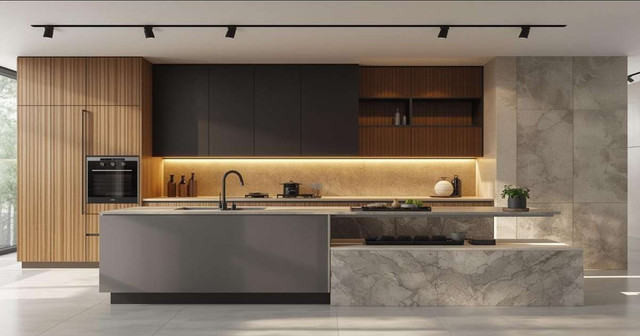
A modular kitchen has become one of the most sought-after features in contemporary homes. With changing lifestyles, homeowners are looking for spaces that combine style, efficiency, and convenience. Traditional kitchens, while functional, often lack the flexibility and organization that modern families require. This is where modular solutions stand out by offering customizable storage, sleek aesthetics, and smart space utilization.
Whether you live in a compact apartment or a spacious villa, a well-designed kitchen can significantly improve your cooking experience and enhance the overall value of your home. From innovative storage solutions to elegant finishes, modern kitchen systems are designed to make daily tasks easier and more enjoyable.
This comprehensive guide explores everything you need to know about planning, designing, and maintaining a modular kitchen. You will learn about layouts, materials, advantages, design trends, and practical tips to help you create a kitchen that perfectly suits your lifestyle and budget.
What Is a Modular Kitchen?
A modular kitchen is a modern kitchen design concept that consists of pre-manufactured cabinet modules assembled to create a functional cooking space. These modules include cabinets, drawers, shelves, countertops, and storage units designed to fit together seamlessly.
Unlike traditional kitchens that are built entirely on-site, modular systems are manufactured in sections and installed according to the available space. This approach ensures precision, consistency, and faster installation.
One of the key reasons homeowners prefer a modular kitchen is its flexibility. The design can be customized to suit individual preferences, space constraints, and storage requirements. Various colors, finishes, and materials allow homeowners to create a kitchen that complements their interior design style.
Additionally, modular kitchens are easier to maintain because individual components can be repaired or replaced without affecting the entire setup. This combination of functionality and aesthetics makes them a practical investment for modern households.
Benefits of Choosing a Modular Kitchen
The growing popularity of modular kitchen designs is largely due to their numerous benefits. They offer practical solutions for organizing kitchen essentials while maintaining a clean and sophisticated appearance.
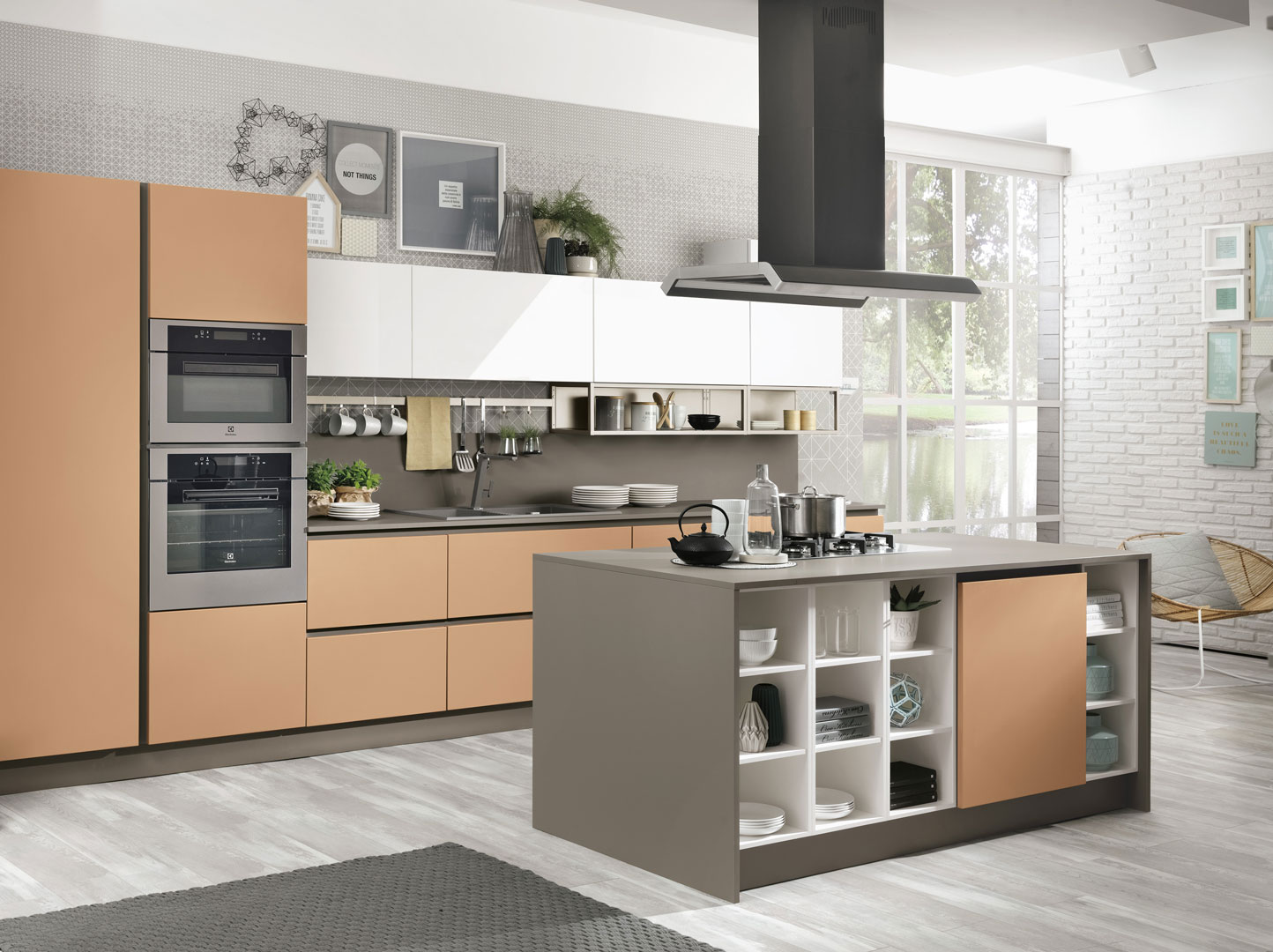
Some major advantages include:
- Efficient use of available space
- Improved organization and storage
- Faster installation process
- Easy maintenance and cleaning
- Wide range of customization options
- Enhanced visual appeal
- Better workflow and accessibility
A modular kitchen allows homeowners to maximize every corner of the room. Specialized storage units such as pull-out baskets, corner carousels, and tall cabinets help eliminate clutter and improve accessibility.
Another important benefit is durability. High-quality materials and advanced manufacturing techniques ensure long-lasting performance. Homeowners can also choose from various finishes, textures, and colors to achieve their desired look while maintaining practicality.
Popular Modular Kitchen Layouts
Selecting the right layout is crucial for creating an efficient kitchen. The ideal design depends on the available space, household size, and cooking habits.
L-Shaped Kitchen
The L-shaped layout is one of the most common designs. It utilizes two adjoining walls, creating an open and spacious environment. This design works well in both small and medium-sized homes.
The layout promotes efficient movement between cooking, cleaning, and storage areas. It also leaves room for a dining table or additional storage solutions.
U-Shaped Kitchen
A U-shaped kitchen uses three walls for cabinets and countertops. This layout provides maximum storage and workspace, making it suitable for larger families and frequent cooking.
The design allows easy access to all kitchen zones while maintaining a highly organized environment.
Parallel Kitchen
Also known as a galley kitchen, this layout features two parallel counters facing each other. It is ideal for narrow spaces and provides excellent workflow efficiency.
Parallel kitchens are commonly found in apartments where space optimization is essential.
Island Kitchen
An island kitchen includes a central workspace separate from the main counters. This layout is ideal for larger homes and open-plan living areas.
The island can serve multiple purposes, including food preparation, dining, and social interaction, making it a popular modern design choice.
Essential Components of a Modular Kitchen
A successful kitchen design combines several essential elements that work together to create functionality and comfort.
Base Cabinets
Base cabinets form the foundation of kitchen storage. They house cookware, utensils, and appliances while supporting countertops.
Wall Cabinets
Wall-mounted cabinets provide additional storage without occupying floor space. They are ideal for storing dishes, glasses, and pantry items.
Tall Units
Tall cabinets maximize vertical storage and are perfect for storing groceries, appliances, and cleaning supplies.
Countertops
Countertops serve as the primary work surface. Popular materials include granite, quartz, marble, and solid surfaces.
Accessories
Modern kitchens often feature accessories such as pull-out trays, cutlery organizers, corner units, and soft-close drawers that enhance convenience and efficiency.
Best Materials for Modular Kitchen Construction
Choosing the right materials significantly impacts durability, appearance, and maintenance requirements.
| Material | Advantages | Considerations |
|---|---|---|
| Plywood | Strong, durable, moisture-resistant | Higher cost |
| MDF | Smooth finish, affordable | Less moisture resistance |
| Particle Board | Budget-friendly | Lower durability |
| Stainless Steel | Hygienic, modern appearance | Can show fingerprints |
| PVC | Waterproof and lightweight | Limited premium appearance |
Plywood remains one of the most preferred materials due to its strength and resistance to moisture. For homeowners seeking luxury finishes, high-grade plywood combined with premium laminates offers excellent results.
The choice of material should align with the kitchen’s environmental conditions, budget, and expected usage levels.
Storage Solutions for Better Organization
Storage is one of the most important aspects of any kitchen. Smart storage solutions help maintain cleanliness and improve functionality.
Modern kitchens incorporate innovative storage features designed to maximize available space. Pull-out pantry units allow easy access to groceries, while corner mechanisms utilize otherwise wasted areas.
Drawer organizers keep cutlery and utensils neatly arranged. Tall storage cabinets provide ample room for bulk food items and appliances. Under-sink organizers help manage cleaning supplies efficiently.

By integrating these storage solutions, homeowners can create a clutter-free environment that enhances both productivity and aesthetics. Effective organization also reduces cooking time by ensuring every item has a designated place.
Choosing the Right Color Scheme
Color plays a significant role in defining the overall atmosphere of a kitchen. The right combination can make the space appear larger, brighter, and more inviting.
Light shades such as white, beige, and pastel colors create an airy and spacious feel. These colors are particularly effective in smaller kitchens where maximizing visual space is important.
Darker tones such as charcoal, navy blue, and deep green add sophistication and depth. When paired with metallic accents and proper lighting, they create a luxurious appearance.
Many homeowners prefer a combination of light and dark shades to achieve balance. Neutral colors remain popular because they adapt easily to changing design trends and complement a wide variety of interior styles.
Lighting Ideas for Modern Kitchens
Proper lighting enhances functionality and contributes to the kitchen’s visual appeal. A well-lit workspace improves safety and makes daily tasks easier.
Ambient Lighting
Ambient lighting provides overall illumination for the room. Ceiling fixtures and recessed lights are common choices.
Task Lighting
Task lighting focuses on work areas such as countertops, sinks, and cooking zones. Under-cabinet LED lights are particularly effective.
Accent Lighting
Accent lighting highlights decorative features and creates visual interest. Glass cabinets, shelves, and display areas often benefit from accent illumination.
Combining these lighting layers ensures optimal visibility while creating a welcoming atmosphere that enhances the kitchen experience.
Latest Trends in Modular Kitchen Design
Kitchen design trends continue to evolve as homeowners seek greater convenience, sustainability, and style.
One popular trend is the integration of smart technology. Features such as sensor-operated faucets, smart lighting systems, and connected appliances improve efficiency and convenience.
Minimalist designs remain highly desirable due to their clean lines and uncluttered appearance. Handleless cabinets and concealed storage contribute to a sleek aesthetic.
Sustainable materials are also gaining popularity. Eco-friendly finishes, energy-efficient lighting, and recyclable materials appeal to environmentally conscious homeowners.
Open shelving, matte finishes, and mixed-material designs are additional trends shaping the future of the modular kitchen. These elements create personalized spaces that reflect individual tastes while maintaining functionality.
Budget Planning for a Modular Kitchen
Careful budgeting is essential before starting any kitchen project. Costs can vary depending on size, materials, accessories, and customization levels.
Key factors influencing cost include:
- Cabinet materials and finishes
- Countertop selection
- Hardware quality
- Storage accessories
- Appliance integration
- Installation charges
Homeowners should prioritize quality in high-use areas such as cabinets and countertops. Investing in durable materials often reduces long-term maintenance expenses.
It is also advisable to allocate a contingency budget for unexpected costs. Proper planning helps ensure a successful project without financial stress.
Maintenance Tips for Long-Term Durability
Maintaining a modular kitchen is relatively simple when proper care routines are followed. Regular cleaning helps preserve appearance and functionality.
Wipe surfaces daily to remove grease and spills. Use mild cleaning solutions that are compatible with the cabinet finish. Avoid abrasive chemicals that may damage surfaces.
Inspect hinges, drawer channels, and handles periodically to ensure smooth operation. Promptly address moisture issues to prevent long-term damage.
Good ventilation is equally important. Proper airflow minimizes humidity levels and helps protect cabinets from moisture-related deterioration.
Consistent maintenance not only extends the lifespan of kitchen components but also keeps the space looking fresh and attractive for years.
Common Mistakes to Avoid During Design
Many homeowners overlook important details when planning their kitchen, leading to functional challenges later.
Some common mistakes include:
- Ignoring workflow efficiency
- Choosing insufficient storage
- Selecting poor-quality materials
- Inadequate lighting placement
- Overcrowding the layout
- Neglecting ventilation requirements
Careful planning and professional guidance can help avoid these issues. A balanced approach that prioritizes functionality alongside aesthetics typically produces the best results.
Designing with future needs in mind also ensures the kitchen remains practical as household requirements evolve.
Conclusion
A modular kitchen represents the perfect blend of functionality, efficiency, and modern style. Its customizable nature allows homeowners to create a cooking space tailored to their unique needs while maximizing storage and organization. From selecting the right layout and materials to incorporating innovative storage solutions and lighting, every design decision contributes to the overall success of the project.
Read more: The Complete Guide to Plumbing Materials: Types, Uses, and Benefits


