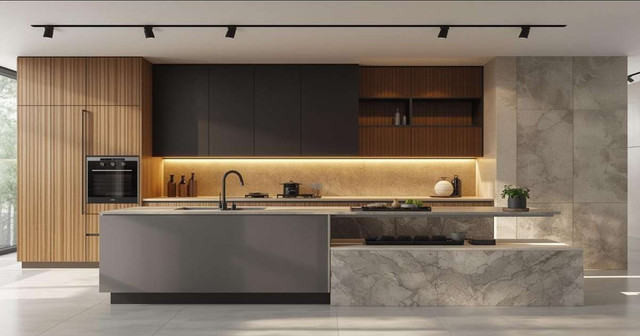


A kitchen remodel is one of the most rewarding home improvement projects you can undertake. The kitchen is often considered the heart of the home, where families cook, gather, entertain guests, and create lasting memories. Whether your current kitchen feels outdated, lacks storage, or no longer meets your lifestyle needs, remodeling it can significantly improve both functionality and aesthetics. Beyond enhancing your daily living experience, a thoughtfully designed kitchen can also increase your home’s resale value.
Planning a remodel requires careful consideration of layout, materials, appliances, lighting, and budget. Every decision contributes to the final result, from choosing durable countertops to selecting energy-efficient appliances. With proper planning and attention to detail, homeowners can create a kitchen that perfectly balances beauty, comfort, and practicality. This comprehensive guide explores everything you need to know before beginning your remodeling journey, helping you make informed decisions that lead to a successful renovation.
Why a Kitchen Remodel Is Worth the Investment
A well-planned kitchen remodel offers benefits that extend far beyond visual appeal. Modern kitchens are designed to maximize efficiency while reflecting the homeowner’s personality and lifestyle. Improved layouts make cooking easier, while upgraded storage solutions eliminate clutter and create a more organized environment.

Many homeowners remodel their kitchens to replace worn cabinets, outdated flooring, aging appliances, and inefficient lighting. New materials not only improve appearance but also require less maintenance and provide better durability. Additionally, incorporating energy-efficient appliances helps reduce utility bills while supporting environmentally friendly living.
Another major advantage is increased property value. Kitchens often play a decisive role when buyers evaluate homes. An attractive, functional kitchen can make a property stand out in a competitive market and potentially deliver an excellent return on investment.
Planning Your Kitchen Remodel
Successful remodeling begins with detailed planning. Before demolition starts, define your goals, priorities, and budget. Consider how you use your kitchen daily and identify areas that need improvement.
Important planning considerations include:
- Establish a realistic renovation budget.
- Decide whether the existing layout should remain or change.
- Select durable materials that match your lifestyle.
- Prioritize storage and workspace.
- Choose quality appliances with energy-saving features.
- Plan electrical and plumbing upgrades if necessary.
Proper planning minimizes unexpected expenses and helps ensure every design choice contributes to a cohesive final result. Consulting experienced contractors and designers can also help identify opportunities to improve functionality while avoiding costly mistakes.
Popular Kitchen Remodel Styles
Today’s homeowners have countless design options available. Choosing the right style depends on personal taste, home architecture, and long-term preferences.
Modern Kitchens
Modern kitchens emphasize clean lines, flat-panel cabinets, minimal decoration, and neutral colors. Quartz countertops, integrated appliances, and sleek hardware create a sophisticated appearance.
Traditional Kitchens
Traditional kitchens feature detailed cabinetry, warm wood finishes, decorative molding, and classic lighting fixtures. They offer timeless elegance that rarely goes out of style.
Farmhouse Kitchens
Farmhouse designs combine rustic charm with practical functionality. Natural wood, apron-front sinks, open shelving, and vintage-inspired fixtures create a warm and welcoming atmosphere.
Contemporary Kitchens
Contemporary kitchens blend current design trends with innovative materials. Bold lighting, mixed textures, and creative color combinations add personality while maintaining a clean appearance.
Regardless of style, every kitchen remodel should prioritize efficient workflow and everyday convenience.
Choosing the Best Kitchen Layout
The kitchen layout determines how efficiently you move between cooking, cleaning, and food preparation areas. Selecting the appropriate floor plan greatly improves functionality.
| Kitchen Layout | Best For | Main Benefits |
|---|---|---|
| Galley | Small homes | Efficient use of limited space |
| L-Shaped | Medium kitchens | Open design and flexible workflow |
| U-Shaped | Large families | Maximum storage and workspace |
| Island Layout | Spacious homes | Additional seating and preparation area |
| Peninsula | Open-concept homes | Extra counter space without requiring a large room |
An effective layout supports the classic work triangle between the sink, refrigerator, and stove, reducing unnecessary movement while cooking.
Selecting Cabinets and Storage Solutions
Cabinets typically represent one of the largest investments in a kitchen renovation. High-quality cabinetry improves organization while enhancing the room’s overall appearance.
Modern storage solutions include:
- Pull-out pantry shelves
- Soft-close drawers
- Deep pot drawers
- Corner cabinet organizers
- Vertical tray storage
- Hidden recycling compartments
Custom cabinets provide maximum flexibility but often cost more than stock options. Semi-custom cabinets offer an excellent balance between affordability and personalization.
When planning your kitchen remodel, prioritize storage that supports your cooking habits and keeps frequently used items easily accessible.
Countertops and Flooring Options
Countertops and flooring experience constant daily use, making durability an essential consideration.
Quartz remains one of the most popular countertop materials because it resists stains, scratches, and moisture while requiring minimal maintenance. Granite offers natural beauty and excellent durability, while butcher block introduces warmth and character.
For flooring, luxury vinyl plank has gained popularity due to its water resistance, affordability, and realistic wood appearance. Porcelain tile remains an excellent option because it withstands moisture, heavy traffic, and temperature changes. Hardwood flooring adds timeless elegance but requires extra care in moisture-prone environments.
Selecting complementary materials creates visual harmony throughout the kitchen while ensuring long-term performance.
Lighting Makes a Huge Difference
Lighting influences both functionality and atmosphere. Layering different lighting types creates a bright, inviting workspace.
Three primary lighting categories include:
Ambient Lighting
General illumination provided by ceiling fixtures or recessed lighting ensures the entire kitchen remains evenly lit.
Task Lighting
Under-cabinet lights illuminate countertops, making food preparation safer and easier.
Accent Lighting
Decorative fixtures such as pendant lights above islands or glass cabinet lighting highlight architectural features and add visual interest.
Smart lighting systems allow homeowners to adjust brightness and color temperature according to different activities, creating a more versatile kitchen environment.
Appliances That Improve Everyday Living
Modern appliances combine convenience, energy efficiency, and advanced technology. Choosing the right models enhances cooking performance while reducing utility costs.
Popular appliance upgrades include:
- Smart refrigerators
- Induction cooktops
- Double wall ovens
- Quiet dishwashers
- Built-in microwaves
- Touchless faucets
Energy-efficient appliances often qualify for rebates while lowering electricity and water consumption over time. During your kitchen remodel, ensure appliances complement the kitchen’s overall design and fit comfortably within the chosen layout.
Budgeting for Your Kitchen Remodel
Budget management plays a critical role in renovation success. Costs vary depending on kitchen size, material quality, labor rates, and structural modifications.
A typical budget allocation may include:
- Cabinets: 30–35%
- Labor: 20–25%
- Appliances: 15–20%
- Countertops: 10–15%
- Flooring: 7–10%
- Lighting and fixtures: 5–8%
- Miscellaneous expenses: 5–10%
Setting aside an additional contingency fund helps cover unexpected repairs, such as hidden plumbing issues or electrical upgrades discovered during construction.
Avoid making frequent design changes after work begins, as these often increase both costs and project timelines.
Common Kitchen Remodeling Mistakes to Avoid
Even carefully planned renovations can encounter challenges. Recognizing common mistakes helps homeowners achieve better results.
Some frequent remodeling errors include:
- Underestimating the overall budget.
- Ignoring storage requirements.
- Choosing appearance over functionality.
- Installing insufficient lighting.
- Selecting low-quality materials.
- Forgetting ventilation improvements.
- Poor space planning.
A successful kitchen remodel balances style with practicality, ensuring the finished space remains comfortable and efficient for years to come.
Current Kitchen Remodeling Trends
Kitchen design continues to evolve with changing lifestyles and technological advancements. Several trends have become especially popular among homeowners.
Natural materials such as wood and stone create warm, inviting interiors. Two-tone cabinetry adds visual contrast without overwhelming the space. Large kitchen islands provide extra seating and multifunctional work areas.
Smart home technology continues to expand, allowing voice-controlled lighting, connected appliances, and automated cooking features. Sustainable materials, recycled surfaces, and energy-efficient fixtures also appeal to environmentally conscious homeowners.
Hidden storage solutions, integrated appliances, and minimalist cabinet designs help maintain clean, uncluttered spaces while maximizing functionality.
Incorporating selected trends during a kitchen remodel ensures your kitchen remains stylish without sacrificing timeless appeal.
Conclusion
A thoughtfully planned kitchen remodel transforms one of the most important spaces in your home into a functional, beautiful, and highly efficient environment. From selecting the ideal layout and durable materials to installing modern appliances and effective lighting, every decision contributes to the kitchen’s long-term value and performance. Careful budgeting, detailed planning, and attention to everyday functionality are essential for achieving lasting satisfaction. Rather than following short-lived design fads, focus on creating a space that supports your lifestyle while maintaining timeless appeal. With quality craftsmanship and smart design choices, your remodeled kitchen can become the centerpiece of your home for many years, offering greater comfort, improved organization, and increased property value.
Read more: Plumbing Work: A Complete Guide to Reliable Installation, Repair, and Maintenance