
An apartment offers a convenient and flexible lifestyle that appeals to people from all walks of life. Whether you are a student, a young professional, a growing family, or a retiree, apartment living provides an efficient way to enjoy modern comforts without the responsibilities that often come with larger properties. As urban areas continue to expand, more individuals are choosing apartments because of their affordability, accessibility, and practical use of space.
Living in an apartment requires thoughtful planning, especially when it comes to organization, design, and maximizing available square footage. Fortunately, with the right approach, even a compact unit can feel spacious, comfortable, and stylish. Modern apartments are designed to meet the needs of contemporary lifestyles, offering amenities and layouts that support convenience and functionality.
This guide explores everything you need to know about apartment living, from selecting the right unit to decorating your space effectively. By understanding key principles and strategies, you can create a home that reflects your personality while meeting your everyday needs.
What Is an Apartment?
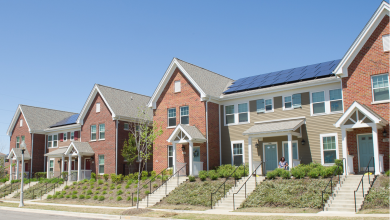
An apartment is a self-contained residential unit located within a larger building or complex. Unlike standalone houses, apartments share common areas such as hallways, elevators, parking facilities, and recreational spaces. Residents typically rent or own individual units while sharing responsibility for communal areas.
The popularity of the apartment lifestyle continues to grow due to increasing urbanization and changing housing preferences. Many people appreciate the convenience of living close to workplaces, schools, shopping centers, and entertainment venues. Apartments are available in various sizes and configurations, making them suitable for different household needs.
Modern apartment developments often include additional amenities such as fitness centers, swimming pools, coworking spaces, and security services. These features enhance the overall living experience and provide added value to residents. Choosing the right apartment involves evaluating location, layout, amenities, and long-term lifestyle goals.
Benefits of Apartment Living
One of the primary advantages of living in an apartment is convenience. Residents often enjoy easier maintenance responsibilities because property management teams handle many exterior and common-area tasks. This allows occupants to focus more on their personal and professional lives.
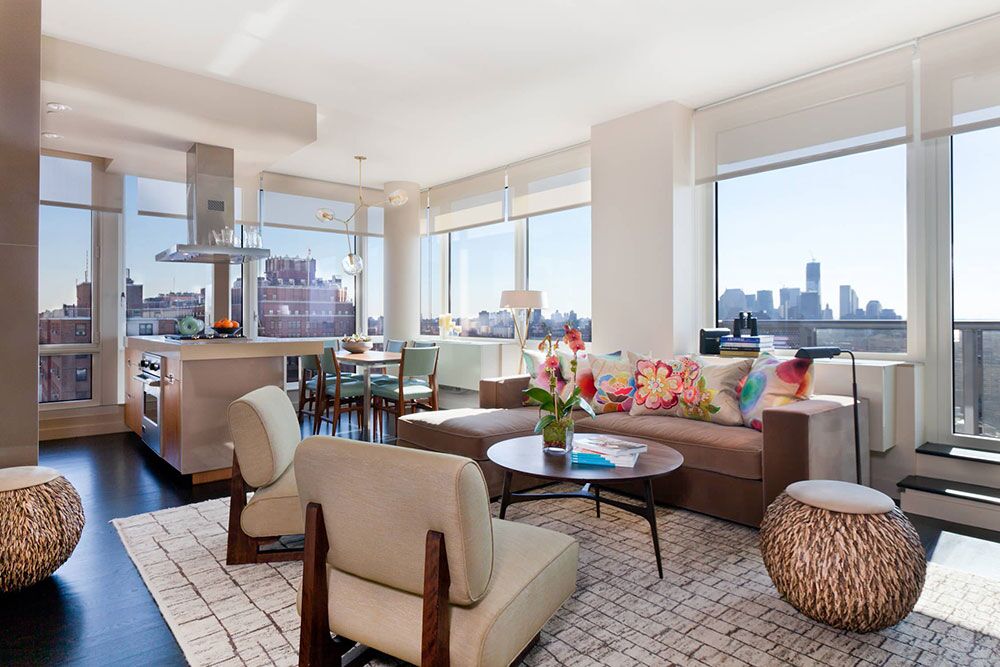
Additional benefits include:
- Lower maintenance requirements
- Enhanced security features
- Access to shared amenities
- Convenient urban locations
- Reduced utility expenses
- Community-oriented environment
Another significant advantage is affordability. Compared to purchasing a house in many urban markets, renting or owning an apartment can be more budget-friendly. Utility costs are often lower because shared walls help regulate indoor temperatures more efficiently.
For people with busy schedules, the apartment lifestyle offers a practical solution that balances comfort, accessibility, and cost-effectiveness.
Types of Apartments
Understanding different apartment styles can help you choose a home that best matches your preferences and lifestyle requirements.
Studio Apartment
A studio apartment combines the living room, bedroom, and kitchen into a single open space. It is ideal for individuals seeking simplicity and affordability.
One-Bedroom Apartment
This layout provides a separate bedroom, offering greater privacy while maintaining a compact footprint.
Two-Bedroom Apartment
Suitable for small families, roommates, or individuals who need additional workspace.
Loft Apartment
Lofts feature open floor plans, high ceilings, and industrial-inspired designs. They often appeal to creative professionals and urban residents.
Luxury Apartment
Luxury apartments offer premium finishes, advanced amenities, concierge services, and desirable locations.
Selecting the right apartment type depends on budget, household size, work arrangements, and personal preferences.
Choosing the Perfect Apartment
Finding the ideal apartment requires careful consideration of several factors. The location should align with your daily routines and lifestyle priorities. Consider proximity to work, schools, public transportation, healthcare facilities, and shopping centers.
Budget planning is equally important. Beyond rent or mortgage payments, residents should account for utility bills, maintenance fees, parking costs, and internet services. Understanding the full financial commitment helps avoid unexpected expenses.
The apartment layout should support your current and future needs. Evaluate room dimensions, storage availability, natural lighting, and overall functionality. Visiting multiple properties and comparing options can provide valuable insight into what works best for your lifestyle.
Amenities also play a role in decision-making. Features such as gyms, outdoor spaces, pet-friendly policies, and security systems can significantly impact your living experience. Prioritizing must-have features helps narrow down your choices effectively.
Apartment Space Planning Essentials
Effective space planning transforms a small apartment into a comfortable and efficient living environment. Every square foot should serve a purpose while maintaining a sense of openness and flow.
Begin by identifying your daily activities and arranging furniture accordingly. Create distinct zones for sleeping, working, dining, and relaxation. Even within limited space, visual separation can improve functionality and organization.
Multifunctional furniture is especially valuable in apartment settings. Pieces that serve multiple purposes help reduce clutter while maximizing usability. Examples include storage ottomans, foldable tables, and sofa beds.
Space-Saving Furniture Ideas
- Murphy beds
- Expandable dining tables
- Storage benches
- Modular shelving units
- Nesting tables
- Convertible sofas
Careful furniture placement can also improve circulation and make rooms feel larger. Avoid overcrowding and prioritize pieces that provide both style and practicality.
Apartment Interior Design Principles
Interior design plays a significant role in creating an inviting and functional apartment. Thoughtful design choices can make even compact spaces feel larger and more comfortable.
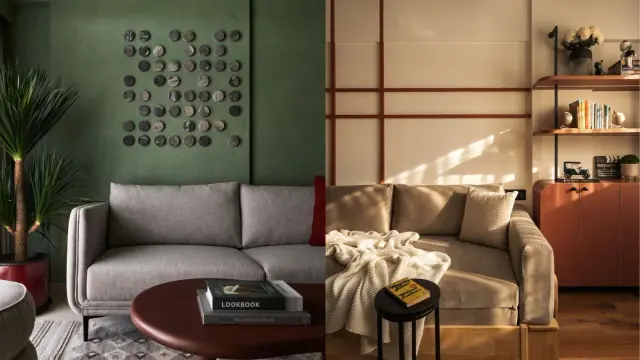
Light colors often work well because they reflect natural light and create a sense of openness. Neutral tones provide versatility and allow decorative accents to stand out. Strategic use of mirrors can further enhance brightness and visual space.
Texture adds warmth and depth to interiors. Combining fabrics, wood finishes, metals, and decorative accessories creates visual interest without overwhelming the room.
Design Element Comparison
| Design Element | Benefits | Best Use |
|---|---|---|
| Light Colors | Creates openness | Small rooms |
| Mirrors | Reflects light | Living areas |
| Multifunctional Furniture | Saves space | Compact apartments |
| Area Rugs | Defines zones | Open layouts |
| Wall Shelves | Adds storage | Bedrooms and offices |
| Indoor Plants | Improves aesthetics | Any room |
Maintaining design consistency throughout the apartment contributes to a cohesive and polished appearance.
Storage Solutions for Apartments
Storage is one of the most common challenges in an apartment. Without proper organization, even a spacious unit can quickly become cluttered and inefficient.
Vertical storage solutions are particularly effective because they utilize wall space rather than valuable floor area. Shelving systems, hanging organizers, and wall-mounted cabinets help maximize storage capacity while preserving room functionality.
Under-bed storage is another practical option. Storage bins, drawers, and vacuum-sealed bags can accommodate seasonal clothing, bedding, and miscellaneous items. Utilizing hidden storage areas reduces visible clutter and promotes a cleaner environment.
Regular decluttering is equally important. Periodically reviewing belongings and removing unnecessary items helps maintain organization and prevents overcrowding. A streamlined living space often feels more comfortable and manageable.
Creating a Comfortable Apartment Lifestyle
Comfort extends beyond furniture and decor. A well-designed apartment supports physical, emotional, and social well-being. Establishing routines and creating personalized spaces contribute to a more enjoyable living experience.
Natural lighting significantly affects mood and productivity. Whenever possible, arrange seating and workstations near windows to maximize daylight exposure. Supplement with layered lighting that includes ambient, task, and accent fixtures.
Noise management is another important consideration. Rugs, curtains, upholstered furniture, and acoustic panels can help reduce unwanted sound transmission. Creating a peaceful environment enhances relaxation and concentration.
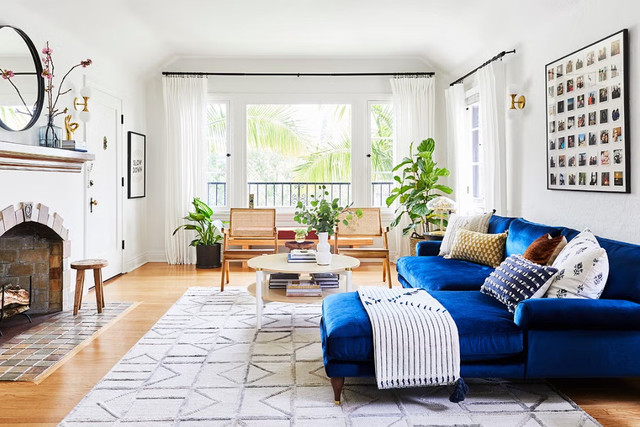
Personal touches such as artwork, photographs, and meaningful decorative pieces make an apartment feel like home. These elements reflect individual personality while fostering a sense of belonging and comfort.
Sustainability in Apartment Living
Sustainable living practices are becoming increasingly important in modern apartment communities. Small changes can reduce environmental impact while lowering household expenses.
Energy-efficient appliances consume less electricity and often provide long-term cost savings. LED lighting, smart thermostats, and energy-conscious habits contribute to improved efficiency.
Water conservation is equally valuable. Low-flow fixtures, prompt leak repairs, and mindful water usage help reduce consumption. Recycling programs and responsible waste management further support sustainable living goals.
Residents can also incorporate eco-friendly design elements such as natural materials, reusable household products, and indoor plants. These choices create healthier living environments while promoting environmental responsibility.
A sustainable apartment lifestyle benefits both residents and the broader community by supporting resource conservation and reducing overall environmental impact.
Technology and Modern Apartments
Technology continues to reshape apartment living through innovative smart-home solutions. Many modern apartment communities now integrate advanced features that enhance convenience, security, and efficiency.
Smart locks allow residents to manage access remotely, while video doorbells improve security and visitor monitoring. Smart lighting systems enable customized schedules and energy savings. Voice-controlled devices can manage entertainment systems, appliances, and environmental settings.
Internet connectivity has become an essential feature for many residents, especially those working remotely. Reliable high-speed connections support productivity, communication, and entertainment needs.
As technology evolves, apartments are increasingly designed to accommodate connected lifestyles. Integrating smart solutions can improve daily convenience while enhancing overall living quality.
Common Apartment Challenges and Solutions
Although apartment living offers many advantages, residents may occasionally encounter challenges. Understanding these issues and implementing practical solutions helps maintain a positive experience.
Common challenges include:
- Limited storage space
- Noise from neighboring units
- Restricted customization options
- Parking limitations
- Shared community facilities
Addressing these concerns often involves proactive planning. Organizational systems, communication with property management, and creative design strategies can minimize inconvenience and improve overall satisfaction.
Many challenges can be transformed into opportunities for innovation and efficiency. Adopting a problem-solving mindset allows residents to make the most of their available space and resources.
Conclusion
An apartment can provide a comfortable, stylish, and highly functional living environment when designed thoughtfully. From selecting the right layout to implementing effective storage solutions, every decision contributes to the overall quality of life within the space. Modern apartment living combines convenience, affordability, and accessibility, making it an attractive option for individuals and families alike.
read more: How to Measure Room for Furniture: A Complete Guide to Perfect Space Planning