
Low Income Apartments: A Complete Guide to Affordable Housing

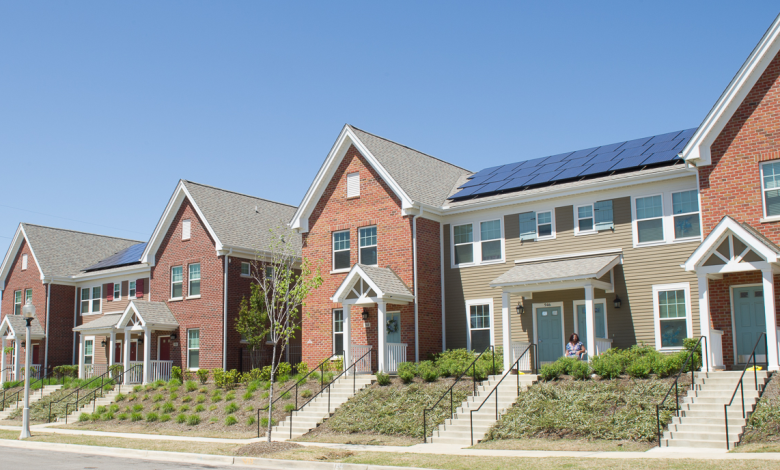
Introduction
Finding safe and affordable housing has become increasingly difficult for many individuals and families. Rising rental prices, economic uncertainty, and growing urban populations have created significant challenges for those with limited financial resources. This is where low income apartments play a crucial role. These housing options provide affordable rental opportunities for eligible residents, helping them maintain stability while managing other essential expenses.
For seniors, working families, students, and individuals with disabilities, affordable housing programs offer an opportunity to secure quality accommodation without sacrificing their financial well-being. Understanding how these programs work, who qualifies, and how to apply can significantly improve the chances of finding suitable housing. This guide explores the essential aspects of low income apartments and provides valuable information for those seeking affordable living solutions.
Understanding Low Income Apartments

Low income apartments are residential units offered at reduced rental rates to individuals and families whose earnings fall below certain income limits established by government agencies or housing organizations. The purpose of these programs is to ensure that everyone has access to safe and decent housing regardless of their financial circumstances.
These apartments are often supported through public funding, tax incentives, or partnerships between government bodies and private developers. Rent is typically calculated based on a percentage of household income, making it more manageable for tenants.
Affordable housing initiatives help reduce homelessness, improve community stability, and provide residents with a better quality of life. They also contribute to economic growth by allowing families to allocate resources toward education, healthcare, and other necessities.
Who Qualifies for Affordable Housing Programs?
Eligibility requirements for affordable housing programs vary depending on the specific program and location. However, income level remains the primary determining factor. Housing authorities generally assess household income relative to the median income in the area.
Factors that may influence eligibility include:
- Total annual household income
- Number of individuals living in the household
- Citizenship or residency status
- Age requirements for senior housing programs
- Disability status for specialized housing communities
Applicants are usually required to submit supporting documentation such as pay stubs, tax returns, identification records, and proof of household composition. Because demand often exceeds availability, waiting lists may apply.
Understanding the eligibility criteria before applying can save time and improve the likelihood of securing a suitable apartment.
Benefits of Choosing Low Income Apartments
Affordable housing provides advantages that extend far beyond reduced rental costs. Residents often experience improved financial security and reduced stress associated with housing instability.
Some key benefits include:
- Lower monthly rent payments
- Increased access to safe neighborhoods
- Greater financial flexibility for essential expenses
- Improved housing stability for families
- Opportunities to save for future goals
- Access to community support services in certain developments
For many families, low income apartments serve as a stepping stone toward long-term economic independence. Stable housing can positively impact children’s educational outcomes and adults’ employment opportunities.
These benefits demonstrate why affordable housing remains an important component of social and economic development.
Types of Affordable Housing Options
Affordable housing is available in several forms, each designed to meet different needs within the community.
Government-Assisted Housing
These properties receive direct funding from public agencies to maintain reduced rental rates. Residents typically pay rent based on a percentage of their household income.
Housing Voucher Programs
Qualified individuals receive vouchers that help cover a portion of their rent in privately owned apartments that meet program requirements.
Tax Credit Properties
Private developers may receive tax incentives for offering apartments at below-market rental rates. These communities often feature amenities similar to standard apartment complexes.
Senior Affordable Housing
Designed specifically for older adults, these communities provide age-appropriate accommodations and services while maintaining affordability.
Supportive Housing Programs
Certain developments offer housing combined with supportive services for individuals with disabilities or those transitioning from homelessness.
Understanding these options can help applicants identify programs that best align with their personal circumstances.
How to Search for Low Income Apartments

Finding affordable housing requires patience, organization, and persistence. Since demand is often high, starting the search early is advisable.
Effective strategies include:
- Contacting local housing authorities
- Researching nonprofit housing organizations
- Monitoring community housing announcements
- Checking eligibility requirements carefully
- Preparing necessary documentation in advance
- Following up regularly on application status
Many applicants benefit from maintaining a list of properties and application deadlines. Because waiting lists can extend for months or even years, applying to multiple eligible programs may increase the chances of success.
Individuals searching for low income apartments should remain proactive throughout the process and seek assistance when needed.
Common Challenges Applicants Face
Although affordable housing programs offer valuable opportunities, applicants may encounter several obstacles during the application process.
One common challenge involves lengthy waiting periods. High demand often results in extensive waiting lists, particularly in densely populated areas. Applicants may also struggle with gathering required documentation or understanding complex eligibility guidelines.
Changes in household income or family composition can affect qualification status. Additionally, misconceptions about affordable housing sometimes discourage eligible individuals from applying.
Despite these challenges, persistence and thorough preparation can significantly improve outcomes. Seeking guidance from housing counselors or community organizations may also prove beneficial.
Tips for Improving Your Housing Search
Applicants can take practical steps to strengthen their chances of obtaining affordable housing.
Consider the following recommendations:
- Keep all financial records organized.
- Respond promptly to requests for additional information.
- Update housing authorities about changes in contact details.
- Explore multiple housing programs simultaneously.
- Review eligibility criteria before submitting applications.
- Stay informed about newly available housing opportunities.
Being well-prepared demonstrates responsibility and can streamline the application process. Maintaining realistic expectations regarding wait times is equally important.
Individuals seeking low income apartments often find that persistence, flexibility, and careful planning lead to successful outcomes.
The Impact of Affordable Housing on Communities
Affordable housing initiatives benefit entire communities rather than just individual residents. Stable housing contributes to stronger neighborhoods, improved public health outcomes, and increased workforce participation.
Families living in secure housing environments are often better positioned to pursue educational opportunities and career advancement. Children experience greater consistency in schooling, which can support academic success.
Communities with diverse housing options also tend to attract a broader workforce, benefiting local businesses and economic development efforts. By reducing housing-related financial stress, affordable housing programs help foster more resilient and inclusive societies.
The continued expansion of low income apartments remains essential for addressing growing housing affordability concerns.
Future Trends in Affordable Housing
As housing costs continue to rise, policymakers and developers are exploring innovative approaches to increase affordability and accessibility.
Emerging trends include:
- Mixed-income housing developments
- Sustainable building practices to reduce operating costs
- Public-private partnerships for housing expansion
- Technology-driven application systems
- Community-focused residential planning
These developments may improve efficiency and broaden access to affordable housing opportunities in the years ahead.
Addressing housing affordability requires ongoing collaboration among governments, nonprofit organizations, developers, and local communities. Continued investment in affordable housing solutions can help meet evolving societal needs.
Conclusion
Access to affordable housing represents a fundamental component of personal and community well-being. Low income apartments provide essential support for individuals and families striving to maintain financial stability while securing safe and comfortable living environments.
Understanding eligibility requirements, exploring available housing options, and approaching the application process with preparation and persistence can make a significant difference. While challenges such as waiting lists and high demand may exist, the long-term benefits of stable housing are substantial.
As communities continue to seek solutions to housing affordability issues, expanding access to low income apartments remains an important priority. Through informed decision-making and proactive engagement, prospective tenants can navigate the housing landscape more effectively and work toward achieving greater housing security.