

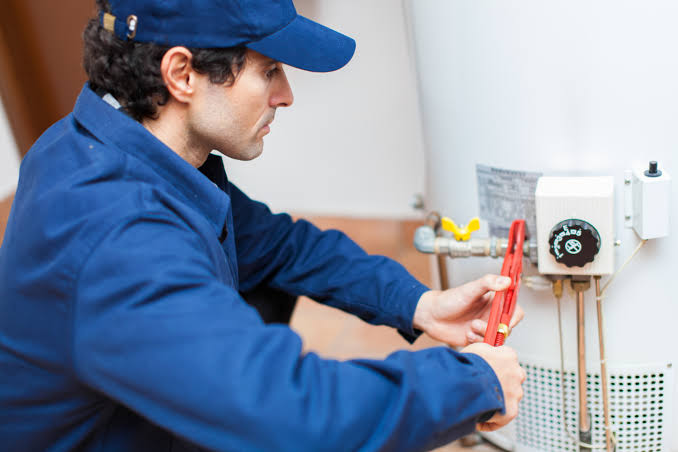
A water heater is one of the most frequently used appliances in a home, yet its condition often receives little attention until something goes wrong. From morning showers to washing dishes and doing laundry, a reliable hot water supply supports numerous daily activities. Unfortunately, water heaters rarely stop working without displaying some warning signs beforehand. Recognizing these early indicators can help homeowners avoid expensive repairs, unexpected interruptions, and premature equipment replacement.
Professional maintenance plays an important role in identifying developing problems before they affect the entire system. Homeowners seeking Water Heater Maintenance Houston services can benefit from understanding which warning signs require professional attention and when routine servicing becomes necessary.
Inconsistent Water Temperature
One of the earliest indications of water heater trouble is an unpredictable water temperature. You might notice that your shower suddenly turns cold or that hot water takes longer than usual to reach the faucet. These changes can indicate problems with heating elements, thermostats, or sediment accumulation inside the tank.
In electric water heaters, a malfunctioning heating element may prevent the system from maintaining the desired temperature. Gas water heaters can experience similar issues when burners or temperature controls develop problems. Professional technicians can inspect these components, identify the underlying cause, and recommend appropriate maintenance.
Unusual Noises Coming From the Tank
A properly functioning water heater generally operates without excessive noise. On the other hand, noises like popping, rumbling, slamming, or crackling might indicate that sediment has built up near the tank’s bottom.
Over time, minerals naturally present in water settle inside the heater. As these deposits build up, they can interfere with heat transfer and create unusual sounds during heating cycles. Excessive sediment can also reduce efficiency and place additional stress on internal components.
Professional maintenance may include inspecting the tank and flushing accumulated sediment when appropriate. Addressing these deposits early can improve performance and reduce the likelihood of further complications.
Rusty or Discolored Hot Water
Water flowing from hot water faucets should generally appear clear. If you notice brown, reddish, or rusty water, it could indicate corrosion within the water heater or connected plumbing.
Traditional tank water heaters contain an anode rod designed to help protect the tank against corrosion. As this component deteriorates, the tank may become increasingly vulnerable to rust.
A professional inspection can determine whether the discoloration originates from the heater, plumbing pipes, or another source. Replacing a deteriorated anode rod before significant tank corrosion develops may help extend the appliance’s useful life.
Reduced Hot Water Supply
It might be annoying to run out of hot water more quickly than normal, especially in homes with many people. Although increased water consumption may explain occasional shortages, a consistent reduction in hot water availability can indicate an equipment problem.
Sediment accumulation reduces usable tank capacity, while damaged heating components can prevent water from reaching the required temperature. In some cases, an aging system may simply struggle to meet household demand.
Professional maintenance helps identify whether the problem requires cleaning, component replacement, or an assessment of the heater’s capacity.
Water Leaks Around the Heater
Moisture surrounding a water heater should never be ignored. Small leaks may develop around pipe connections, valves, or fittings, while more serious problems can involve corrosion or damage to the storage tank itself.
Even minor leaks can gradually damage flooring, walls, and nearby belongings. Homeowners should regularly examine the area around their water heaters for puddles, moisture stains, or visible dripping.
A qualified plumber can determine whether a leak can be repaired or whether tank replacement is necessary. A leaking tank generally requires replacement rather than routine maintenance.
Unexpected Increases in Energy Bills
The water heater may be running inefficiently if there is a discernible rise in energy use without a matching change in family practices.
Sediment buildup, faulty thermostats, and deteriorating heating components can force the appliance to consume additional energy to deliver the same amount of hot water. Poor insulation and excessive temperature settings may also contribute to unnecessary energy use.
Professional servicing can help identify efficiency problems, evaluate operating conditions, and recommend adjustments that may reduce energy waste.
Frequent System Shutdowns
A water heater that repeatedly shuts down or requires resetting may have an electrical, mechanical, or safety-related problem. These interruptions should not be treated as normal operating behavior.
Faulty thermostats, overheating protection devices, and electrical connection issues can interfere with reliable operation. Gas-powered systems may experience problems involving ignition components or gas supply controls.
Because these components involve electrical and gas safety considerations, homeowners should avoid attempting complicated repairs themselves. Professional diagnosis is the safer approach.
Conclusion
Water heaters often provide warning signs before experiencing a complete breakdown. Temperature fluctuations, unusual noises, discolored water, leaks, and rising energy bills can all indicate developing maintenance needs.
Paying attention to these changes and scheduling professional inspections can help homeowners maintain dependable hot water, improve equipment efficiency, and avoid preventable repair expenses. Regular maintenance is not simply about fixing existing problems. It is also about protecting the water heater’s performance and extending its service life whenever possible.