
A fence can define property boundaries, improve privacy, protect outdoor areas, and change the overall appearance of a home or commercial property. However, the right fence depends on why you need it. A privacy fence has different requirements from a decorative boundary, pool enclosure, pet fence, or security barrier.
Before hiring a fencing contractor in Spring, TX, identify the main purpose of your project and consider how the fence will interact with your property. Soil conditions, drainage, wind exposure, maintenance expectations, and the layout of your yard all influence the final result. Planning these details before installation helps prevent costly changes later.
Start With Your Primary Goal
Think about what you want the fence to accomplish.
Privacy fencing is designed to reduce visibility between properties. Decorative fencing emphasizes appearance and boundary definition. Security fencing focuses more heavily on access control and physical resistance. Pet fencing must consider the size and behavior of the animals using the yard.
If your project has multiple goals, communicate them clearly. A fence can combine privacy, appearance, and security when the design and materials are selected appropriately.
Choose a Material That Fits Your Property
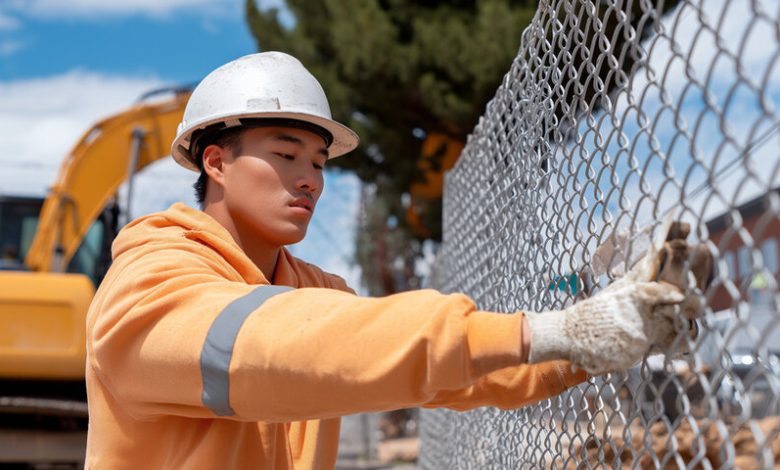
Common fencing materials include wood, vinyl, metal, and chain link. Each has different maintenance and appearance characteristics.
Wood offers a traditional appearance and can be customized through staining or painting. In humid conditions, naturally decay-resistant cedar or properly pressure-treated pine can be practical wood choices. Vinyl generally requires less routine maintenance and provides a clean, consistent appearance. Metal fencing can provide a durable and more open design, while chain link is practical when visibility and functional boundary control are priorities.
Do not choose a material based on appearance alone. Consider how much maintenance you are willing to perform and how the fence will perform in the local environment. Cost also varies significantly by material. As a rough Texas planning range, installed fencing may run about $18–$35 per linear foot for pressure-treated wood, $25–$55 for cedar, $30–$60 for vinyl, $30–$65 for ornamental metal, and $12–$28 for chain link, depending on height, grade, gates, labor, and site conditions.
Pay Attention to the Property Layout
Fence installation becomes more complicated when a property contains slopes, trees, drainage areas, retaining features, or irregular boundaries.
Before construction, verify where the property lines are located. Before any digging begins, call 811 or submit a request to Texas811 at least two business days in advance so underground utilities can be located. This service is free, and Texas law requires notification before excavation, including fence installation.
Gate placement deserves special attention. A driveway gate should provide enough clearance for vehicles, while pedestrian gates should be positioned where they are convenient for everyday use.
Post depth also matters, particularly in Spring’s soil conditions. A common starting point is at least 24 inches below grade, with posts secured in concrete, although taller fences, wind exposure, soil conditions, and the specific fence design may require deeper or larger footings. Ask the contractor to specify the post depth, post size, and concrete footing in the estimate rather than accepting a general installation description.
If the fence will enclose a pool, verify the requirements that apply to the property before installation. For pool yards covered by Texas Health and Safety Code Chapter 757, the enclosure must be at least 48 inches high, openings must meet specified limits, and gates must have self-closing and self-latching devices, with additional gate requirements. The chapter applies specifically to certain multiunit rental complexes and property owners association pools, so other pool projects should also be checked against applicable local requirements.
Understand Long-Term Maintenance
Every fencing material requires some level of care. Wood may require periodic staining or sealing. Metal fencing should be monitored for corrosion or coating damage. Gates, hinges, latches, and other moving components also need periodic inspection.
Keeping vegetation from pressing continuously against a fence helps protect the structure and improves visibility during inspections.
Questions to Ask Before Installation
Ask about materials, post depth, installation methods, gate hardware, cleanup, warranty coverage, and expected maintenance. A detailed estimate should explain what work is included.
It is also helpful to ask how the contractor handles uneven terrain, drainage concerns, and difficult access areas. These details can influence both the installation process and the finished appearance.
Conclusion
A good fence should match your property’s purpose, layout, appearance, and maintenance expectations. If you are planning a project, consult a qualified fencing contractor in Spring, TX to evaluate the site and discuss suitable options. Careful planning helps you achieve a fence that remains useful and attractive for years.