
Many homeowners only think about their heating and cooling system when it stops working. By then, the problem is already costing you comfort and money. Understanding the difference between maintenance and repairs helps you plan ahead and avoid unwelcome surprises.
What Is HVAC Maintenance?
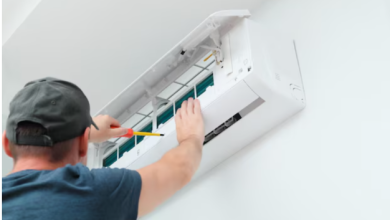
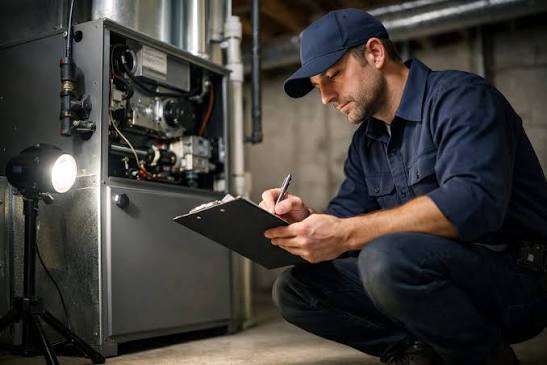
Maintenance is routine care that keeps your system running well. A technician inspects, cleans and tests the equipment before problems develop.
When you book HVAC services in Little Rock, AR, a standard maintenance visit usually includes:
- Checking the thermostat and system controls
- Cleaning or replacing the air filter
- Inspecting electrical connections and moving parts
- Cleaning coils and clearing the condensate drain
- Testing airflow and refrigerant levels
- Checking the burner, ignitor and flue on gas systems
Think of it as a health check. It will not fix a broken part, but it can spot a worn one before it fails.
What Counts as an HVAC Repair?
A repair fixes something that has already gone wrong. It might be a failed capacitor, a faulty fan motor or a refrigerant leak.
Repairs are usually unplanned. They tend to happen at the worst times, such as during a heatwave or a cold snap, when demand for technicians is high.
Key Differences at a Glance
Purpose
Maintenance prevents problems and keeps efficiency high. Repairs restore a system that is faulty or has stopped working.
Timing
Maintenance is scheduled in advance, usually once or twice a year. Repairs happen when something breaks, often without warning.
Cost Over Time
A maintenance visit is a small, predictable expense. Repairs vary widely and can be expensive, especially if a fault has been building unnoticed. Regular upkeep often reduces how many repairs you need.
Why Maintenance Matters in Arkansas
Central Arkansas has hot, humid summers and cold spells in winter. Your system works hard in both seasons, and that wears components down.
Humidity adds extra strain. Air conditioners remove moisture as well as heat, so blocked drains and dirty coils are common problems. Choosing HVAC services in Little Rock, AR that include a seasonal tune-up helps catch these issues early.
A good pattern is to service the air conditioner in spring and the heating system in autumn.
Signs You Need a Repair, Not Just a Service
Maintenance cannot solve every problem. Call a professional if you notice:
- Loud banging, grinding or squealing
- Weak airflow or rooms that never reach the right temperature
- The system turning on and off repeatedly
- Water leaking around the indoor unit
- Unusual smells, especially burning or gas
- Sudden, unexplained rises in your energy bills
If you smell gas, leave the property and contact your gas provider or emergency services straight away.
What You Can Do Between Visits
Some tasks are simple and safe for homeowners:
- Change the air filter every one to three months.
- Keep vents and registers clear of furniture and curtains.
- Clear the outdoor unit of leaves, grass and debris.
- Check thermostat settings and batteries.
- Listen for changes in noise or performance.
Leave anything involving refrigerant, gas or electrical components to a qualified technician.
Is a Maintenance Plan Worth It?
Many HVAC companies offer annual plans. These often include scheduled visits, priority booking and sometimes discounts on repairs.
Before signing up, check:
- How many visits are included each year
- What the inspection covers
- Whether repairs are discounted
- Whether the technicians are licensed and insured
- What the warranty covers, as some manufacturers require proof of regular servicing
Repair or Replace?
If your system is more than 10–15 years old and breakdowns are becoming frequent, repeated repairs may not be the best use of your money. Ask your technician to compare the cost of fixing it with the long-term savings of a newer, more efficient unit.
Final Words
Maintenance and repairs both play a part in keeping your home comfortable. Maintenance reduces the chance of breakdowns, while repairs deal with faults that still slip through.
Look after your system with regular checks, simple habits and prompt action when something seems wrong. A little attention now can mean fewer emergencies and a longer life for your equipment.