
Introduction to Chimney Cap Protection
Chimneys are essential components of any home that uses fireplaces, wood stoves, or heating systems. However, without proper protection, they are vulnerable to rain, debris, animals, and structural damage. This is where chimney cap installation becomes crucial. A properly installed cap prevents water intrusion, blocks nesting animals, and improves draft performance. Over time, exposure to harsh weather can weaken chimney masonry, leading to costly repairs. Installing a protective cap is one of the simplest and most effective preventive measures homeowners can take. Among the various materials available, a stainless steel chimney cap stands out for its durability and resistance to corrosion. By understanding the importance of chimney cap installation, homeowners can extend the lifespan of their chimney system and improve overall home safety.
What Is a Chimney Cap?
A chimney cap is a protective covering installed at the top of a chimney flue. It typically consists of a mesh screen and a solid top that shields the chimney opening. The mesh prevents birds, squirrels, and debris from entering, while the top prevents rainwater from flowing directly into the flue. Proper chimney cap installation ensures that these protective features function effectively. Without a cap, moisture can seep into the masonry and cause cracks during freeze-thaw cycles. Additionally, downdrafts can push smoke back into the home, creating discomfort and potential health hazards. A stainless steel chimney cap offers superior protection compared to galvanized or aluminum options because it resists rust and withstands extreme weather conditions. By installing the right cap, homeowners protect both their chimney structure and indoor air quality.
Benefits of Chimney Cap Installation
There are multiple advantages to performing timely chimney cap installation. First, it prevents water damage, which is one of the leading causes of chimney deterioration. Rain entering an uncovered chimney can mix with soot and create acidic residue that corrodes metal liners and dampers. Second, caps prevent animals from nesting inside the flue, reducing blockages and fire risks. Third, they reduce downdrafts and improve chimney draft efficiency.
Key benefits include:
-
Prevents rainwater and moisture intrusion
-
Keeps birds and small animals out
-
Reduces debris buildup
-
Improves draft control
-
Extends chimney lifespan
Choosing a stainless steel chimney cap enhances these benefits due to its long-lasting construction and minimal maintenance requirements. Proper chimney cap installation is a small investment that protects against major repair costs in the future.
Why Choose a Stainless Steel Chimney Cap?
When selecting materials, durability should be a top priority. A stainless steel chimney cap offers exceptional resistance to rust, corrosion, and heat damage. Unlike galvanized steel, which can rust over time, stainless steel maintains its structural integrity for decades. This makes it ideal for regions with heavy rainfall, humidity, or snowfall.
Another advantage of a stainless steel chimney cap is its aesthetic appeal. It maintains a clean, polished look that complements most chimney designs. Additionally, stainless steel requires less frequent replacement compared to other materials. During chimney cap installation, homeowners often prefer stainless steel because it provides long-term value and peace of mind. The strength of this material ensures that strong winds or storms are less likely to dislodge the cap. Overall, investing in a stainless steel chimney cap ensures reliability, performance, and durability in the long run.
Step-by-Step Chimney Cap Installation Process
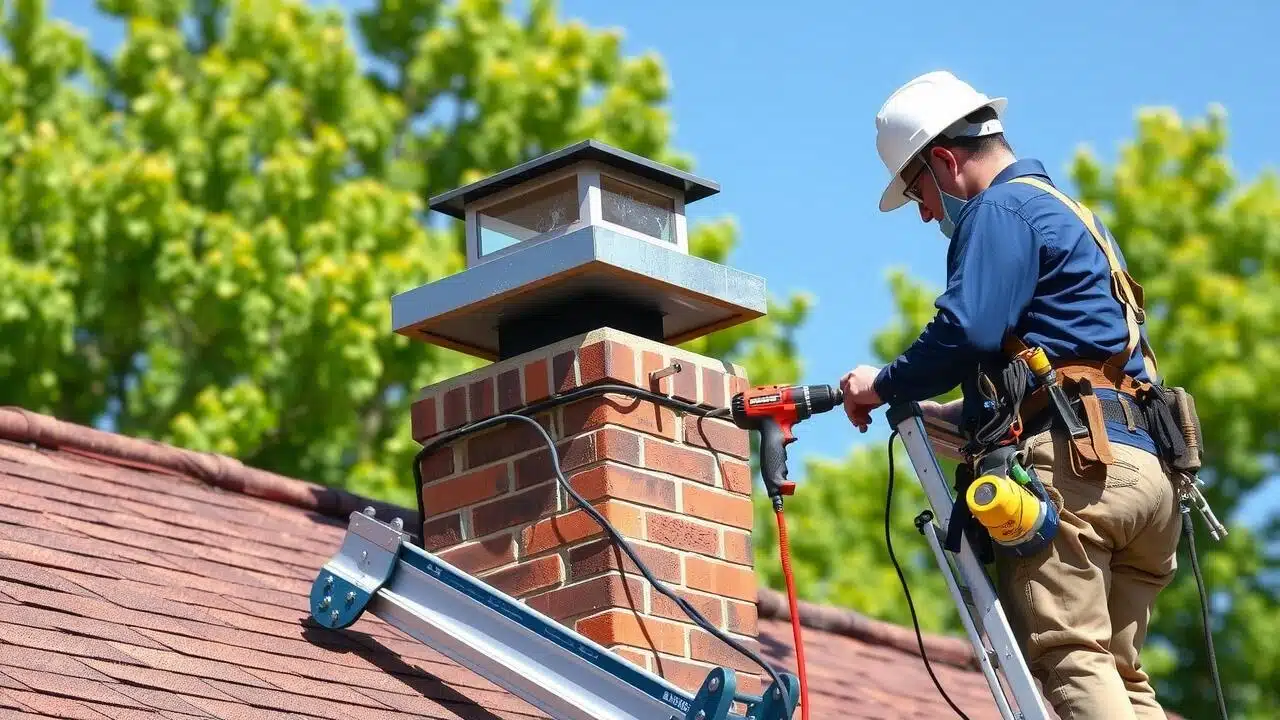
Understanding the installation process helps homeowners make informed decisions. While professional installation is recommended, knowing the basic steps provides clarity. Chimney cap installation begins with measuring the flue opening accurately. The cap must fit securely to prevent movement or gaps.
Next, the installer positions the cap over the flue tile or crown. Most caps come with adjustable clamps or screws that secure the cap tightly in place. Ensuring a level fit is crucial for proper water runoff. In some cases, sealant may be applied to reinforce stability.
The final step involves checking airflow and ensuring that the stainless steel chimney cap does not obstruct smoke flow. Proper chimney cap installation guarantees both safety and efficiency. Although the process appears simple, professional expertise ensures long-term reliability and compliance with safety standards.
Common Mistakes to Avoid
Even a high-quality stainless steel chimney cap can fail if installed improperly. One common mistake is selecting the wrong size. An oversized or undersized cap may shift during strong winds or fail to block rain effectively. Another issue is improper fastening, which can cause the cap to loosen over time.
Homeowners should also avoid neglecting inspections. After chimney cap installation, periodic checks ensure that debris has not accumulated on the mesh screen. Ignoring maintenance can reduce airflow and create fire hazards. Lastly, choosing low-quality materials to save money can lead to frequent replacements. Investing in a durable stainless steel chimney cap prevents these issues and ensures long-term performance. Careful attention to installation details reduces future repair costs and maintains chimney safety.
Comparison of Chimney Cap Materials
Below is a comparison table highlighting different chimney cap materials and their characteristics:
| Material | Durability | Rust Resistance | Lifespan | Maintenance Level | Cost Range |
|---|---|---|---|---|---|
| Galvanized Steel | Moderate | Low | 3–5 years | Medium | Low |
| Aluminum | Moderate | Moderate | 5–7 years | Medium | Moderate |
| Copper | High | Excellent | 20+ years | Low | High |
| Stainless Steel Chimney Cap | Very High | Excellent | 15–25 years | Low | Moderate |
This comparison shows why many homeowners prefer a stainless steel chimney cap during chimney cap installation. It balances durability, cost, and long-term value effectively.
Maintenance Tips After Installation
Once chimney cap installation is complete, regular maintenance ensures optimal performance. Inspect the cap at least once a year, preferably before winter. Look for debris, rust, or loose fasteners. Cleaning the mesh screen prevents soot buildup and maintains proper airflow.
Seasonal weather changes can affect chimney components. Heavy storms or strong winds may loosen fittings, so checking stability is important. A stainless steel chimney cap generally requires minimal upkeep, but routine inspection helps identify small issues before they escalate.
Homeowners should also schedule professional chimney inspections annually. This ensures the entire chimney system, including the cap, liner, and crown, functions efficiently. Regular maintenance enhances safety, improves heating efficiency, and extends the lifespan of the chimney structure.
Signs You Need a Chimney Cap Replacement
Even with durable materials, replacement may eventually be necessary. Visible rust, cracks, or bent mesh screens indicate wear. If animals frequently enter the chimney or water stains appear inside the fireplace, it may signal improper chimney cap installation or cap damage.
Another sign is smoke downdraft issues, which can occur if the cap becomes misaligned. A stainless steel chimney cap typically lasts many years, but environmental conditions and lack of maintenance can reduce its lifespan. Prompt replacement prevents costly chimney repairs and protects your home from moisture damage.
Conclusion
Chimney protection is an essential yet often overlooked aspect of home maintenance. Proper chimney cap installation safeguards against water intrusion, animal nesting, debris accumulation, and structural damage. Among available materials, a stainless steel chimney cap offers unmatched durability, corrosion resistance, and long-term reliability. Its ability to withstand harsh weather conditions makes it a practical investment for homeowners seeking lasting protection.
Read More:- The Complete Guide to Chimney Cap and Chimney Cap Replacement