

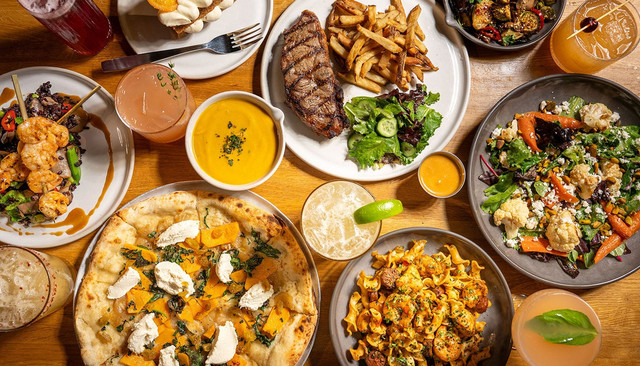
Finding a restaurant that combines delicious flavors with nutritious ingredients can often feel challenging. Many restaurants focus either on taste or health, leaving customers searching for a balance between the two. True Food Kitchen has successfully created a dining concept where wholesome ingredients, creative recipes, and seasonal produce come together to deliver meals that satisfy both the palate and wellness goals.
Since its launch, the restaurant has earned a loyal following among health-conscious diners, families, professionals, and anyone looking for fresh, flavorful meals. Inspired by an anti-inflammatory approach to eating, the restaurant continually updates its menu to reflect seasonal availability while maintaining a commitment to quality ingredients. In 2026, the brand continues to expand its presence across the United States, offering dine-in, takeout, catering, and convenient online ordering.
Whether you’re planning your first visit or simply want to know what makes this restaurant different from traditional casual dining establishments, this guide covers everything you need to know about True Food Kitchen, including its philosophy, menu, pricing, dining experience, and frequently asked questions.
What Is True Food Kitchen?
True Food Kitchen is an American restaurant chain that focuses on wellness-inspired cuisine prepared with fresh, seasonal ingredients. Rather than following temporary food trends, the restaurant emphasizes balanced meals featuring vegetables, lean proteins, whole grains, healthy fats, and naturally flavorful herbs and spices.
The concept was developed with the idea that food should nourish both the body and mind. Instead of relying heavily on processed ingredients, dishes are prepared using thoughtfully selected produce, responsibly sourced proteins, and nutrient-rich components that create satisfying meals without excessive calories or artificial additives.
Unlike many health-focused restaurants that limit customer choice, the menu offers a wide variety of options. Guests can enjoy pizzas, burgers, salads, bowls, sandwiches, soups, desserts, and handcrafted beverages while still maintaining healthier eating habits.
The Philosophy Behind the Restaurant
One of the biggest reasons for the popularity of True Food Kitchen is its commitment to food that supports overall wellness without sacrificing taste. The menu is inspired by nutritional principles that encourage consuming anti-inflammatory ingredients, colorful vegetables, healthy oils, nuts, seeds, fruits, legumes, and whole grains.
Instead of treating healthy eating as restrictive, the restaurant presents it as an enjoyable lifestyle. Every season introduces new ingredients, allowing chefs to create menus that celebrate fresh produce at its peak. This seasonal approach also encourages culinary creativity, giving returning guests something new to experience throughout the year.
Another important aspect is flexibility. Diners with different dietary preferences—including vegetarian, vegan, gluten-conscious, and protein-focused diets—can usually find suitable options.

Why Has True Food Kitchen Become So Popular?
Several factors have contributed to the growing popularity of the restaurant across the United States. Modern consumers increasingly value transparency in ingredients, sustainability, and nutritious meals that fit busy lifestyles.
Key reasons for its success include:
- Seasonal menus featuring fresh ingredients throughout the year.
- Diverse options for vegan, vegetarian, gluten-conscious, and omnivorous diners.
- Bright, modern restaurant interiors suitable for casual meals and gatherings.
- A strong emphasis on wellness without compromising flavor.
This combination allows the restaurant to appeal to a broad audience rather than serving only people following strict health diets.
Exploring the Menu
One of the strongest features of True Food Kitchen is its diverse menu. Instead of limiting healthy food to salads, guests can choose from a wide selection of satisfying meals designed with balanced nutrition in mind.
Starters and Small Plates
The appetizer selection typically includes vegetable-based dishes, hummus, seasonal dips, roasted vegetables, and shareable plates. These starters are designed to be flavorful while introducing guests to the restaurant’s fresh ingredient philosophy.
Many appetizers highlight herbs, citrus flavors, ancient grains, or plant-forward ingredients that create vibrant flavors without relying on heavy sauces.
Salads and Bowls
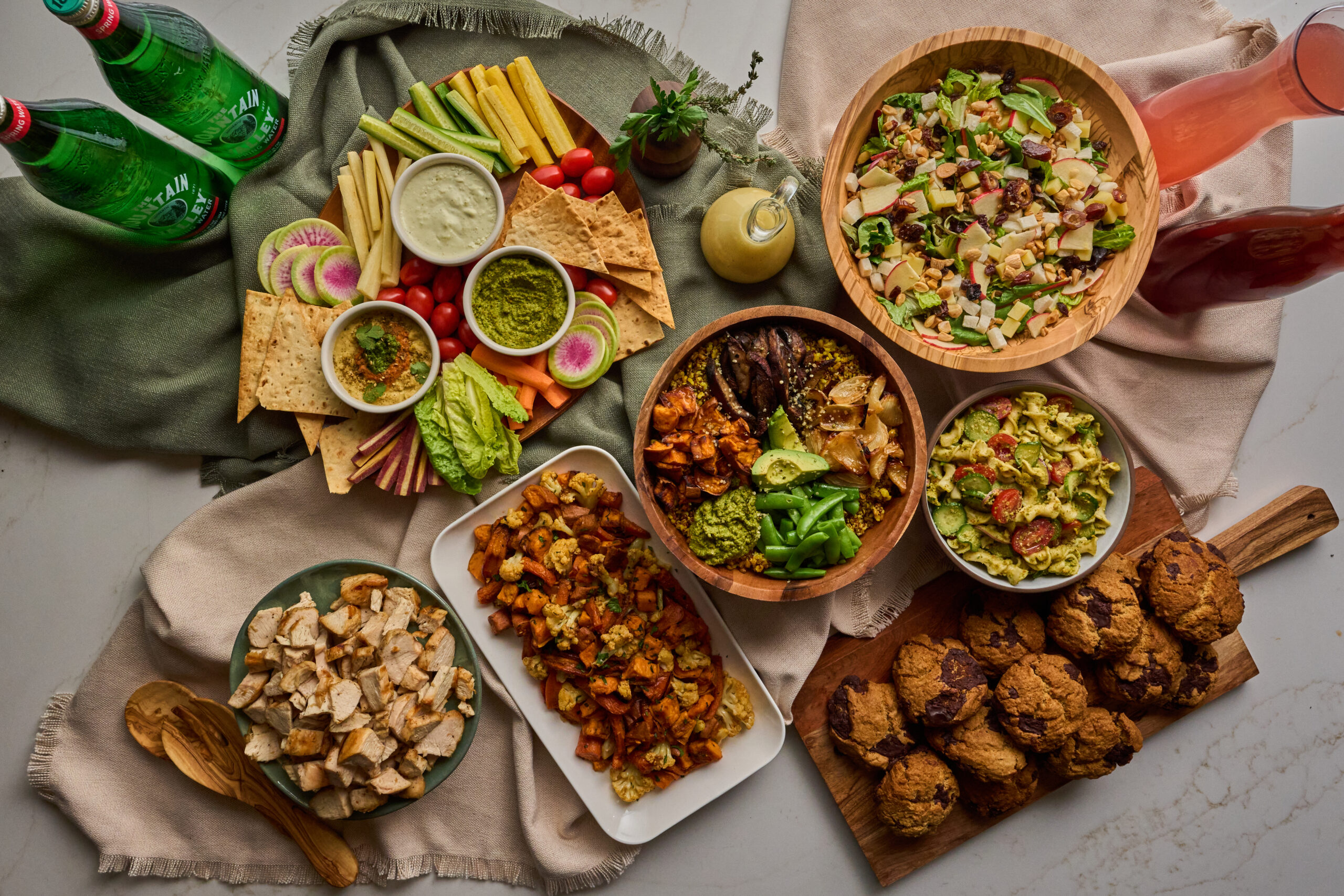
Salads remain among the restaurant’s signature offerings. Rather than simple lettuce-based dishes, these meals often include roasted vegetables, grains, seeds, nuts, legumes, fresh herbs, fruits, and carefully prepared dressings.
Grain bowls have also become customer favorites because they combine proteins, vegetables, healthy carbohydrates, and flavorful sauces into complete meals that provide both nutrition and satisfaction.
Pizza, Burgers, and Sandwiches
Many first-time visitors are surprised to discover pizzas and burgers on the menu. However, these items reflect the restaurant’s philosophy of balance rather than restriction.
Pizzas often feature fresh vegetables, quality cheeses, and lighter crusts, while burgers may include responsibly sourced proteins or plant-based alternatives. Sandwiches similarly emphasize fresh vegetables and wholesome ingredients instead of excessive processing.
Desserts
Healthy restaurants often struggle to create memorable desserts, but the dessert menu aims to provide indulgence in moderation. Seasonal fruits, premium chocolate, natural sweeteners, and carefully balanced recipes allow guests to enjoy dessert without feeling overly heavy afterward.
Seasonal Ingredients Make Every Visit Different
Unlike restaurants that maintain identical menus throughout the year, True Food Kitchen regularly updates its offerings according to seasonal produce availability.
Spring menus often feature asparagus, peas, herbs, and lighter flavors. Summer introduces tomatoes, berries, peaches, and colorful vegetables. Autumn highlights squash, apples, mushrooms, and root vegetables, while winter menus often incorporate hearty greens, citrus fruits, and warming ingredients.
This seasonal rotation keeps the dining experience interesting while allowing chefs to use ingredients when they are naturally at their best.
Dining Experience and Restaurant Atmosphere
Walking into one of the restaurant’s locations usually creates a feeling of freshness and comfort. Large windows, natural lighting, greenery, wood accents, and open dining spaces contribute to an inviting environment.
The atmosphere appeals to many different occasions. Families enjoy relaxed meals together, professionals schedule business lunches, friends meet for casual dinners, and couples appreciate the comfortable yet modern setting.
Staff members are generally knowledgeable about menu ingredients and can often recommend modifications for dietary restrictions, making the experience more accommodating for guests with specific nutritional preferences.
Nutrition and Dietary Flexibility
Health-conscious dining extends beyond simply offering salads. The restaurant provides numerous options for guests with varying nutritional needs.
Many menu items can accommodate:
- Vegetarian lifestyles
- Vegan preferences
- Gluten-conscious dining
- Higher-protein meal choices
- Dairy-sensitive modifications
This flexibility has made the restaurant increasingly attractive as more consumers seek personalized dining experiences that align with their individual health goals.

Pricing Overview
Although prices vary depending on location and seasonal menu updates, the restaurant generally falls within the premium casual dining category.
| Menu Category | Typical Price Range |
|---|---|
| Appetizers | $8–$16 |
| Salads | $13–$19 |
| Bowls | $15–$22 |
| Burgers & Sandwiches | $15–$21 |
| Pizzas | $16–$23 |
| Desserts | $8–$12 |
| Specialty Drinks | $5–$10 |
The pricing reflects ingredient quality, fresh preparation, and seasonal sourcing rather than fast-food convenience.
Sustainability and Responsible Sourcing
Modern diners increasingly care about where their food comes from, and restaurants have responded by emphasizing responsible sourcing practices.
The restaurant places considerable importance on fresh ingredients, seasonal produce, and thoughtful preparation methods. While menu items naturally evolve throughout the year, maintaining ingredient quality remains central to its overall identity.
Reducing unnecessary processing and highlighting naturally flavorful ingredients also supports broader sustainability efforts by encouraging seasonal agriculture and mindful food preparation.
Who Should Visit True Food Kitchen?
The restaurant appeals to a remarkably broad audience. Health-conscious individuals appreciate nutrient-rich meals, while families enjoy diverse menu choices that satisfy different tastes. Fitness enthusiasts often value the protein-rich options, and vegetarians benefit from the variety of plant-based dishes available.
Even diners who do not specifically follow healthy eating habits often enjoy the restaurant because the food emphasizes flavor first rather than making wellness feel restrictive. This balanced approach helps create an enjoyable experience for nearly everyone at the table.
How True Food Kitchen Continues to Evolve
The restaurant continues adapting to changing consumer preferences by expanding digital ordering, improving takeout packaging, introducing new seasonal recipes, and refining existing favorites. Increasing interest in plant-based dining, sustainability, and wellness has positioned the brand well for continued growth.
Technology has also become an important part of the customer experience. Online ordering, loyalty programs in participating markets, and convenient pickup options help meet the expectations of today’s busy diners while maintaining food quality.
Frequently Asked Questions
Is True Food Kitchen suitable for vegetarians?
Yes. The menu includes numerous vegetarian dishes ranging from salads and grain bowls to pizzas, appetizers, and desserts. Many items can also be customized according to dietary preferences, making it a popular choice for vegetarian diners.
Does True Food Kitchen offer vegan options?
Yes. Vegan guests can typically choose from several dedicated menu items or request modifications to certain dishes. Seasonal menus frequently introduce additional plant-based selections using fresh vegetables, legumes, grains, and dairy alternatives where appropriate.
Is the restaurant family-friendly?
Absolutely. Although the restaurant emphasizes healthy ingredients, the menu includes familiar favorites that appeal to children and adults alike. The welcoming atmosphere also makes it suitable for family lunches, dinners, and celebrations.
Are seasonal menus available throughout the year?
Yes. One of the defining characteristics of the restaurant is its rotating seasonal menu. Ingredients and recipes change regularly to reflect produce availability, giving returning guests new flavors and dishes to enjoy.
Is True Food Kitchen more expensive than fast-casual restaurants?
Generally, yes. Prices are higher because of fresh ingredients, seasonal sourcing, and made-from-scratch preparation. However, many customers believe the quality, freshness, and overall dining experience justify the additional cost.
Conclusion
As healthy dining continues to grow in popularity, True Food Kitchen has established itself as a leading destination for people seeking flavorful meals made with fresh, seasonal ingredients. Its balanced approach to nutrition, welcoming atmosphere, diverse menu, and commitment to quality have helped distinguish it from traditional casual dining restaurants.
Whether you’re interested in vibrant salads, satisfying grain bowls, handcrafted pizzas, nutritious desserts, or simply a dining experience that prioritizes wellness without sacrificing taste, True Food Kitchen offers something for nearly every type of guest. By continuously evolving its seasonal menu while remaining committed to fresh ingredients and thoughtful preparation, the restaurant remains one of the most respected names in health-focused dining in 2026.
Read More:-Kitchen Aid: A Complete Guide to the Best Kitchen Appliances