
Sustainability and cost savings tend to go hand in hand when it comes to home upgrades. The following changes reduce your household’s environmental footprint while also lowering your monthly utility bills, making them some of the most worthwhile investments a homeowner can make, particularly given how quickly electricity and water costs have risen in most Indian cities in recent years.
Switch to LED Lighting Throughout
LED lighting uses a fraction of the electricity that traditional bulbs consume and lasts considerably longer, which means fewer replacements and lower energy bills. It’s one of the simplest sustainable upgrades available, and the payback period is usually just a few months, making it one of the easiest decisions in any home upgrade plan, regardless of budget.
Install Energy-Efficient Windows
Double-glazed or UPVC windows improve insulation significantly, keeping interiors cooler in summer and warmer in winter. This reduces dependence on air conditioning and heating, which are typically among the largest contributors to household electricity bills, particularly in regions with extreme seasonal temperatures. The upfront cost is higher than most other upgrades on this list, but the ongoing savings compound meaningfully over several years of ownership.
Upgrade to Efficient Water Pumps
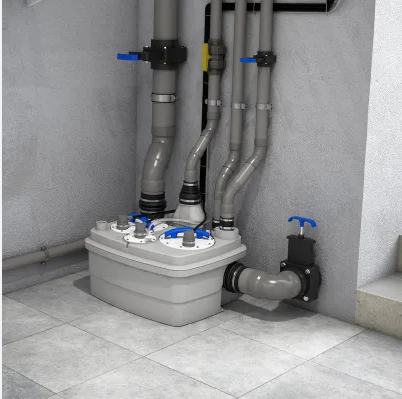
Older water pumps and lifting stations often consume significantly more electricity than modern equivalents, and they tend to run louder and require more frequent maintenance too. Replacing outdated equipment with an efficient modern pump, from the broader lifting station range of options, reduces both your electricity consumption and your long-term maintenance costs, making it a sustainable upgrade that pays for itself over time rather than remaining a purely environmental gesture.
Fix Leaks and Inefficient Drainage
A slow leak or an inefficient drainage system doesn’t just waste water, it often means pumps and appliances are working harder than necessary, consuming more electricity in the process. Addressing these issues, sometimes with something as straightforward as upgrading to a dependable pump such as the Sanicom 1, improves overall system efficiency and cuts unnecessary utility costs, while also reducing the wear and tear that leads to more frequent repairs down the line.
Harvest Rainwater Where Feasible
For homes with adequate roof or terrace space, a simple rainwater harvesting setup can meaningfully reduce dependence on municipal or tanker water supply, particularly for non-drinking uses like gardening or cleaning. Even a modest system pays for itself over a few monsoon seasons in most Indian cities, and many municipalities now offer incentives that further shorten the payback period.
Commit to Regular Maintenance
Sustainability isn’t just about new equipment, it’s also about keeping existing systems running efficiently. Regular servicing of your water pump, HVAC system, and electrical panels prevents small inefficiencies from quietly inflating your utility bills over time, and it extends the lifespan of the equipment you’ve already invested in, which is itself a form of sustainability that’s easy to overlook.
Insulate Water Heating Systems
Water heaters, whether geysers or centralized systems, lose a surprising amount of energy through heat dissipation if left uninsulated. A simple insulating jacket around the tank and insulated piping for hot water lines reduces the energy required to maintain temperature, which translates directly into lower electricity bills, particularly in homes that rely on water heating throughout the day. It’s a low-cost upgrade that’s frequently overlooked despite offering one of the quicker payback periods on this list.
Consider Solar Water Heating for Long-Term Savings
In most parts of India, solar water heaters are a genuinely practical option given the amount of sunlight available year-round. While the upfront installation cost is higher than a conventional geyser, the reduction in electricity consumption for hot water, often one of the larger recurring costs in an Indian household, can make up the difference within a few years. Many state electricity boards and municipal bodies also offer subsidies or rebates for solar installations, which shortens the payback period further and makes this one of the more impactful sustainable upgrades available to homeowners.
Final Thoughts
Cutting utility bills sustainably comes down to a mix of smarter materials, better insulation, and efficient core infrastructure, particularly your home’s water and drainage systems, which are easy to overlook but have a real, measurable impact on both your environmental footprint and your monthly expenses.