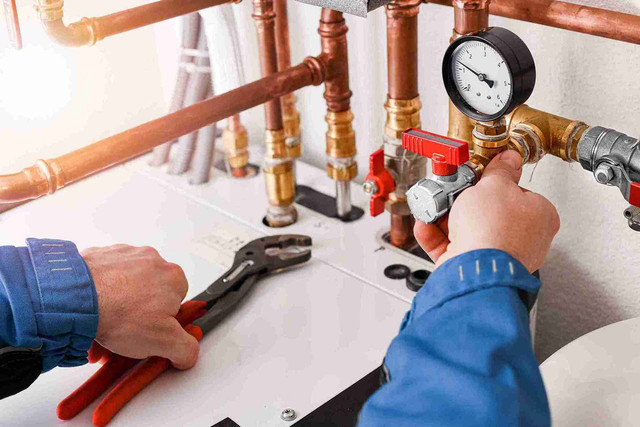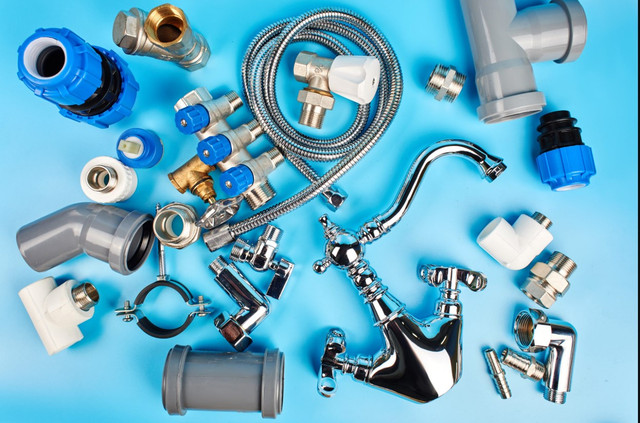

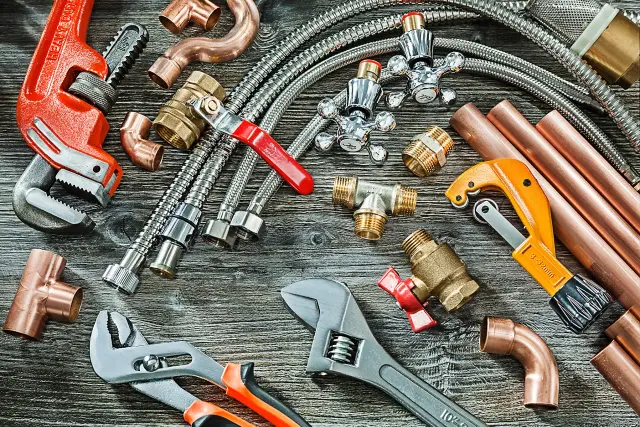
Whether you are constructing a new home, renovating an old building, or repairing a leaking pipe, choosing the right plumbing materials is essential for a reliable water supply and drainage system. High-quality materials improve durability, reduce maintenance costs, and ensure safe water transportation throughout the building. Modern plumbing has evolved significantly over the years, offering homeowners and contractors numerous options that suit different budgets and applications. Understanding the characteristics of each material helps prevent future plumbing issues and ensures long-lasting performance. From water supply lines to drainage systems, selecting the appropriate pipes, fittings, valves, and fixtures plays a vital role in the efficiency of any plumbing system. This guide explains the different types of materials used in plumbing, their advantages, disadvantages, maintenance requirements, and practical tips to help you make informed decisions for residential and commercial projects.
What Are Plumbing Materials?
Plumbing materials refer to all the products and components used to install, repair, and maintain water supply, drainage, gas, and waste disposal systems. These include pipes, fittings, valves, faucets, sealants, adhesives, connectors, and accessories that work together to create a functional plumbing network. Every plumbing material is designed for a specific purpose depending on water pressure, temperature, corrosion resistance, and installation requirements. Modern plumbing systems combine traditional materials like copper with advanced options such as PEX and CPVC to achieve better performance and lower maintenance costs. Selecting the correct material is important because using an unsuitable product can result in leaks, corrosion, reduced water quality, and expensive repairs. Professional plumbers evaluate environmental conditions, building codes, and project budgets before choosing materials that provide maximum durability and efficiency for both residential and commercial installations.
Why Choosing Quality Plumbing Materials Matters
Investing in quality plumbing products provides long-term value by minimizing repairs and ensuring uninterrupted water flow. Cheap or low-grade components may initially save money, but they often fail prematurely, resulting in water damage and costly replacements. Good-quality pipes resist corrosion, maintain water quality, and withstand pressure fluctuations more effectively than inferior alternatives. Reliable fittings and valves reduce the risk of leaks while extending the life of the entire plumbing system.
Quality materials also improve energy efficiency by minimizing heat loss in hot water lines and maintaining consistent water pressure. In commercial buildings, durable plumbing systems reduce downtime and maintenance expenses, making them a smart investment. Whether installing a small residential bathroom or a large industrial pipeline, using trusted materials significantly increases the safety, reliability, and lifespan of the entire plumbing infrastructure.
Common Types of Plumbing Materials
Several materials are commonly used in modern plumbing systems, each offering unique benefits depending on the application.
Copper Pipes
Copper has been one of the most trusted plumbing materials for decades because of its durability and corrosion resistance. It performs exceptionally well in both hot and cold water systems and can last for several decades with proper maintenance.
PVC Pipes
PVC pipes are lightweight, affordable, and easy to install. They are commonly used for drainage, waste disposal, and vent systems because they resist chemicals and corrosion.
CPVC Pipes
CPVC is an improved version of PVC that can handle higher temperatures, making it suitable for residential hot and cold water supply systems.
PEX Pipes
PEX piping has become increasingly popular due to its flexibility and simple installation process. It requires fewer fittings, reducing potential leak points while offering excellent freeze resistance.
Galvanized Steel Pipes
Older buildings often contain galvanized steel pipes. Although strong, they may corrode internally over time and are gradually being replaced with modern alternatives.
Comparison of Popular Plumbing Materials
| Material | Best Use | Advantages | Limitations |
|---|---|---|---|
| Copper | Water supply | Durable, corrosion-resistant | Higher cost |
| PVC | Drainage systems | Affordable, lightweight | Not suitable for hot water |
| CPVC | Hot and cold water | Heat resistant | Can become brittle over time |
| PEX | Residential water lines | Flexible, quick installation | Sensitive to prolonged UV exposure |
| Galvanized Steel | Older plumbing systems | Strong and durable | Corrosion over time |
Essential Plumbing Components Besides Pipes
A plumbing system involves much more than pipes alone. Various supporting components ensure efficient operation and reliable performance throughout the building.
Some important components include:
- Pipe fittings and connectors
- Ball valves and gate valves
- Faucets and taps
- Shower mixers
- Drain traps
- Flexible hoses
- Pipe clamps and supports
- Thread seal tape
- Pipe insulation
- Water filters and pressure regulators
Each component contributes to the overall efficiency and safety of the plumbing network. Even the highest-quality pipes cannot perform effectively without properly matched fittings and valves that maintain secure, leak-free connections.
Factors to Consider Before Selecting Plumbing Materials
Choosing the right plumbing products requires careful planning rather than simply selecting the cheapest option available. Water quality, pressure levels, local climate, installation location, maintenance requirements, and expected lifespan all influence the ideal material for a project. Hot water applications require heat-resistant materials such as CPVC or copper, while underground drainage systems typically use PVC because of its chemical resistance and affordability.
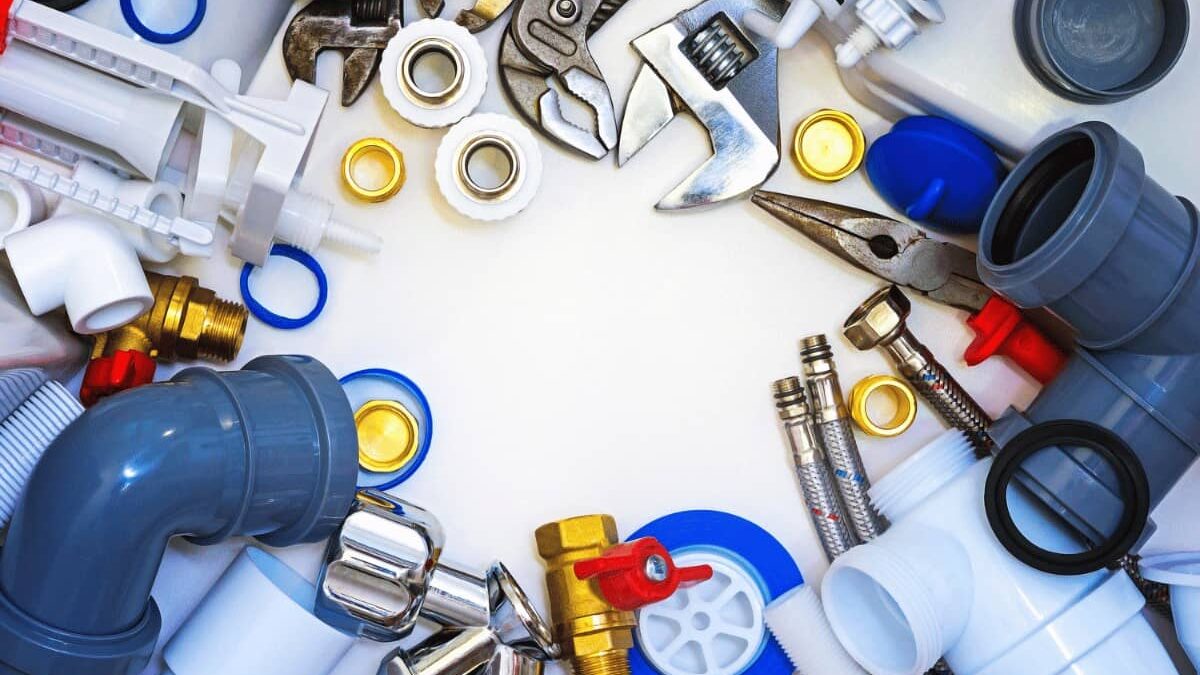
Homeowners should also consider future repair costs and the availability of replacement parts. Local building regulations may specify approved materials for different applications, making compliance an important consideration. Environmental factors such as freezing temperatures, soil conditions, and exposure to sunlight also affect long-term performance. Evaluating these factors helps create a plumbing system that remains efficient, durable, and cost-effective for many years.
Maintenance Tips for Long-Lasting Plumbing Systems
Even the best plumbing installation requires regular maintenance to maximize its lifespan. Periodic inspections allow homeowners to detect leaks, corrosion, loose fittings, or pressure issues before they become major problems. Cleaning drains regularly prevents blockages that may damage pipes over time. Water pressure should remain within recommended limits to reduce unnecessary stress on plumbing components. In colder climates, insulating exposed pipes helps prevent freezing and bursting during winter. Replacing worn washers, seals, and valves promptly minimizes water waste and protects nearby structures from moisture damage. Avoid flushing inappropriate materials into drains, as these can cause severe blockages and increase maintenance expenses. Scheduling professional inspections every few years ensures hidden problems are identified early, extending the service life of the entire plumbing system while maintaining optimal performance.
Latest Trends in Modern Plumbing Materials
The plumbing industry continues to evolve with innovations that improve durability, sustainability, and installation efficiency. Flexible piping systems have become increasingly popular because they reduce labor costs and simplify complex installations. Eco-friendly products made from recyclable materials are gaining attention as homeowners seek environmentally responsible construction options. Smart plumbing technology, including leak detection sensors and automatic shut-off valves, helps prevent water damage and conserve resources. Improved manufacturing techniques have also enhanced pipe strength while reducing overall weight, making transportation and installation easier. Water-saving fixtures such as efficient faucets, showerheads, and dual-flush toilets complement modern plumbing systems by reducing consumption without sacrificing performance. These innovations continue to transform residential and commercial plumbing, offering greater convenience, lower maintenance requirements, and improved environmental sustainability.
Common Mistakes to Avoid When Buying Plumbing Materials
Many homeowners make purchasing decisions based solely on price, overlooking factors that determine long-term performance. One common mistake is mixing incompatible materials, which can accelerate corrosion and reduce system reliability. Another error involves selecting pipes that cannot withstand the required water pressure or temperature. Buying low-quality fittings often results in leaks, even when premium pipes are used. Ignoring local plumbing codes may require expensive modifications later during inspections. Incorrect pipe sizing can reduce water flow and increase pressure problems throughout the property. Failing to account for future maintenance and accessibility also creates unnecessary repair challenges. Taking time to understand project requirements and consulting experienced professionals helps avoid these costly mistakes while ensuring a durable and efficient plumbing installation.
Conclusion
Selecting the right plumbing materials is one of the most important decisions in any construction or renovation project. High-quality pipes, fittings, valves, and fixtures ensure efficient water distribution, minimize maintenance costs, and increase the lifespan of the entire plumbing system. Modern materials such as PEX, CPVC, PVC, and copper each offer distinct advantages for different applications, making it essential to understand their characteristics before making a purchase. Proper installation, routine maintenance, and adherence to building standards further enhance system reliability and performance. Whether you are a homeowner planning a renovation or a contractor managing a large construction project, investing in durable materials pays off through improved efficiency, reduced repairs, and long-term peace of mind. Careful planning today ensures a plumbing system that performs safely and efficiently for decades to come.