
Introduction
A well-planned modular kitchen design has become an essential element in contemporary homes. Modern homeowners are no longer satisfied with kitchens that simply serve the purpose of cooking. Today, the kitchen is considered the heart of the home, where family members gather, conversations take place, and memorable moments are created. This shift in perspective has increased the popularity of modular kitchens due to their convenience, flexibility, and aesthetic appeal.
Unlike traditional kitchens, modular kitchens consist of pre-manufactured units or modules that fit together seamlessly. These modules include cabinets, shelves, drawers, and storage units designed to maximize efficiency while enhancing the visual appeal of the space. A thoughtfully planned modular kitchen design combines practicality with elegance, ensuring that every inch of available space is utilized effectively. Whether for compact apartments or spacious villas, modular kitchens offer customized solutions that cater to different lifestyles and preferences.
Understanding the Concept of Modular Kitchens

The growing demand for modular kitchen design reflects changing consumer preferences toward organized and efficient living spaces. A modular kitchen is created using factory-made components that can be assembled and installed according to the dimensions of a specific kitchen area. This approach provides flexibility in terms of design, layout, color schemes, and storage options.
One of the major advantages of modular kitchens is their adaptability. Homeowners can choose from a wide range of materials, finishes, and configurations to match their interior themes. In addition, modular systems simplify maintenance because damaged components can often be repaired or replaced without affecting the entire structure. This convenience has made modular kitchens a preferred choice among urban families seeking functionality without compromising on style. The ability to personalize every aspect of the kitchen contributes significantly to the appeal of a well-executed modular kitchen design.
Popular Layouts for Modular Kitchen Design
Choosing the right layout is crucial to the success of any modular kitchen design. The layout determines workflow efficiency, accessibility, and overall user comfort. Different layouts cater to varying room sizes and household needs.
The L-shaped kitchen remains one of the most popular choices because it efficiently utilizes corner spaces while providing an open environment. U-shaped kitchens are ideal for larger homes, offering abundant storage and countertop space. Parallel kitchens, also known as galley kitchens, work exceptionally well in narrow areas where maximum functionality is required.
Island kitchens have gained popularity among homeowners who enjoy entertaining guests while cooking. The addition of a central island creates extra workspace and serves as a social hub within the home. Straight-line kitchens, commonly found in studio apartments, provide a minimalist solution for compact living spaces. Selecting an appropriate layout ensures that the modular kitchen design aligns perfectly with the available space and the family’s daily routines.
Importance of Storage Solutions
Storage plays a vital role in determining the practicality of a kitchen. One of the defining characteristics of a successful modular kitchen design is the incorporation of intelligent storage solutions that minimize clutter and improve accessibility.
Modern modular kitchens feature pull-out drawers, corner carousel units, tall pantry cabinets, cutlery organizers, and overhead storage systems. These features enable homeowners to categorize kitchen essentials systematically, reducing the time spent searching for items during meal preparation. Vertical storage options maximize available space, particularly in smaller kitchens where every inch matters.
Customized storage solutions also enhance safety by ensuring that sharp utensils, cleaning products, and fragile items are stored securely. Efficient organization contributes to a cleaner and more visually appealing environment. By prioritizing innovative storage features, homeowners can significantly improve the usability and longevity of their modular kitchen design.
Choosing the Right Materials and Finishes
The durability and appearance of a modular kitchen largely depend on the materials selected during the planning stage. A high-quality modular kitchen design balances visual appeal with long-term performance.
Engineered wood, plywood, medium-density fiberboard, and particle board are commonly used for cabinet construction. Each material offers distinct advantages related to cost, moisture resistance, and durability. Surface finishes such as laminates, acrylics, membrane coatings, and lacquered glass contribute to the kitchen’s overall aesthetic.
Countertop materials, including granite, quartz, and solid surfaces, should be chosen based on maintenance requirements and lifestyle preferences. Hardware components like hinges and drawer channels also influence the functionality of the kitchen. Investing in premium materials ensures that the modular kitchen withstands daily wear and tear while retaining its attractive appearance for years to come.
Latest Trends in Modular Kitchen Design

As interior design trends evolve, homeowners seek kitchens that reflect contemporary lifestyles. Modern modular kitchen design trends emphasize simplicity, efficiency, and personalization.
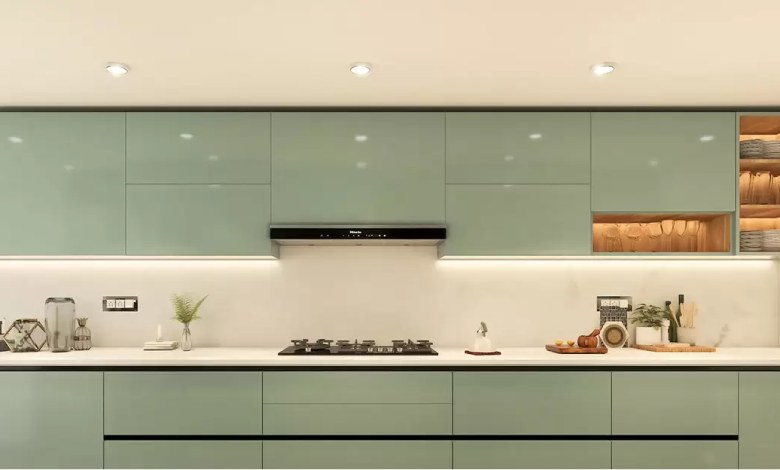
Minimalist aesthetics featuring clean lines and handleless cabinets have become increasingly popular. Neutral color palettes combined with natural textures create sophisticated environments that feel welcoming and timeless. Smart kitchen technologies, including sensor-operated lighting and integrated appliances, are also reshaping kitchen experiences.
Sustainable design practices have influenced material choices, with many consumers opting for eco-friendly alternatives. Open shelving, glass-front cabinets, and multifunctional islands continue to gain traction due to their practical and decorative value. Incorporating these trends allows homeowners to create kitchens that are both fashionable and highly functional, ensuring that their investment remains relevant over time.
Benefits of Investing in a Modular Kitchen
There are numerous reasons why homeowners are choosing modular solutions over traditional setups. One significant advantage of a modular kitchen design is the speed of installation. Since components are manufactured in advance, on-site assembly is relatively quick and efficient.
Another benefit is customization. Homeowners can tailor the kitchen according to their cooking habits, storage requirements, and aesthetic preferences. Modular kitchens also support better space utilization, making them suitable for homes of all sizes.
Maintenance is simpler because individual modules can often be repaired or replaced independently. Furthermore, the organized structure of modular kitchens promotes cleanliness and reduces clutter. These advantages collectively contribute to improved convenience, comfort, and overall satisfaction, making modular kitchens a worthwhile investment for modern households.
Factors to Consider Before Planning a Modular Kitchen
Proper planning is essential for achieving a successful modular kitchen design. Homeowners should begin by assessing their available space and identifying their specific needs. The number of family members, cooking frequency, and storage expectations should all influence design decisions.
Budget considerations are equally important. Establishing realistic financial parameters helps prioritize essential features while avoiding unnecessary expenses. Appliance placement should support efficient movement within the kitchen, following the principles of the work triangle involving the sink, stove, and refrigerator.
Adequate lighting and ventilation are crucial for creating a comfortable environment. Consulting experienced professionals can provide valuable insights regarding layout optimization, material selection, and installation techniques. Thorough planning minimizes potential challenges and ensures that the final design aligns with practical requirements and aesthetic aspirations.
Conclusion
The evolution of kitchen interiors has transformed the way homeowners perceive this essential space. A thoughtfully executed modular kitchen design offers the perfect combination of functionality, efficiency, and visual appeal. From intelligent storage systems and customizable layouts to contemporary finishes and smart technologies, modular kitchens address the diverse needs of modern families.
Whether renovating an existing home or planning a new residence, investing in a modular kitchen can significantly enhance everyday living experiences. By carefully considering layout options, material choices, and lifestyle requirements, homeowners can create a kitchen that reflects their personality while supporting their daily activities. As design trends continue to evolve, modular kitchens remain a practical and stylish solution that adds lasting value to any home.