
Installing a new roof is one of the most significant investments you will make in your home’s long-term value and protection. A roof replacement is not merely about aesthetic appeal; it is a complex construction project that requires careful planning, material selection, and expert execution.
By approaching this project with a structured mindset and prioritizing quality over cost-cutting, you can ensure that your home remains safe, dry, and energy-efficient for decades to come.
Expert Strategies for Superior Roofing
The first phase of a successful roofing project involves meticulous preparation. Before any materials are ordered, you must conduct a thorough assessment of your existing roof deck.
Professional contractors should inspect the plywood sheathing for signs of rot, water damage, or structural sagging.
Replacing compromised decking is vital, as it provides the solid foundation necessary for your new shingles to adhere properly. Taking the time to address these structural issues now prevents expensive complications later.
Planning for High-Quality Residential Roofing
When selecting materials for your residential roofing project, consider the specific climate conditions of your region. Whether you choose asphalt shingles, metal panels, or durable slate, each material has distinct requirements for underlayment and ventilation.
High-quality materials, while potentially more expensive upfront, often offer better warranties and superior resistance to wind, fire, and impact.
Consult with reputable suppliers to understand the performance ratings of different options before making a final commitment to a specific product.
Hiring Experienced Professional Installers
The quality of your installation is arguably more important than the brand of materials used. A high-end roof will fail prematurely if installed by inexperienced or rushed contractors.
Seek out installers who are fully licensed, insured, and possess extensive experience with your chosen roofing material. Ask for references and verify that the company has a track record of completing projects on schedule while maintaining strict adherence to local building codes and safety regulations.
Understanding the Importance of Ventilation
Proper attic ventilation is the silent hero of a long-lasting roof. During the installation process, ensure your contractor includes an effective system of intake and exhaust vents.
These components allow heat and moisture to escape from your attic space. Without adequate airflow, trapped heat can cause shingles to become brittle and crack, while moisture buildup can lead to mold and rot.
A well-ventilated attic effectively regulates temperature, significantly extending the lifespan of your entire roofing system.
Managing Project Timeline and Safety
A roof replacement is disruptive, so clear communication with your contractor is essential. Discuss the project timeline, including potential weather delays, to manage your expectations.
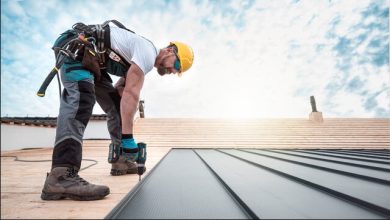
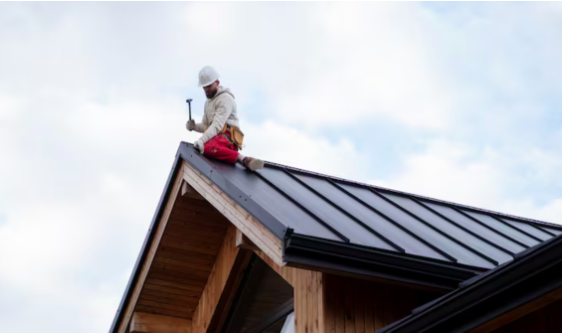
Additionally, safety is paramount during construction. Ensure that the crew uses appropriate safety harnesses, secures the perimeter of the work zone, and cleans up debris consistently.
A professional team will respect your property, protect your landscaping, and ensure that the work environment remains organized throughout the installation process.
Final Inspections and Warranty Registration
Once the installation is complete, do not rush the final payment. Walk around your home with the project supervisor to inspect the workmanship.
Check that all flashing is sealed correctly, shingles are aligned, and the work site is free of stray nails. Finally, ensure that you receive all relevant warranty documentation for both materials and labor.
Registering these warranties promptly protects your investment and provides peace of mind, knowing that your new roof is backed by the manufacturer and the installer.