
What are diy furniture projects?
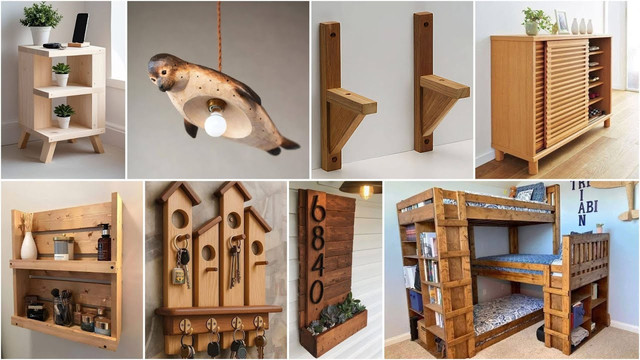
DIY furniture projects are simple woodworking tasks that let you build or customize furniture using affordable materials and basic tools.
Best diy furniture projects
Popular projects include coffee tables, floating shelves, bookshelves, storage benches, and bed frames for every skill level.
How to choose diy furniture projects
Choose a project based on your experience, budget, available tools, and the space you want to furnish.
Introduction
Have you ever looked at a beautiful piece of furniture and wondered why it costs so much? The good news is that creating stylish furniture doesn’t always require a large budget. With a little creativity, some basic woodworking skills, and the right materials, you can build furniture that perfectly suits your home while saving a significant amount of money.
Building your own furniture has become increasingly popular as homeowners look for sustainable, personalized, and cost-effective decorating solutions. Whether you want to maximize storage, create custom pieces that fit awkward spaces, or simply enjoy hands-on projects, making your own furniture offers countless benefits beyond financial savings.
From beginner-friendly shelves to impressive dining tables, modern furniture building is more accessible than ever. Affordable lumber, reclaimed wood, power tools, wood stain, and easy-to-follow plans allow almost anyone to complete projects that look professionally made. The satisfaction of using furniture you built yourself is an added reward that makes every hour worthwhile.
Quick Summary
- Save money while creating customized furniture for your home.
- Start with beginner-friendly projects before attempting larger builds.
- Use quality materials and accurate measurements for better results.
- Focus on safety, durability, and finishing techniques for professional-looking furniture.
Why Choose DIY Furniture Projects
Creating furniture yourself offers more than simple cost savings. Custom-built furniture fits your available space perfectly, allowing you to solve storage challenges that store-bought furniture cannot always address. You also gain complete control over the design, dimensions, finish, and materials.
Many homeowners are also choosing handmade furniture because it supports sustainable living. Reclaimed wood, recycled materials, and refinishing old furniture reduce waste while giving older pieces a completely new life. Instead of replacing damaged furniture, many people restore it with fresh paint, wood stain, or upgraded hardware.
Industry surveys suggest that custom-built furniture often costs 30–60% less than purchasing comparable high-quality handcrafted pieces. Additionally, interest in home improvement and woodworking has steadily increased as more people seek creative hobbies and personalized living spaces.
Best Beginner-Friendly Furniture Ideas
If you’re just getting started, choose projects that require fewer cuts and simple joinery methods. These projects build confidence while teaching essential woodworking techniques.
Popular beginner projects include:
- Floating wall shelves
- Wooden side tables
- Storage benches
- Shoe racks
- Simple bookshelves
These projects usually require only a circular saw, drill, measuring tape, screws, sandpaper, and wood glue, making them accessible for first-time builders.

One-Time Comparison Table
| Project | Difficulty | Estimated Time | Budget |
|---|---|---|---|
| Floating Shelves | Easy | 2–3 Hours | Low |
| Coffee Table | Easy-Medium | 1 Day | Medium |
| Bookshelf | Medium | 1–2 Days | Medium |
| Storage Bench | Medium | Weekend | Medium |
| Bed Frame | Advanced | 2–3 Days | High |
Planning Before You Build
Successful furniture begins long before the first cut. Careful planning reduces mistakes, saves materials, and improves the finished product. Measure your available space multiple times and sketch your design before purchasing supplies.
Selecting the correct lumber is equally important. Hardwood offers excellent durability but costs more, while softwood remains affordable and easier to work with for beginners. Always inspect boards for warping, knots, and cracks before buying.
A detailed cut list and shopping list will help you avoid unnecessary expenses and reduce wasted material.
Essential Tools Every Beginner Needs
A well-equipped workspace doesn’t require expensive professional equipment. Most projects can be completed using a small collection of reliable tools.
Essential tools include:
- Tape measure
- Cordless drill
- Circular saw
- Orbital sander
- Clamps
As your skills improve, you can gradually invest in additional woodworking equipment such as a miter saw, router, or table saw.
Real-Life Example
Sarah recently wanted a console table for her apartment entryway. Similar furniture at retail stores ranged between $250 and $450. Instead, she purchased pine boards, wood screws, wood glue, stain, and protective finish for approximately $95. After one weekend of careful work, she created a sturdy custom console table that perfectly matched her interior design while saving more than half the retail price.
Her project also provided valuable woodworking experience that encouraged her to build additional furniture, including a bookshelf and coffee table.
Materials That Deliver Better Results
Choosing quality materials directly affects durability and appearance. Solid wood remains one of the most reliable options because it withstands years of use and can be refinished multiple times.
Plywood offers excellent stability for cabinets and shelving, while MDF provides smooth surfaces for painted furniture. Reclaimed wood adds unique character and supports environmentally friendly construction.
Finishing products such as polyurethane, wax, paint, or wood stain protect furniture from moisture, scratches, and everyday wear.
Pros and Cons
Pros
- Saves money compared to custom furniture
- Complete design flexibility
- Builds practical woodworking skills
- Allows personalized dimensions and finishes
- Creates a rewarding hobby
Cons
- Requires time and patience
- Initial tool investment
- Mistakes can waste materials
- Advanced projects require greater skill
Expert Tips
- Measure twice before cutting.
- Sand between finishing coats.
- Buy slightly more lumber than required.
- Practice joinery on scrap wood first.
Common Mistakes to Avoid
- Ignoring wood movement.
- Skipping surface preparation.
- Using incorrect screw lengths.
- Applying finish too quickly.
- Rushing measurements.
DIY Furniture Projects for Small Spaces
Compact homes benefit greatly from custom-built furniture because every inch matters. Multipurpose furniture combines storage with functionality while maximizing available floor space.
Consider building wall-mounted desks, under-bed storage drawers, folding dining tables, narrow console tables, or vertical shelving units. These designs improve organization without making rooms feel crowded.
Custom dimensions also eliminate awkward gaps commonly left by standard furniture sizes available in stores.

Who Should Use This
DIY furniture projects are ideal for homeowners, renters with permission to customize their interiors, students furnishing apartments on a budget, woodworking beginners, creative hobbyists, and anyone seeking personalized furniture that fits unique room layouts. Whether your goal is saving money, learning practical skills, or designing one-of-a-kind pieces, these projects offer long-term value and satisfaction.
Frequently Asked Questions
Are diy furniture projects suitable for complete beginners?
Yes. Many simple furniture builds use straightforward designs that teach essential woodworking skills without requiring advanced equipment.
What is the most affordable furniture project?
Floating shelves, side tables, and storage crates are among the least expensive options because they require minimal lumber and hardware.
How can I make homemade furniture look professional?
Careful measuring, thorough sanding, quality finishes, and patience during assembly greatly improve the final appearance.
What finish protects wooden furniture best?
Polyurethane provides excellent protection against scratches, moisture, and everyday wear for most indoor furniture.
Do I need a workshop?
No. Many people successfully build furniture in garages, patios, or small home workspaces with portable tools.
Summary Recap
Building your own furniture combines creativity, practicality, and affordability. By selecting suitable materials, planning carefully, investing in a few essential tools, and practicing fundamental woodworking techniques, you can produce durable furniture tailored to your home. Every completed project increases your confidence while enhancing your living space with unique handmade pieces.
Conclusion
Whether your goal is saving money, developing woodworking skills, or designing one-of-a-kind home décor, diy furniture projects offer endless opportunities for creativity and personalization. Start with simple builds, focus on quality craftsmanship, and gradually tackle larger designs as your experience grows. Every project becomes an investment not only in your home but also in your skills, making handmade furniture a rewarding achievement that can be enjoyed for many years.
Read More:-IKEA Furniture Guide 2026: Stylish & Affordable Home Solutions