
Maintaining a comfortable indoor environment is essential for the wellbeing and productivity of every household. A high-performing climate control system does more than just regulate temperature; it ensures proper air filtration, humidity control, and energy efficiency.
Because these systems are complex and run almost continuously throughout the year, they require a proactive approach to maintenance and strategic upgrades.
By understanding the mechanical requirements of your equipment and knowing when to seek professional intervention, you can ensure that your living space remains a sanctuary of comfort regardless of the external weather conditions.
Maximizing Home Comfort with New Heating and Air Conditioning Installation
When an existing system becomes inefficient or frequently breaks down, the most cost-effective long-term solution is a modern heating and air conditioning installation.
Technological advancements in the industry have led to the development of high-efficiency units that consume significantly less electricity while providing superior airflow.
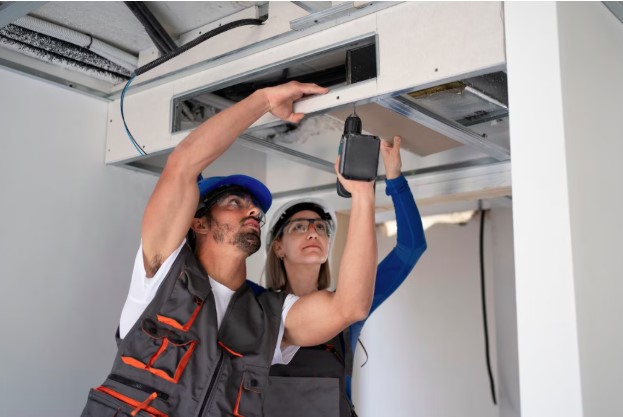
A professional heating and air conditioning installation involves a detailed load calculation to ensure the unit is perfectly sized for your specific square footage.
This precision prevents the system from short-cycling, which reduces wear on the compressor and helps maintain a consistent temperature throughout every room in the house.
Restoring Peak Efficiency Through Expert Air Conditioning Repair
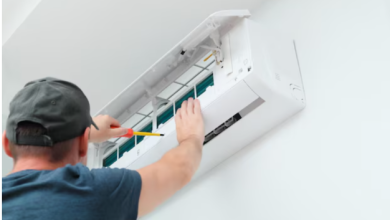
Even the most advanced systems can encounter mechanical issues due to the accumulation of dust or the aging of electrical components. Promptly addressing minor glitches with a professional air conditioning repair service can prevent a total system failure during the peak of summer.
Technicians specialized in air conditioning repair can identify refrigerant leaks, faulty capacitors, or obstructed drainage lines that might be hindering the cooling process.
Regular inspections ensure that the internal coils remain clean and that the motor is properly lubricated, which directly translates to lower utility bills and a quieter operation for the entire household.
Implementing a Strict Filtration Replacement Schedule
One of the simplest yet most effective ways to protect your HVAC system is the regular replacement of air filters. Clogged filters restrict airflow, forcing the motor to work much harder and increasing the risk of overheating.
For homes with pets or individuals sensitive to allergens, upgrading to high-efficiency particulate air filters can dramatically improve indoor air quality.
By checking and changing filters every one to three months, you maintain the structural integrity of the internal blowers and ensure that the air circulating through your home remains fresh and free of microscopic contaminants.
Utilizing Smart Thermostats for Energy Management
Upgrading to a programmable or smart thermostat is a transformative step in modern home management. These devices allow you to create detailed schedules that align with your daily routine, automatically reducing the heating or cooling output when the house is empty.
Many smart thermostats also offer remote access through mobile applications, enabling you to adjust settings from anywhere in the world.
This level of control not only enhances your personal comfort but also contributes to a significant reduction in your annual energy footprint, making your home more sustainable and cost-effective.
Enhancing Thermal Integrity with Insulation and Sealing
A heating and cooling system can only be as effective as the building envelope it serves. To prevent treated air from escaping, it is crucial to inspect the insulation levels in the attic and walls.
Sealing gaps around windows and doors with high-quality weatherstripping or caulk ensures that the internal climate remains stable. By reducing the thermal exchange between the interior and exterior environments, you decrease the workload on your HVAC equipment.
This synergy between mechanical efficiency and structural insulation creates a more durable and comfortable living environment for all residents.