
While making backyard remodels is an exciting process, it is easy to get caught up only thinking about what looks good or costs the least now. Many people have learned that these savings can add up to be costly later on. The best way to go is to make decisions that will save you money over the life of your backyard remodel. Here’s how practical and cost-effective backyard remodeling can save you money in the long run.
Why Saving Money Starts Before Construction Begins
It is essential to plan before any work is done. Most of the best ways to control costs occur early in the process:
- Consider how you will use your backyard in five or ten years, not just next summer.
- Consider what you need and what you can forgo or add later.
- Consider your budget and whether you are thinking about costs now and later.
This planning will help you avoid costly changes down the road and prevent redoing something that wasn’t well thought out.
Durable Outdoor Materials: Spend Once, Save for Years
One of the most important decisions is selecting long-lasting materials. While it may be tempting to select cheaper alternatives, long-lasting materials can help you save a lot:
- Composite decking is more resistant to rot and requires less maintenance than wood.
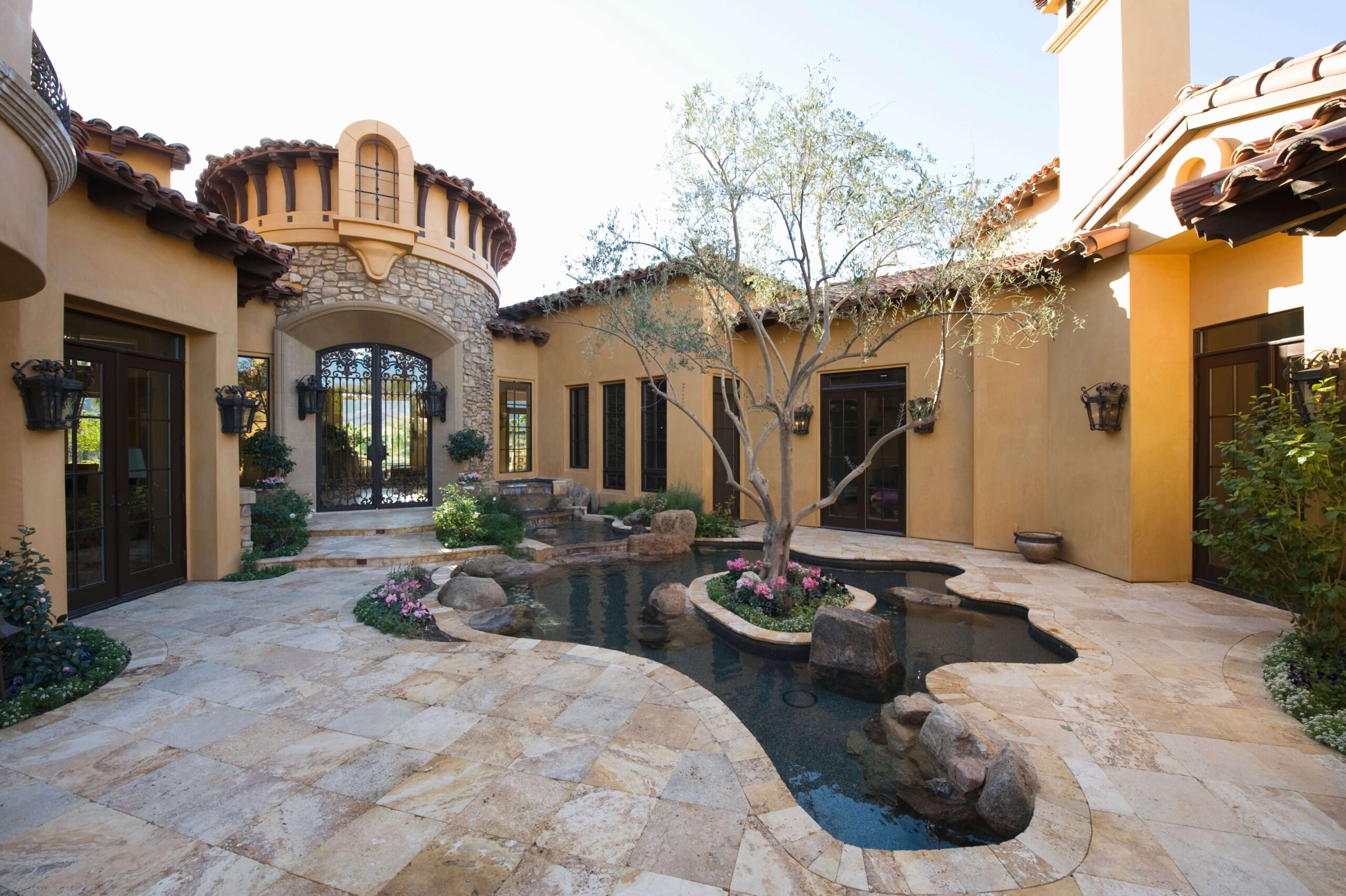
- Pavers or stone patios have a longer lifespan than poured concrete.
- Metal or vinyl fencing can last longer than wood.
These choices may cost more upfront but help save on repairs and replacements.
Long-Term Maintenance Costs Add Up
However, it is easy to forget the amount of money and time required to keep the backyard in good condition. In the long term, the backyard maintenance costs can be a substantial part of your annual budget. The grass in the backyard needs to be mowed, the wood in the deck needs to be sealed, and some plants need to be maintained. By choosing low-maintenance design features and materials, you can reduce the maintenance costs. This not only reduces costs but also makes the backyard more enjoyable.
Phased Remodeling: Break Projects Into Stages
You don’t have to do everything at once. Remodeling in phases means that you can break the cost and the work into smaller, manageable pieces over several months or even years. For example:
- Big structures like patios or decks come first.
- Landscaping, lighting, or even an outdoor kitchen can come next.
- Try out different ideas as your needs change, instead of feeling locked into one big idea.
Remodeling in phases can also help you avoid costly mistakes, since you can see how everything works in real life before moving on to the next phase.
Construction Planning Decisions Save Time and Money
The way your project is built is equally significant to the project being built. Good construction planning means:
- Ensuring proper drainage so that water does not ruin your yard or house.
- Providing easy access to utilities like water and electricity.
- Setting up the site so that changes are easy to make.
These decisions can help you save money by preventing problems and making changes easy. Companies like Way To Go Builders LA are also focused on layout planning and making decisions that can help reduce costs years after the initial construction is complete.
Upfront vs Lifetime Costs: Looking Beyond Day One
Sometimes, the cheapest option available today may not be the best option for the long run. Let’s take a look at some examples:
- Cheap stones for patios may not last long and might need to be replaced sooner.
- Cheap lighting options might not last long and might require more electricity.
When you compare upfront vs lifetime costs, you can make smarter choices that save money over many years.
Efficient Layout Planning Prevents Rework
Having a good layout can also reduce costs by making your backyard easier to use and maintain. Proper planning of the layout can:
- Position the patios and walkways in the most-walked places.
- Avoid the use of odd shapes to reduce space wastage.
- Organize the backyard in such a way that everything is grouped for easier maintenance.
Low-Maintenance Design Reduces Hidden Expenses
Maintenance is one of the hidden costs of owning a backyard. A well-planned low-maintenance design can reduce the amount you spend on maintenance:
- Select plants that do not need much water and pruning.
- Install a mulch or ground cover to reduce the need to weed.
- Reduce the number of hard-to-reach places to reduce cleaning costs.
Replacement Cycles: Plan for the Long Haul
Each element of the backyard has a replacement cycle. This means there is a certain amount of time before it will need to be repaired or replaced. Knowing these cycles helps you avoid unexpected expenses.
- Be aware of the lifespan of your deck, fence, and lighting systems.
- Ensure that you pick elements that may be replaced individually rather than collectively.
- Have spare materials ready to enable small repairs.
By being aware of the replacement cycles of elements in your backyard, you will avoid unexpected expenses and ensure that it always looks great.
Smart Choices Help You Avoid Unplanned Expenditure
Making smart choices during your backyard remodeling can help you avoid unforeseen costs later on. For instance, leaving space for future features means you won’t have to tear up existing patios and lawns. Additionally, selecting materials that can withstand local weather conditions means you’ll replace them less often. These simple steps enable you to cover unexpected expenses for repairs, replacements, and modifications that you could avoid with a little planning and smart decision-making.
Smart and cost-effective backyard remodeling involves smart choices that will pay off long after the project is completed.