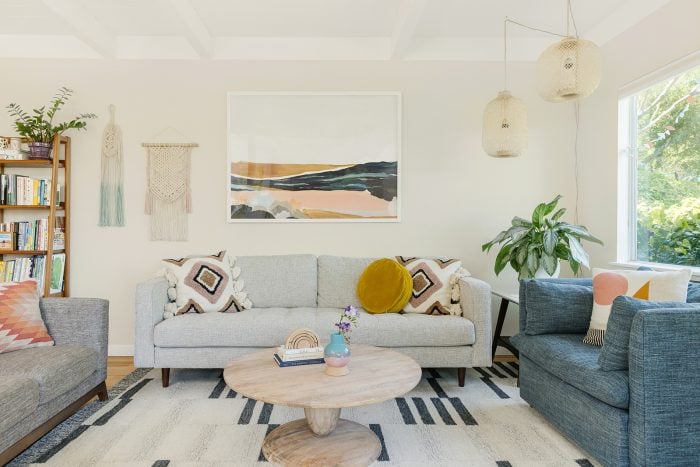
What is Interior Design – Complete Guide to Interior Design Concepts, Styles, and Benefits


Introduction
Interior design is the art and science of enhancing indoor spaces to make them functional, aesthetically pleasing, and comfortable for people. It involves planning layouts, selecting color schemes, arranging furniture, choosing décor, and optimizing lighting to create visually appealing and practical environments. The concept of interior design goes beyond decoration — it focuses on improving how people interact with their surroundings while balancing beauty and usability.
In modern homes, offices, hotels, and commercial spaces, interior design plays a crucial role in creating environments that reflect personality, purpose, and lifestyle. From selecting textures and materials to organizing space efficiently, interior design combines creativity with technical knowledge to transform ordinary spaces into extraordinary experiences.
This comprehensive guide explains what interior design is, its importance, principles, types, styles, benefits, and how it shapes modern living.
Understanding Interior Design

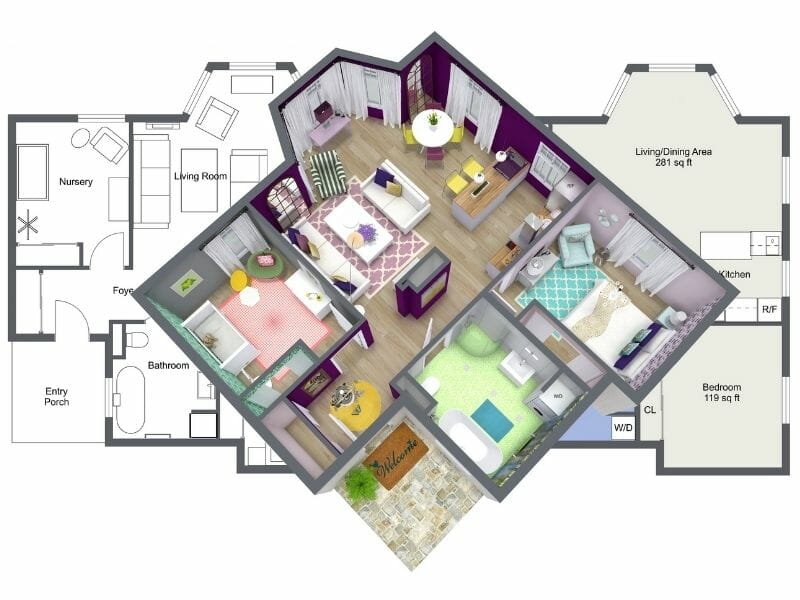

Interior design is a multidisciplinary field that blends architecture, decoration, psychology, and spatial planning. It focuses on creating environments that are not only visually attractive but also efficient and comfortable.
At its core, interior design includes:
-
Space planning and layout management
-
Color coordination and theme development
-
Furniture selection and arrangement
-
Lighting design
-
Texture and material selection
-
Decorative elements and accessories
Professional designers consider structural elements, user behavior, safety standards, and environmental factors while designing interiors.
The main goal of interior design is to enhance the quality of life within a space by improving functionality, comfort, and visual appeal.
History and Evolution of Interior Design

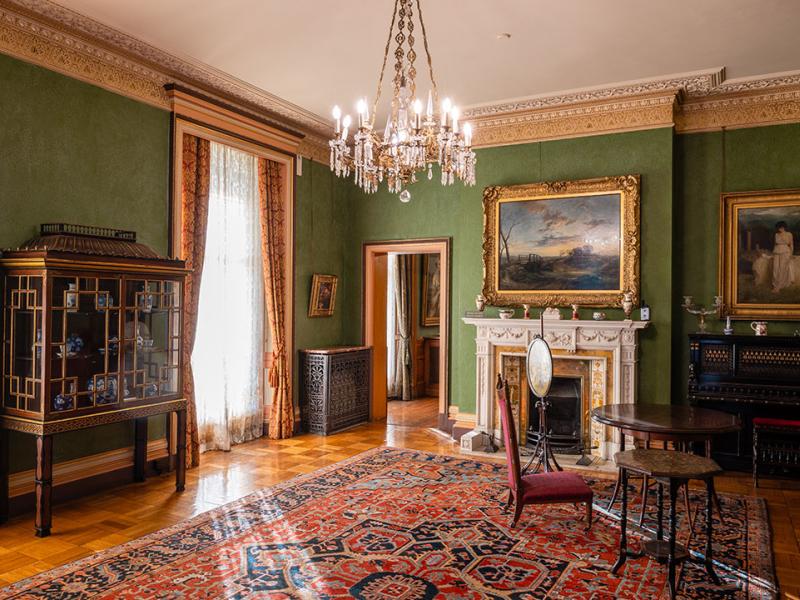

Interior design has existed for centuries, evolving with cultural and technological changes. Ancient civilizations like Egypt and Rome decorated homes with murals, furniture, and architectural details. Over time, different design movements shaped modern interiors.
A major influence came from the Bauhaus design movement, which emphasized simplicity, functionality, and minimalism. Today’s interior design reflects a mix of traditional craftsmanship and modern innovation.
Modern interior design focuses on sustainability, smart homes, ergonomic layouts, and personalized aesthetics.
Key Elements of Interior Design
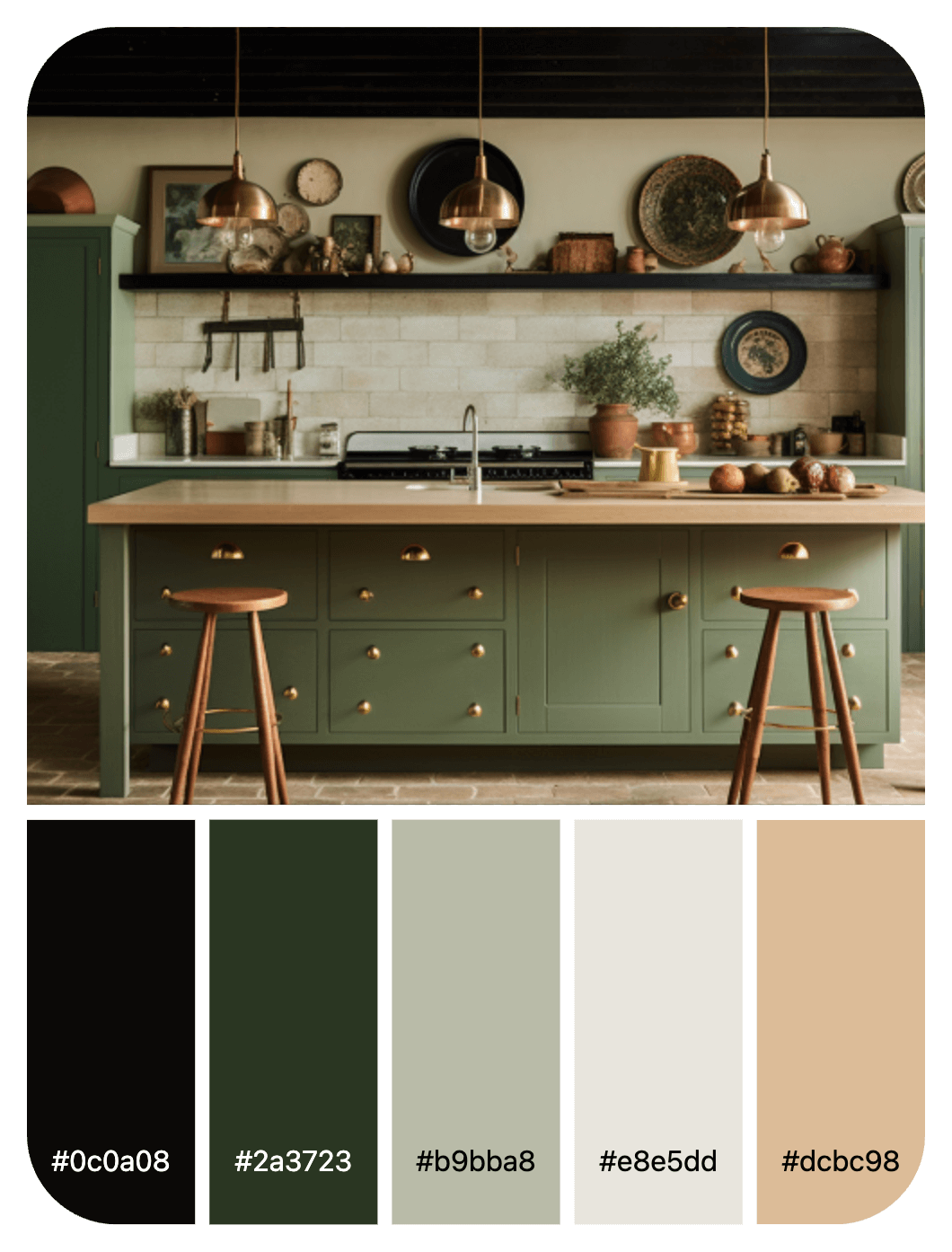

Interior design relies on several fundamental elements that work together to create a cohesive space.
1. Space
Space is the foundation of any design. Designers work with available space to ensure proper movement, functionality, and balance.
2. Color
Colors influence mood and perception. Light colors create openness, while dark shades add warmth and elegance.
3. Lighting
Lighting enhances atmosphere and usability. It includes natural light, ambient lighting, and task lighting.
4. Texture
Texture adds depth and character through materials like wood, glass, metal, or fabric.
5. Furniture
Furniture determines comfort and functionality while shaping the overall look.
6. Patterns and Decor
Patterns and decorative items personalize a space and enhance visual appeal.
These elements help professionals create effective interior design solutions for different environments.
Principles of Interior Design
Interior design follows specific principles that ensure harmony and balance.
| Principle | Description | Purpose |
|---|---|---|
| Balance | Equal distribution of visual weight | Creates stability |
| Harmony | Consistency in design elements | Enhances unity |
| Contrast | Combining different elements | Adds interest |
| Rhythm | Repetition of patterns | Guides visual flow |
| Proportion | Correct size relationships | Improves aesthetics |
| Emphasis | Creating focal points | Draws attention |
These principles guide designers in creating visually pleasing interiors.
Types of Interior Design


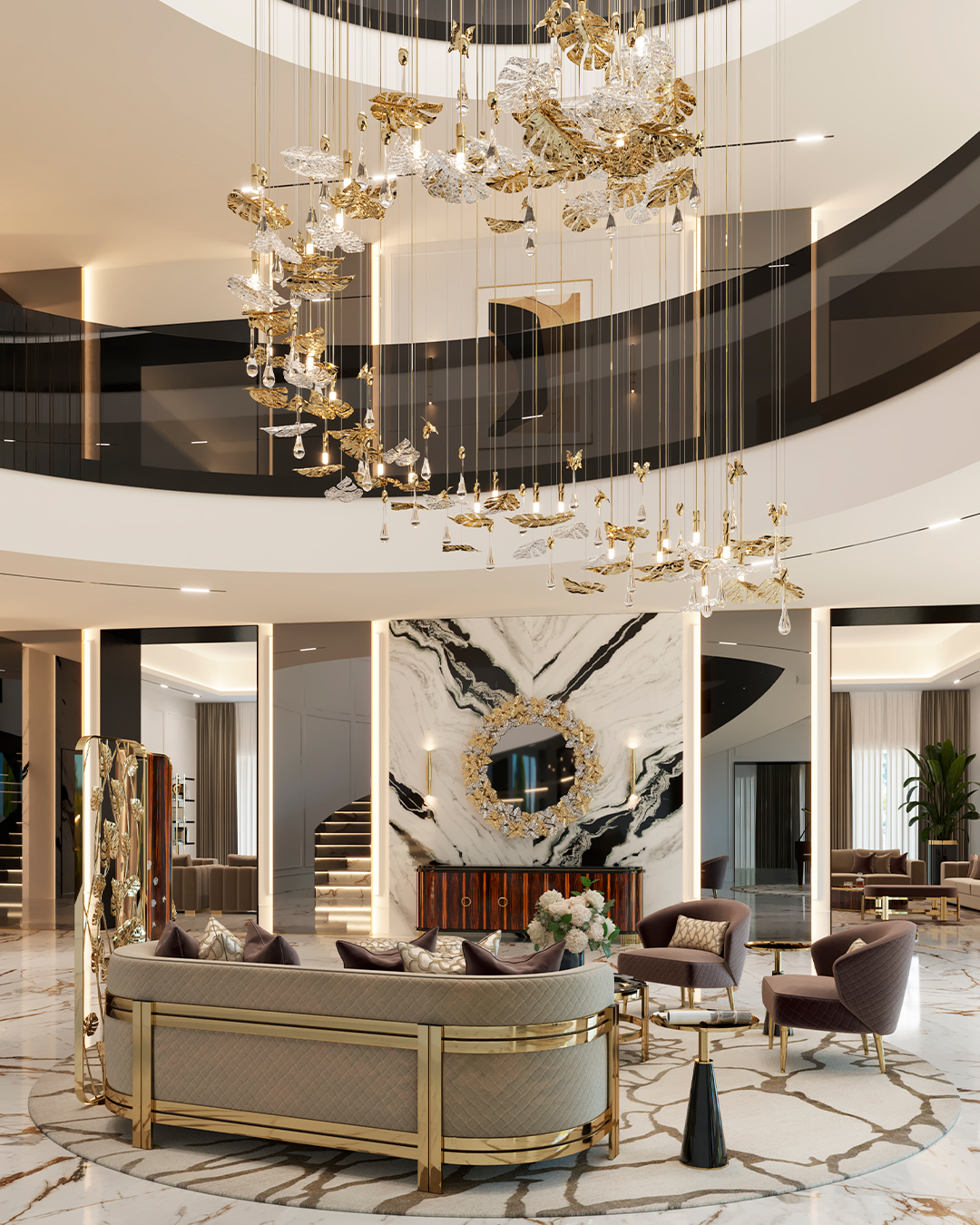
Interior design can be categorized based on the type of space being designed.
Residential Interior Design
Focuses on homes, apartments, and living spaces. It prioritizes comfort, functionality, and personal style.
Commercial Interior Design
Includes offices, shops, and business environments designed for productivity and brand identity.
Hospitality Interior Design
Used in hotels, restaurants, and resorts to create welcoming experiences.
Retail Interior Design
Designs store layouts to enhance customer experience and sales.
Each type requires specialized knowledge and planning.
Popular Interior Design Styles

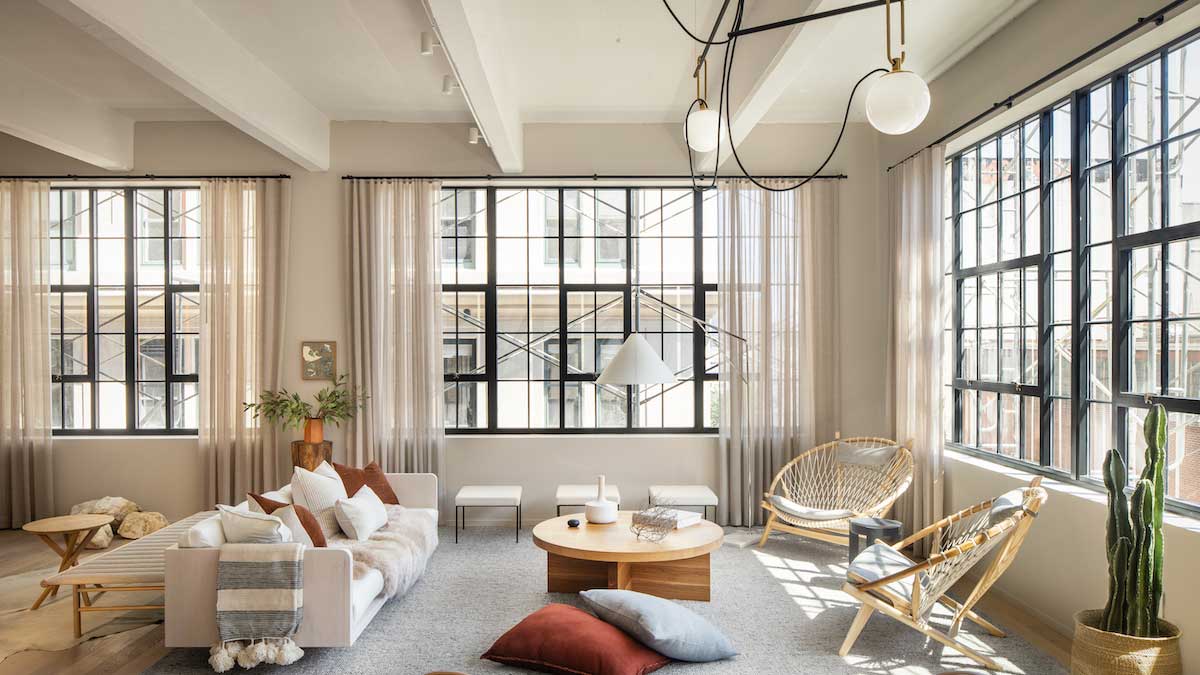
Interior design offers various styles to suit different tastes and lifestyles.
Modern Style
Clean lines, neutral colors, and minimal decoration.
Minimalist Style
Simple design with limited furniture and clutter-free spaces.
Traditional Style
Classic furniture, rich colors, and detailed decoration.
Industrial Style
Exposed brick, metal elements, and open layouts.
Scandinavian Style
Light colors, natural materials, and functional design.
Choosing the right style depends on personal preference and space requirements.
Importance of Interior Design
Interior design significantly impacts daily life. It influences comfort, productivity, and emotional well-being.
Improves Functionality
Well-designed spaces maximize efficiency and usability.
Enhances Aesthetic Appeal
Creates visually attractive environments.
Increases Property Value
Professionally designed interiors raise real estate value.
Reflects Personality
Interior spaces express personal style and identity.
Promotes Comfort and Well-being
Thoughtful design improves mood and relaxation.
These benefits make interior design essential in modern living.
Role of an Interior Designer
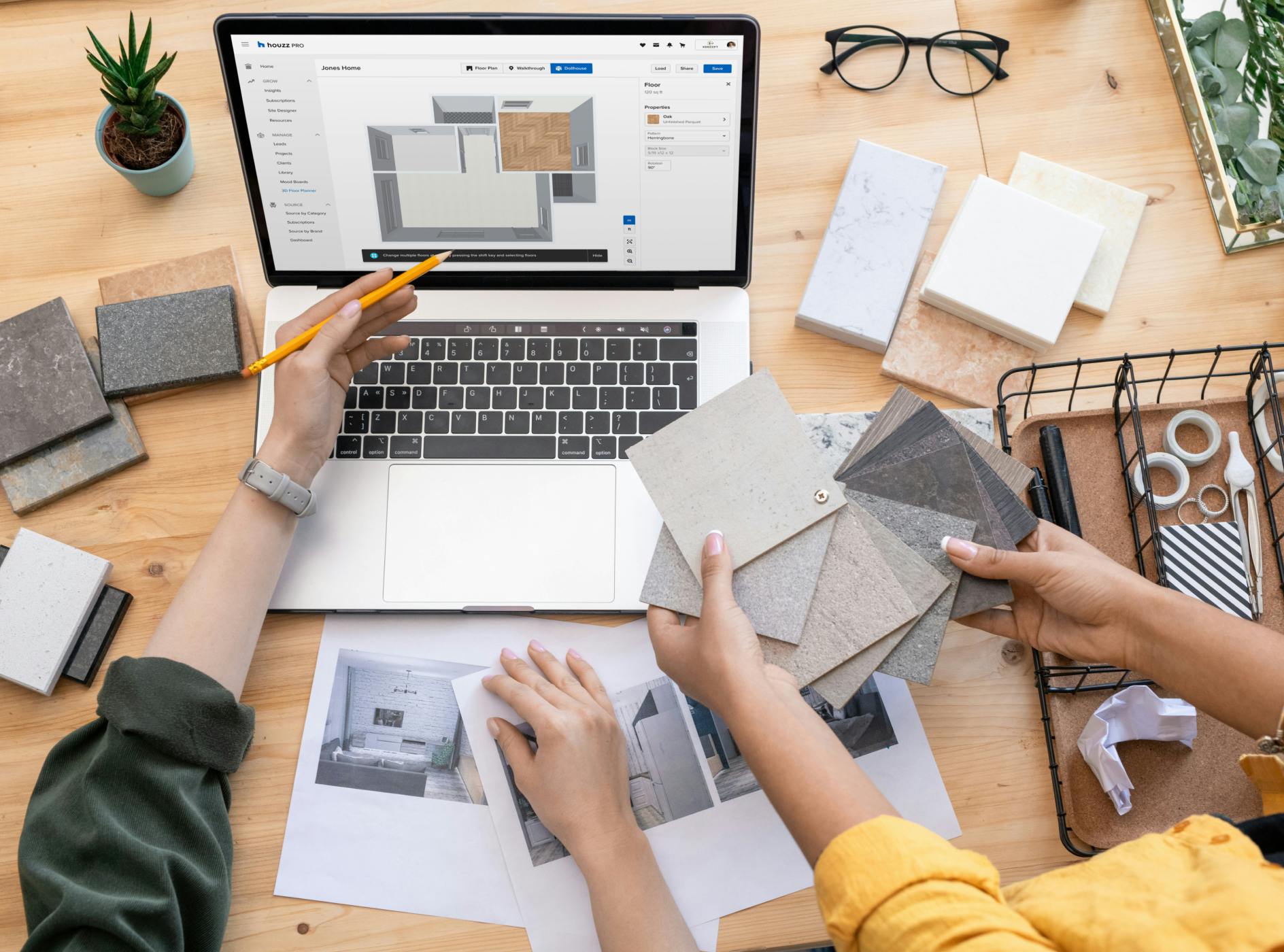

Interior designers are professionals who plan and execute design projects. Their responsibilities include:
-
Understanding client needs
-
Planning layouts and concepts
-
Selecting materials and furniture
-
Managing budgets
-
Supervising implementation
They combine creativity with technical expertise to deliver successful design solutions.
Interior Design Process (Step-by-Step)
The interior design process follows a systematic approach:
Step 1: Consultation
Understanding client requirements and goals.
Step 2: Planning
Creating layout designs and themes.
Step 3: Material Selection
Choosing furniture, colors, and finishes.
Step 4: Implementation
Executing the design plan.
Step 5: Final Styling
Adding decorative elements and finishing touches.
This process ensures organized and effective interior design results.
Benefits of Interior Design in Modern Homes
Interior design plays an important role in improving modern lifestyles.
-
Better space utilization
-
Improved lighting and ventilation
-
Increased comfort
-
Higher functionality
-
Enhanced visual appeal
-
Better organization
Modern homeowners invest in interior design to create smart and stylish living spaces.
Difference Between Interior Design and Interior Decoration
Many people confuse interior design with decoration, but they differ.
| Aspect | Interior Design | Interior Decoration |
|---|---|---|
| Focus | Space planning and structure | Visual styling |
| Scope | Technical and creative | Mainly aesthetic |
| Skills | Architecture, layout, materials | Color and décor |
| Purpose | Function + beauty | Beauty only |
Interior design involves deeper planning than decoration.
Interior Design Trends in 2025
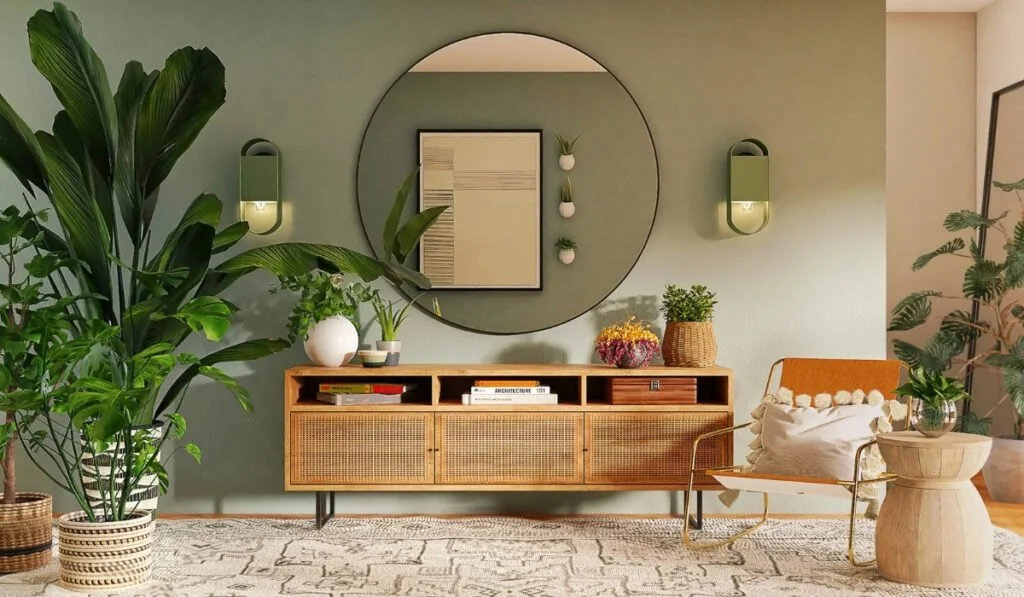
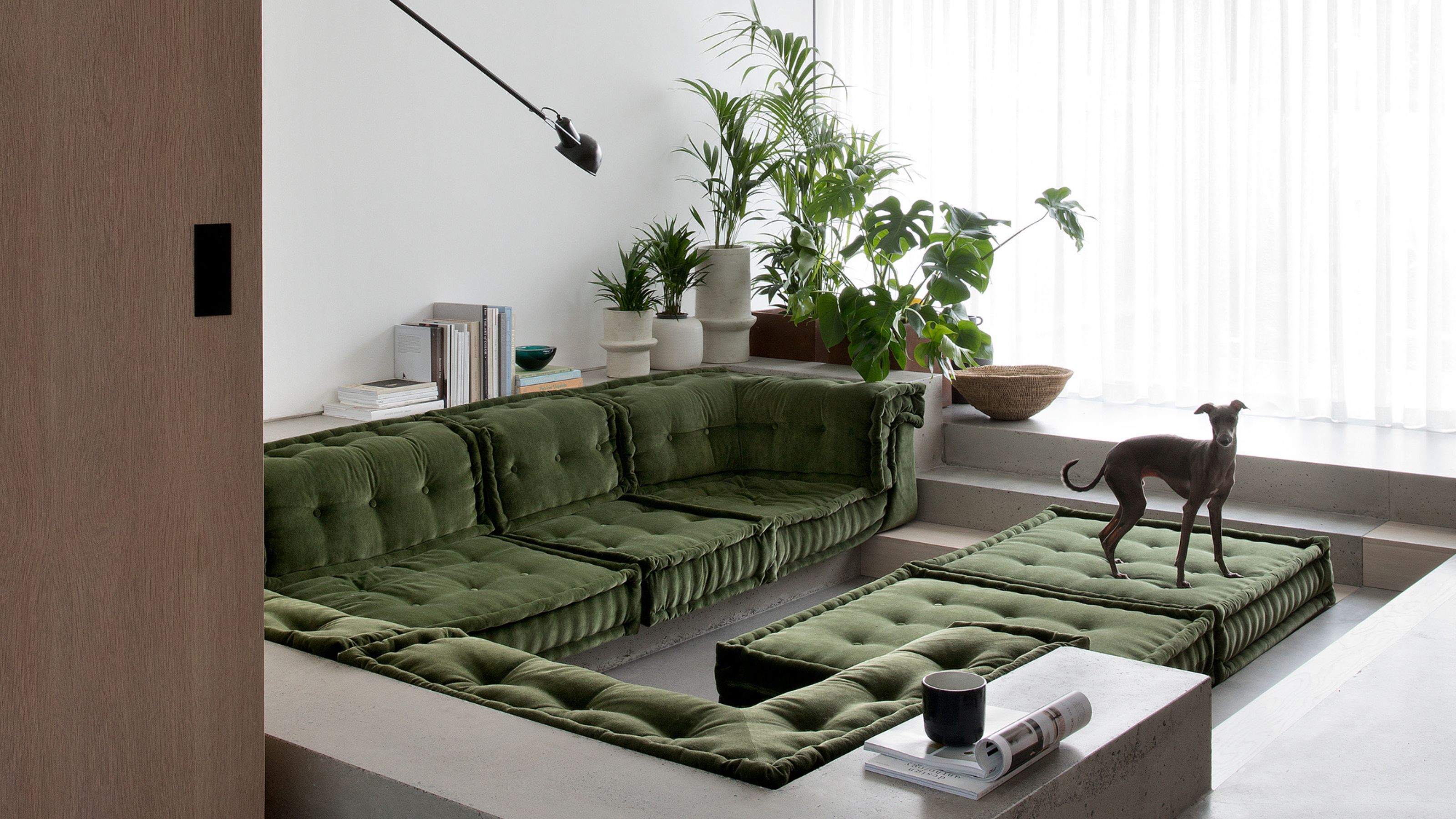
Modern interior design trends focus on sustainability and innovation.
Sustainable Materials
Eco-friendly materials like bamboo and recycled wood.
Smart Homes
Technology-integrated living spaces.
Biophilic Design
Incorporating natural elements indoors.
Multifunctional Spaces
Flexible layouts for modern living.
These trends reflect changing lifestyles and environmental awareness.
How to Start Learning Interior Design
If you want to learn interior design, follow these steps:
-
Study basic design principles
-
Learn color theory and space planning
-
Practice sketching layouts
-
Explore design software
-
Follow current trends
-
Experiment with home décor projects
Learning interior design requires creativity, observation, and practice.
About Interior Design
What is interior design?
Interior design is the process of planning and enhancing indoor spaces to improve functionality, comfort, and aesthetics.
Why is interior design important?
It improves space usage, enhances comfort, and increases property value.
What are key elements of interior design?
Space, color, lighting, texture, furniture, and décor.
What does an interior designer do?
Plans layouts, selects materials, and manages design projects.
Conclusion
Interior design is a dynamic field that combines creativity, functionality, and technical expertise to transform indoor spaces. It enhances comfort, improves efficiency, and creates visually appealing environments that reflect personal style and purpose. From residential homes to commercial buildings, interior design plays a vital role in shaping how people experience their surroundings.
As modern lifestyles evolve, interior design continues to adapt with new technologies, sustainable materials, and innovative ideas. Understanding its principles, elements, and styles helps individuals create spaces that are not only beautiful but also practical and meaningful.
Read More:- How to Be Better at Interior Design Mintpaldecor – Complete Home Styling Guide