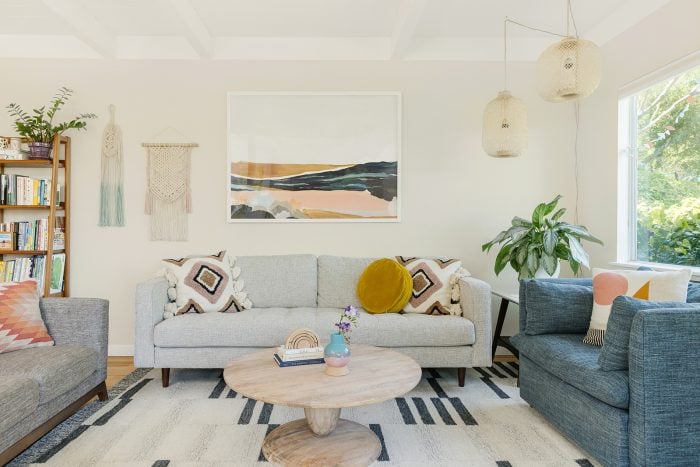
Interior Design: Complete Guide to Modern Home Styling, Trends, and Ideas


Introduction
Interior design is the art and science of improving indoor spaces to create a more functional, aesthetically pleasing, and comfortable environment. It combines creativity, architecture, space planning, furniture placement, color theory, lighting, and decorative elements to enhance the overall appeal of homes, offices, and commercial spaces.
In today’s modern lifestyle, interior design plays a crucial role in shaping how we live, work, and relax. A well-designed space improves productivity, promotes relaxation, and reflects personal style. From selecting furniture and colors to optimizing layouts and lighting, interior design transforms empty spaces into meaningful living environments.
Whether you want to redesign your home or simply upgrade your living space, understanding the fundamentals of interior design can help you make better decisions and achieve stunning results.
What is Interior Design and Why It Matters
Interior design is more than just decorating a room. It focuses on planning and organizing spaces efficiently while ensuring comfort, safety, and beauty. Professional interior design includes layout planning, material selection, lighting arrangements, and furniture placement.
Importance of Interior Design
-
Enhances functionality of spaces
-
Improves comfort and convenience
-
Reflects personality and lifestyle
-
Increases property value
-
Optimizes space utilization
-
Enhances visual appeal
A thoughtfully planned interior design ensures that every element in a room works harmoniously, creating balance and sophistication.
Popular Interior Design Styles
Modern Interior Style
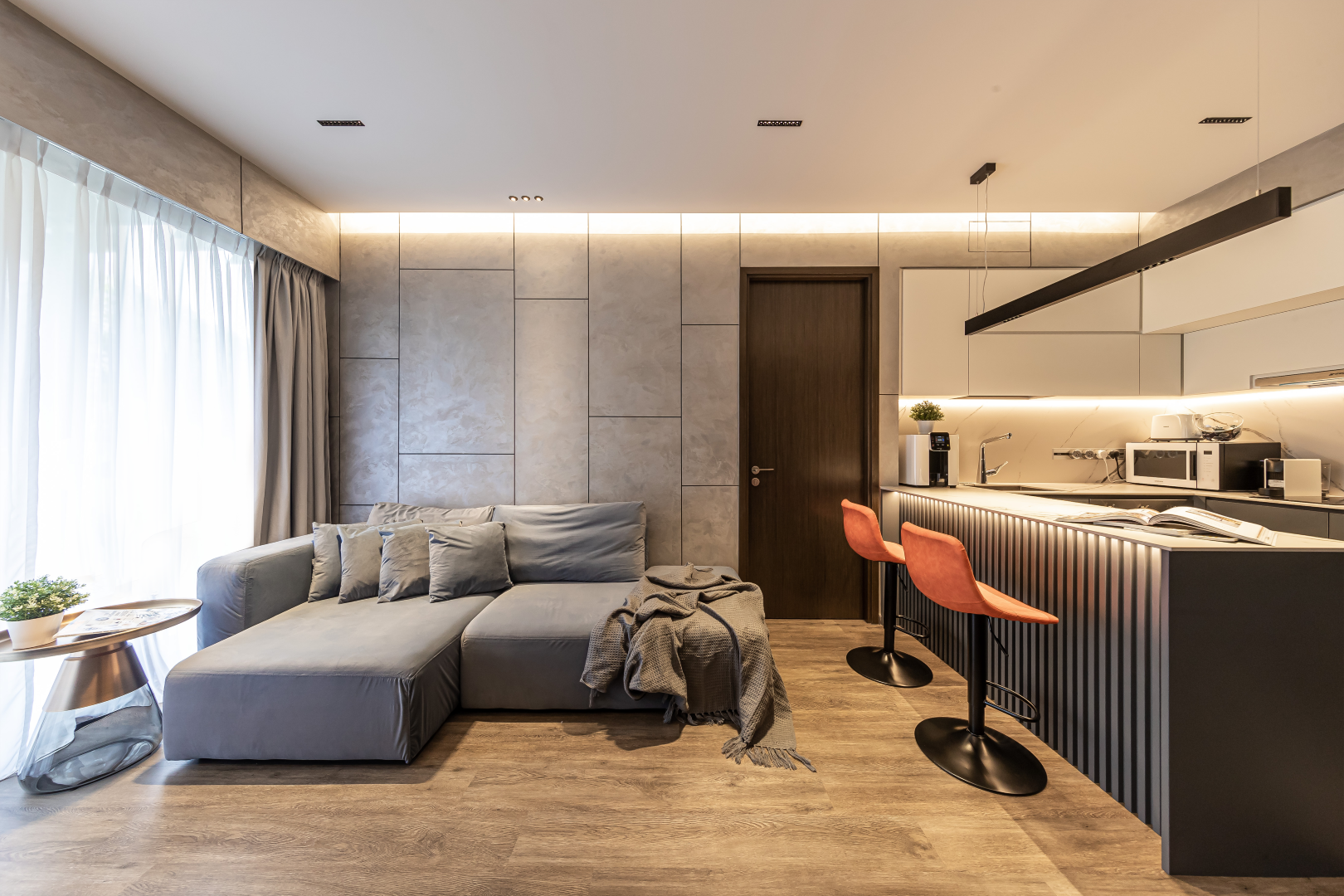


Modern interior style focuses on simplicity, clean lines, and minimal decoration. It emphasizes open spaces, neutral colors, and functional furniture.
Key Features
-
Neutral color palettes
-
Simple furniture designs
-
Clean and clutter-free spaces
-
Natural light focus
-
Minimal accessories
Modern interior design is perfect for people who prefer simplicity and elegance.
Contemporary Interior Style

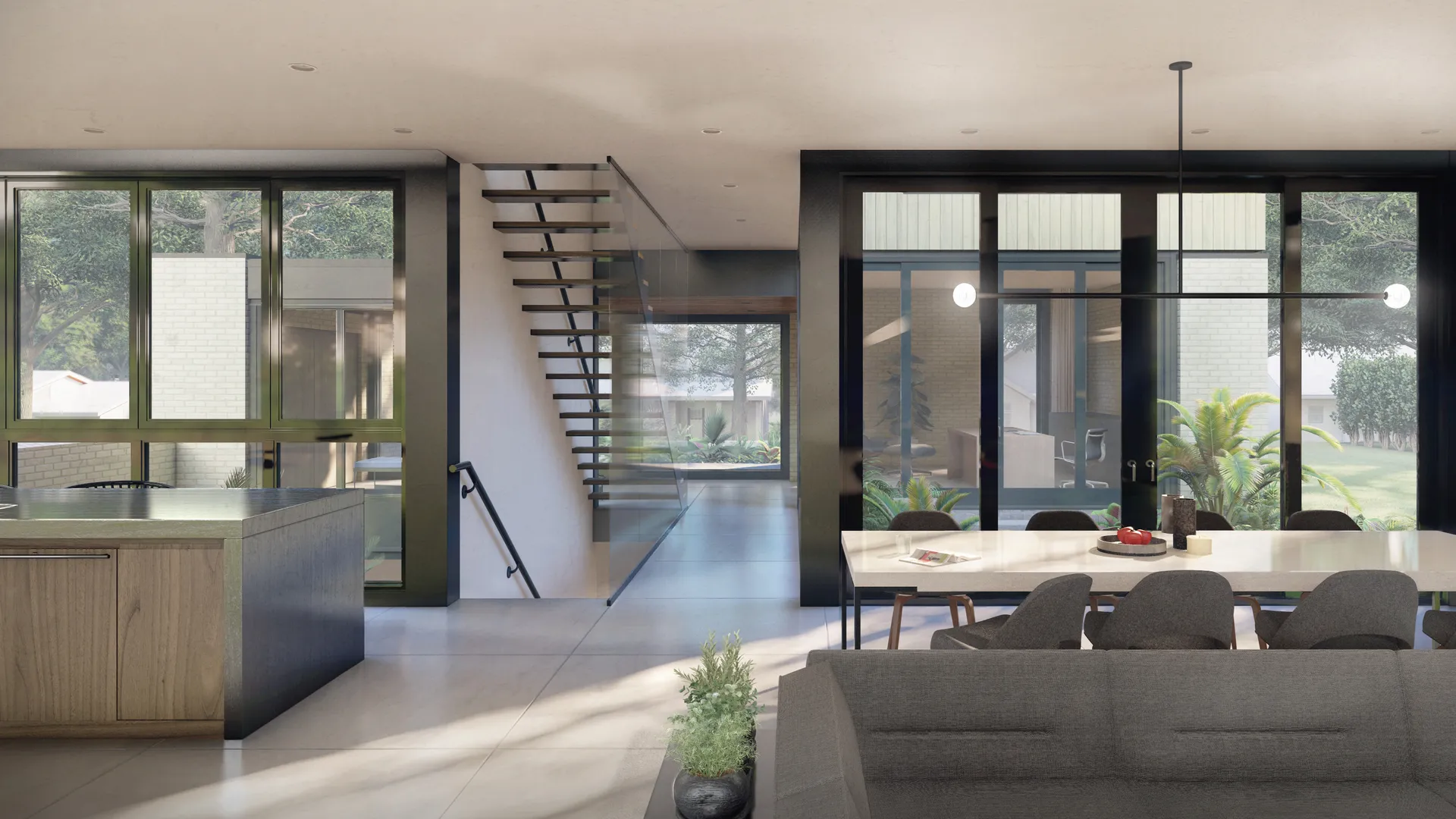
Contemporary style reflects current trends and constantly evolves. It blends comfort with innovation and often includes bold colors and unique textures.
Key Features
-
Trend-focused designs
-
Bold accents and textures
-
Open layouts
-
Statement lighting
-
Mix of materials
Contemporary interior design provides flexibility and creativity.
Minimalist Interior Style
Minimalism focuses on “less is more.” It removes unnecessary elements and highlights functionality.
Key Features
-
Limited furniture
-
Neutral tones
-
Open space concept
-
Simple décor
-
Functional design
Minimalist interior design promotes peace and clarity in living spaces.
Traditional Interior Style


Traditional style emphasizes elegance, rich colors, and classic furniture designs inspired by historical decor.
Key Features
-
Detailed woodwork
-
Elegant furnishings
-
Symmetrical layouts
-
Rich textures
-
Classic decorative elements
Traditional interior design creates a timeless and luxurious atmosphere.
Essential Elements of Interior Design
A successful interior design depends on several fundamental elements that shape the overall look and feel of a space.
1. Space
Space is the foundation of any design plan. It includes available floor area and layout arrangement.
2. Color
Color influences mood and perception. Light colors make spaces appear larger, while dark colors add warmth and depth.
3. Lighting
Lighting enhances functionality and ambiance. Natural and artificial lighting must be balanced effectively.
4. Texture
Texture adds depth and interest through fabrics, materials, and finishes.
5. Furniture
Furniture determines comfort and functionality while complementing the theme.
6. Balance
Balance ensures visual stability through symmetry or asymmetry.
Understanding these elements helps achieve a cohesive interior design.
Interior Design Process: Step-by-Step
Professional designers follow a structured approach to achieve desired results.
| Step | Process | Purpose |
|---|---|---|
| 1 | Space Planning | Optimize layout and functionality |
| 2 | Concept Development | Define theme and style |
| 3 | Material Selection | Choose textures, colors, and finishes |
| 4 | Furniture Planning | Select suitable furniture |
| 5 | Lighting Design | Improve ambiance and visibility |
| 6 | Execution | Implement design plan |
This structured approach ensures efficient and successful interior design implementation.
Latest Interior Design Trends
Interior spaces evolve with lifestyle changes and technological advancements. Some modern trends include:
Sustainable Design
Eco-friendly materials and energy-efficient solutions are becoming popular in interior design.
Smart Homes
Automation, smart lighting, and intelligent appliances are transforming homes.
Natural Elements
Wood, plants, and stone textures create calming environments.
Multifunctional Spaces
Compact homes require flexible and functional layouts.
Biophilic Design
Connecting indoor spaces with nature improves well-being.
These trends highlight how interior design continues to evolve with modern needs.
Interior Design for Different Spaces
Living Room Design

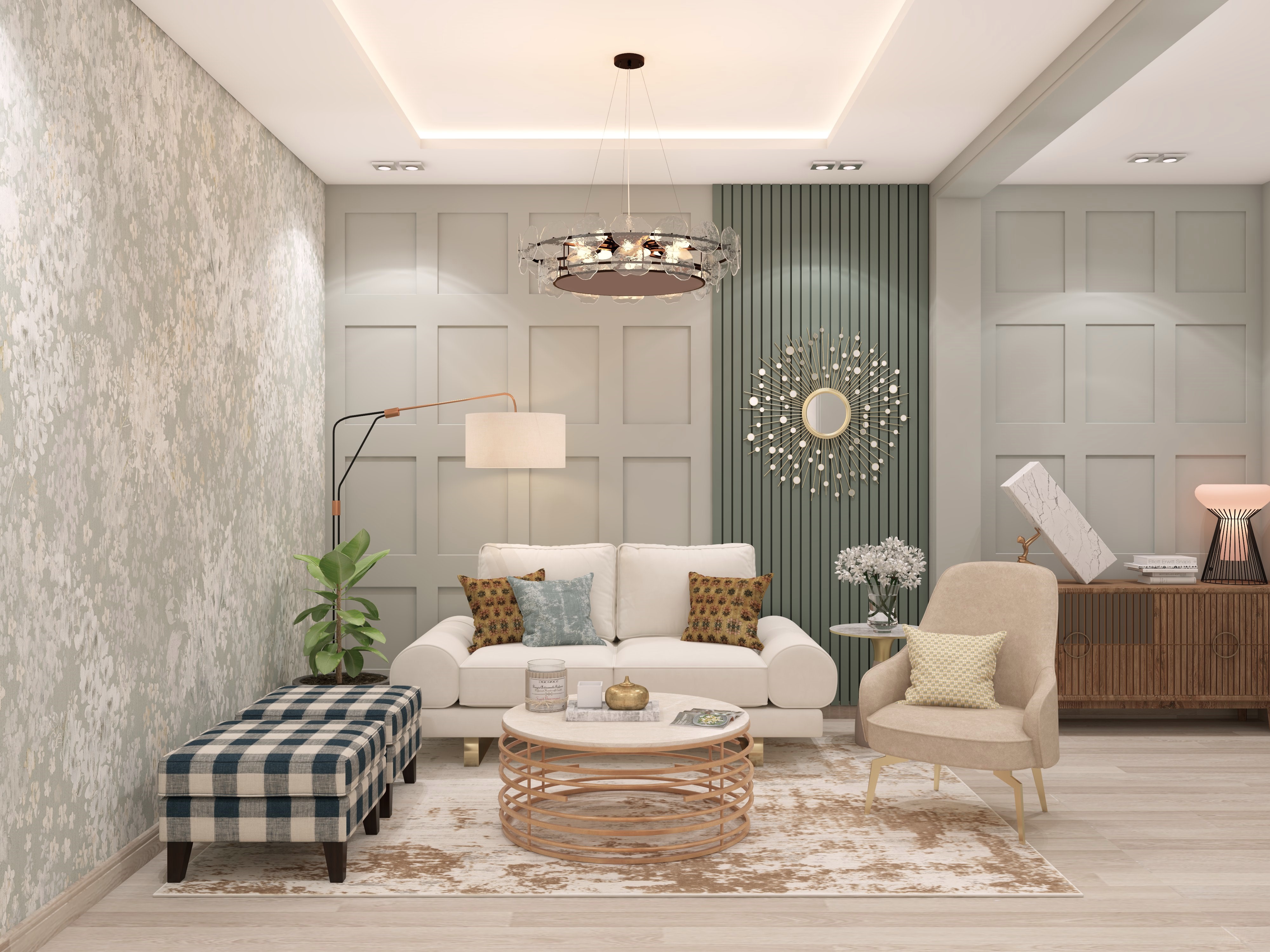
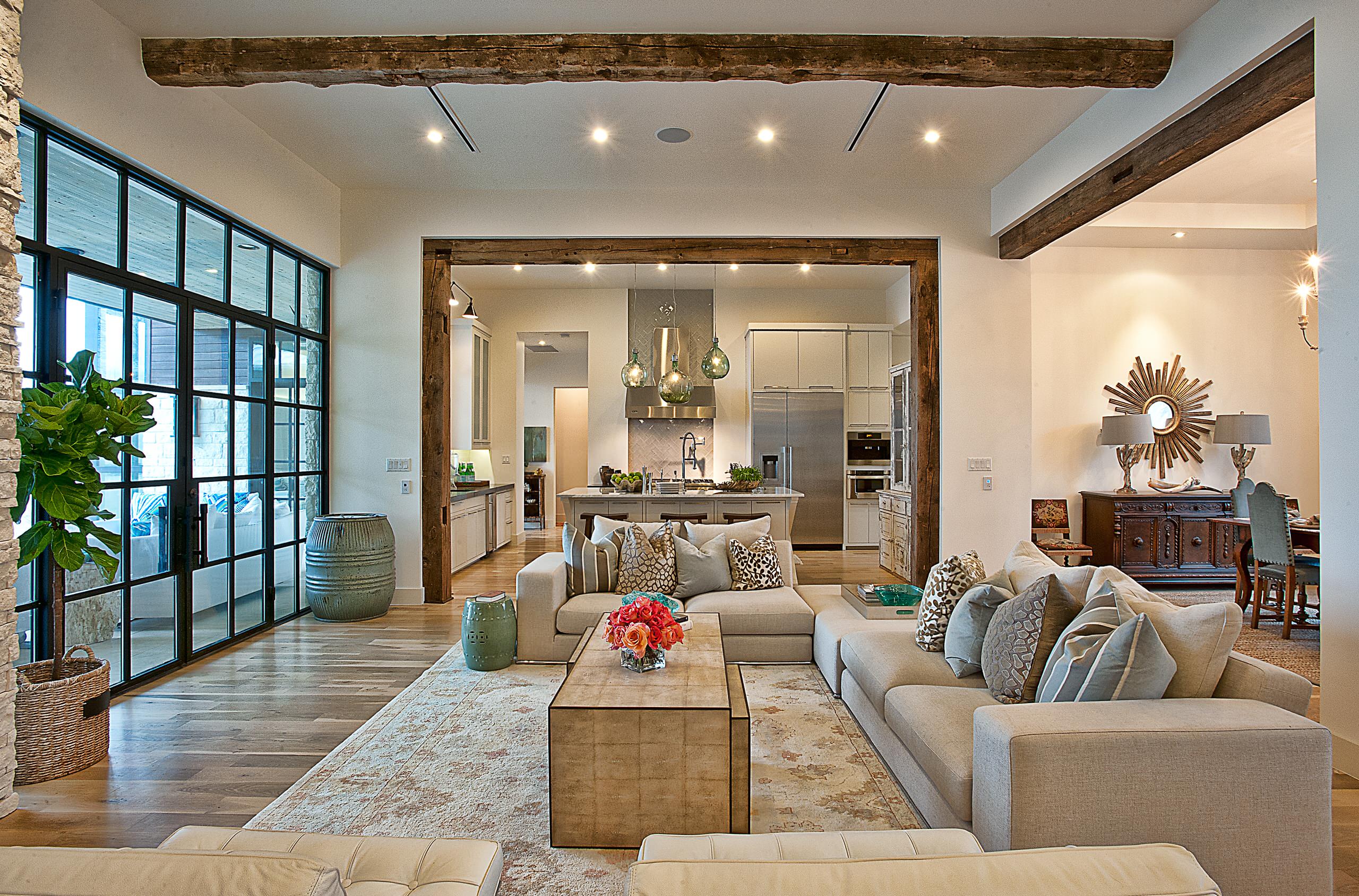
The living room is the central gathering area of a home. It should be welcoming, comfortable, and stylish.
Tips
-
Use comfortable seating
-
Focus on lighting
-
Add statement décor
-
Maintain balanced layout
A well-planned interior design enhances social interaction and comfort.
Bedroom Design

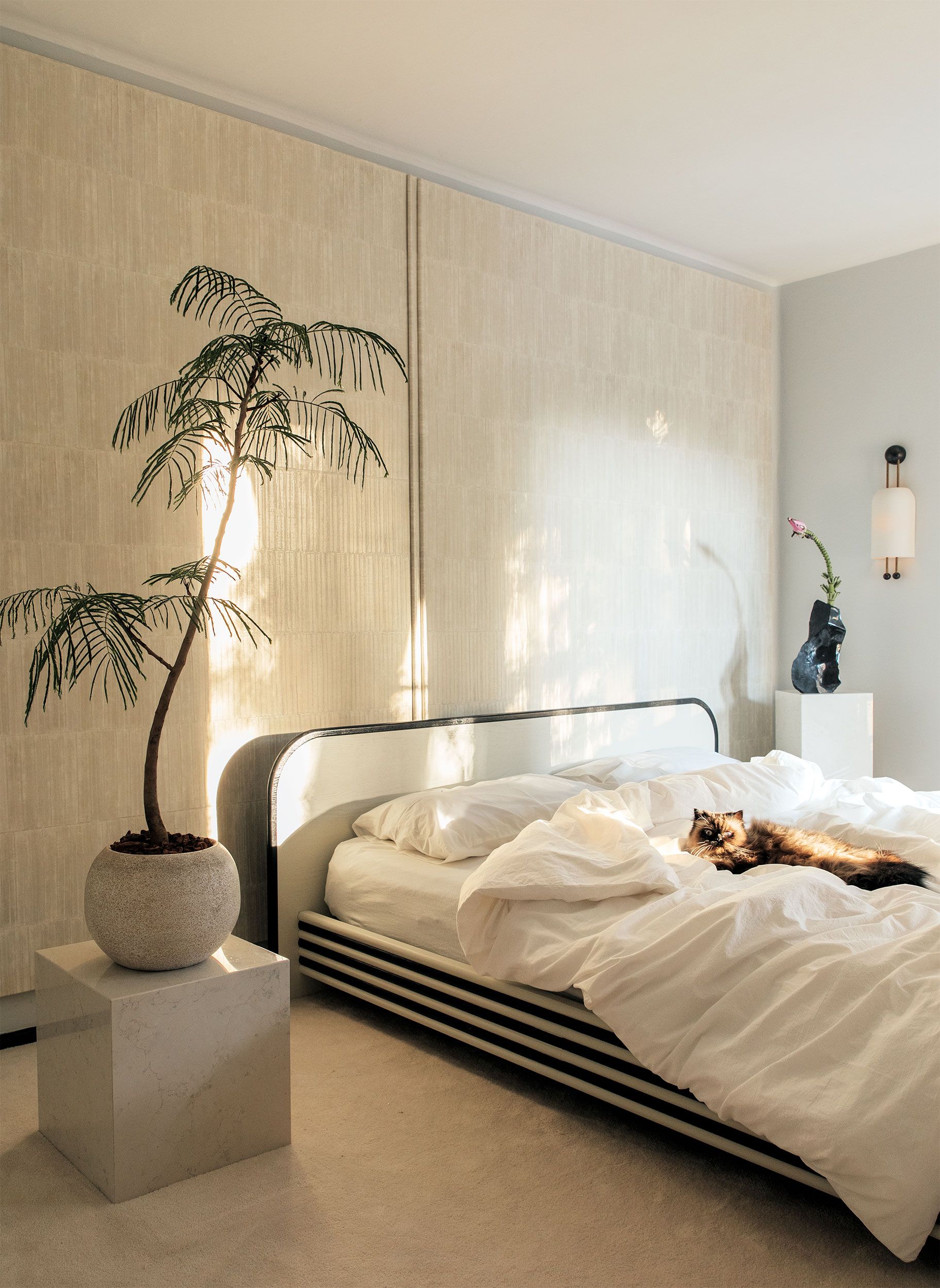
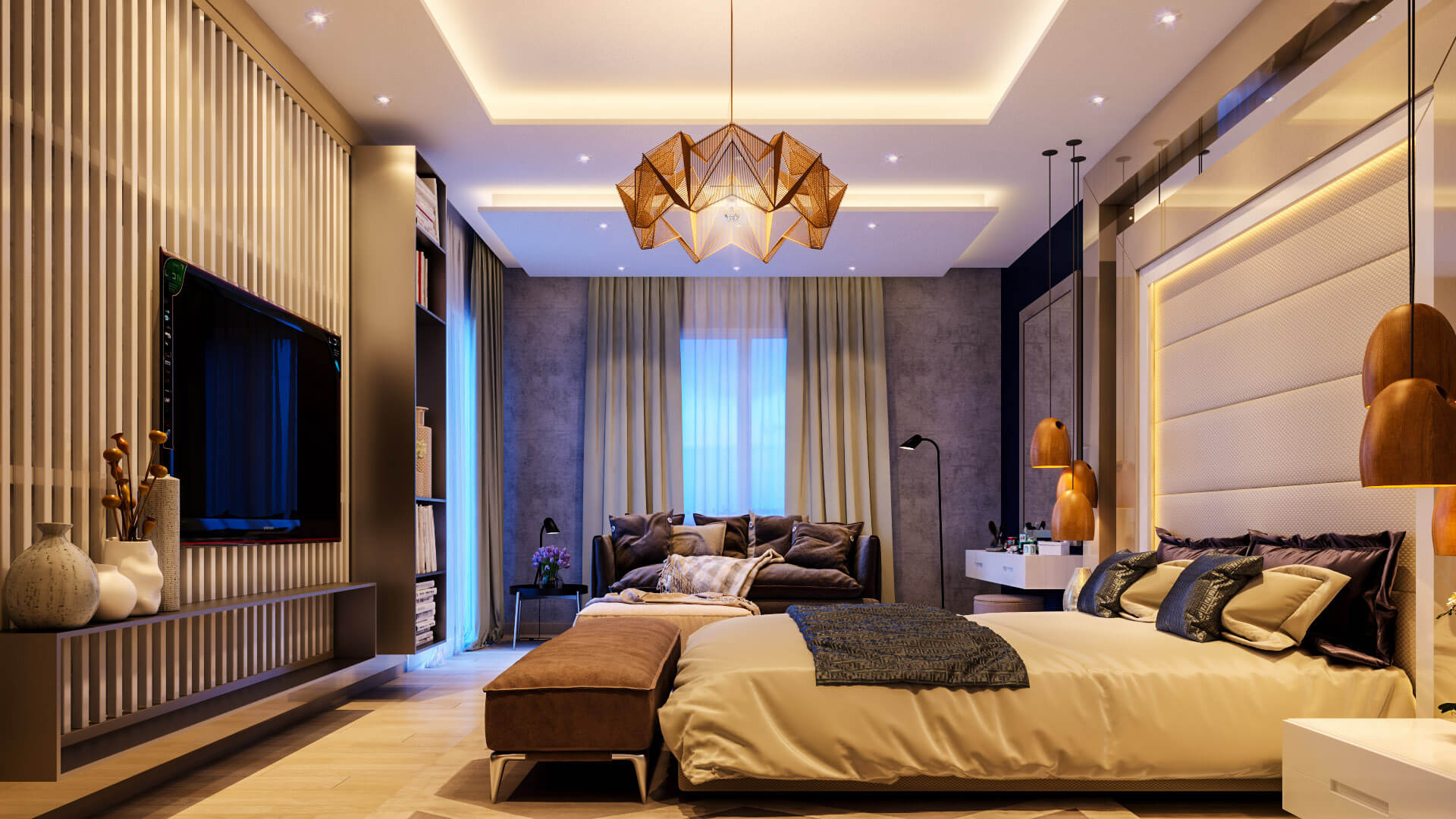
Bedrooms should promote relaxation and restful sleep.
Tips
-
Choose calming colors
-
Use soft lighting
-
Maintain minimal clutter
-
Select comfortable furniture
Interior design in bedrooms focuses on comfort and tranquility.
Kitchen Design
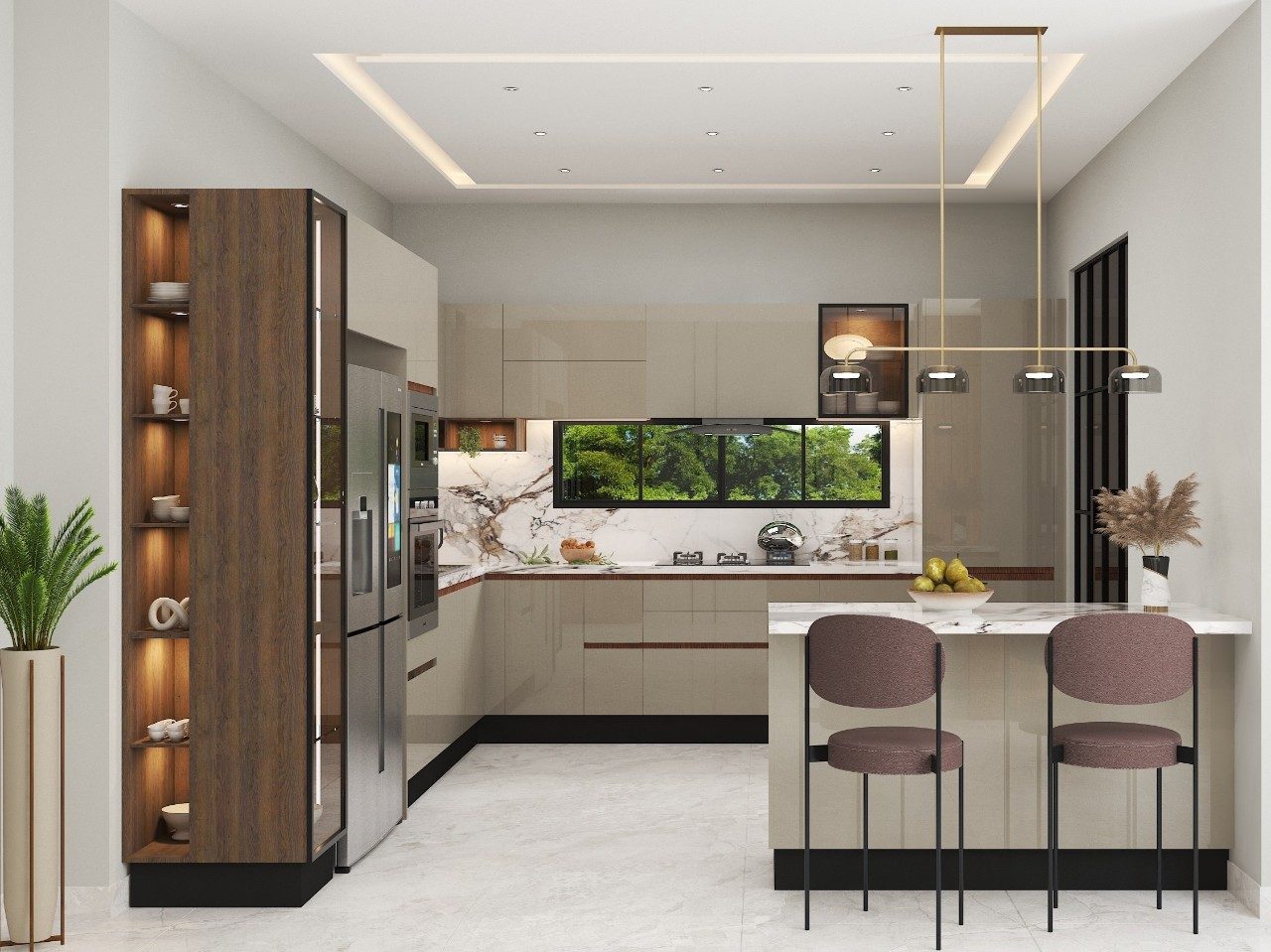

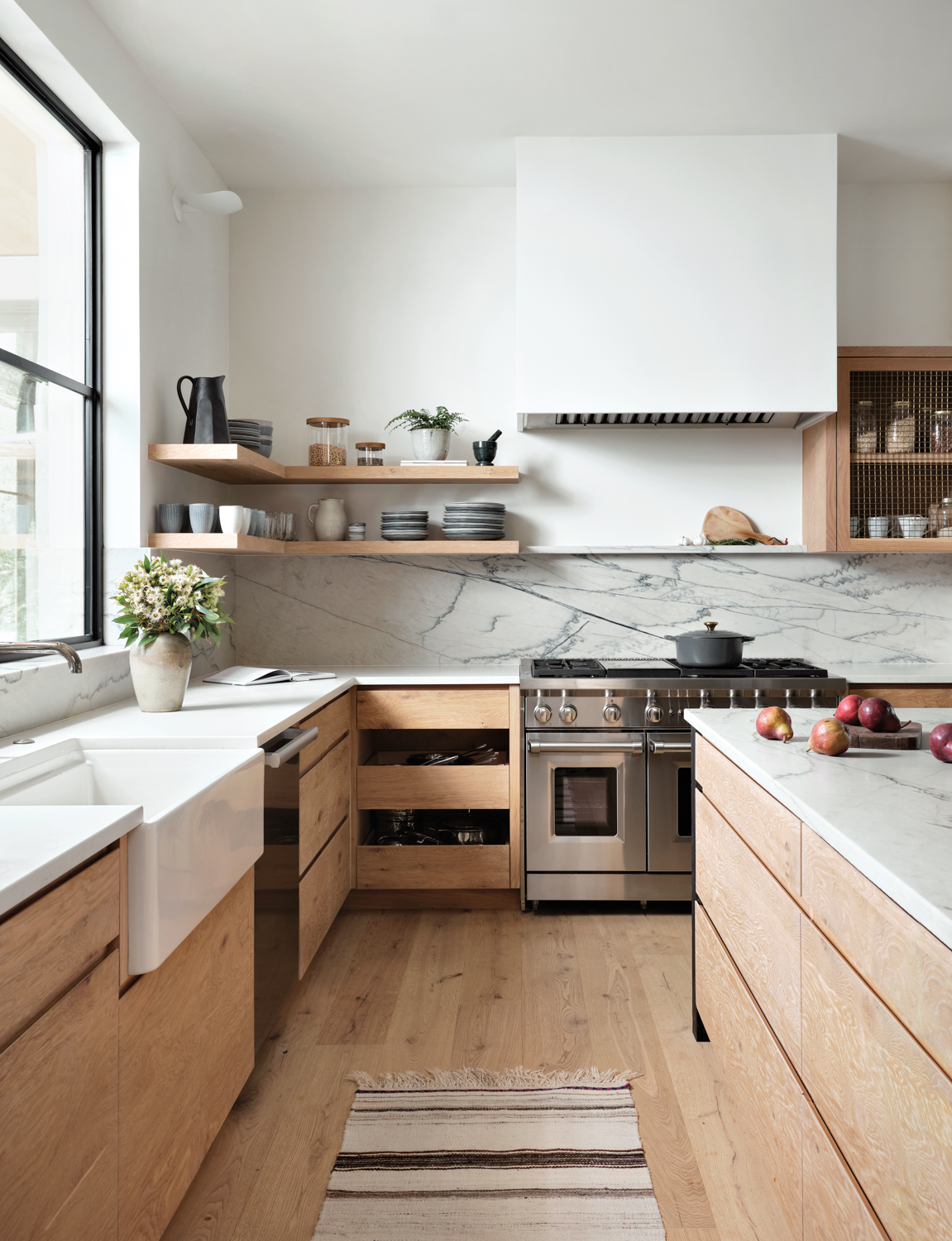
Kitchens require efficient layout and smart storage solutions.
Tips
-
Use modular storage
-
Ensure proper lighting
-
Maintain workflow efficiency
-
Select durable materials
Good interior design ensures functionality and hygiene.
Benefits of Professional Interior Design
Hiring professionals offers several advantages:
-
Expert planning and execution
-
Efficient space utilization
-
Access to quality materials
-
Cost-effective solutions
-
Unique design concepts
Professional interior design helps achieve high-quality results without unnecessary expenses.
Budget-Friendly Interior Design Ideas
Transforming your home does not always require large investments.
Simple Ideas
-
Rearrange furniture
-
Use decorative lighting
-
Add plants and artwork
-
Paint walls with new colors
-
Use multifunctional furniture
These strategies enhance interior design without high costs.
Common Interior Design Mistakes to Avoid
Avoiding common errors ensures better results.
-
Poor lighting arrangements
-
Overcrowded spaces
-
Ignoring functionality
-
Choosing wrong color combinations
-
Lack of planning
Careful planning improves interior design effectiveness.
Quick Interior Design
What makes good interior design?
A successful design balances aesthetics, functionality, comfort, and space utilization.
Which colors are best for interiors?
Neutral tones like white, beige, and grey create versatile spaces.
How can small spaces be improved?
Use mirrors, light colors, and multifunctional furniture.
Is interior design expensive?
It can be budget-friendly with proper planning and smart choices.
Future of Interior Design
The future of interior design will focus on sustainability, technology integration, and personalized spaces. Smart homes, eco-friendly materials, and innovative layouts will continue shaping modern living environments.
Design will increasingly emphasize comfort, health, and environmental responsibility, making interior design more meaningful than ever.
Conclusion
Interior design plays a vital role in enhancing living spaces by combining functionality, comfort, and beauty. From selecting colors and furniture to planning layouts and lighting, every element contributes to a harmonious environment. Whether adopting modern trends, minimal styles, or traditional themes, thoughtful interior design improves quality of life and reflects personal identity.
With proper planning, creativity, and understanding of design principles, anyone can transform their home into a stylish and comfortable space. As trends continue evolving, interior design will remain an essential aspect of modern living, shaping how we experience our surroundings.
Read More:- Interior Design Styles – Complete Guide to Popular Home Design Trends