
Understanding the Importance of a Chimney Cap
A chimney cap may look like a small accessory, but it plays a critical role in protecting your home. Installed at the top of the chimney, a chimney cap acts as a shield against rain, debris, animals, and downdrafts. Without proper protection, moisture can enter the chimney structure, leading to deterioration, rusting, and interior damage. Birds and small animals often build nests inside open chimneys, blocking airflow and creating fire hazards.
When homeowners ignore this simple addition, they risk costly repairs in the future. A properly fitted chimney cap ensures smooth ventilation while keeping external elements out. It also improves fireplace efficiency by preventing cold air from flowing back into your living space. Understanding how essential this small structure is will help you prioritize maintenance and consider chimney cap replacement when needed.
How a Chimney Cap Protects Your Home
The design of a chimney cap is simple yet effective. It typically includes a metal covering and mesh sides that allow smoke to escape while blocking unwanted elements. Rainwater is one of the most damaging factors for chimneys. When water seeps into masonry, it causes cracks, mold growth, and structural weakening. A chimney cap prevents water penetration, preserving the lifespan of your chimney.
Additionally, strong winds can force smoke and soot back down into your home. This problem, known as downdraft, can make your fireplace inefficient and unpleasant. Installing a chimney cap reduces this issue significantly. If your existing cap is rusted, loose, or damaged, timely chimney cap replacement will restore protection and maintain indoor comfort. Investing in this protective feature ensures long-term durability and safety for your property.
Signs You Need Chimney Cap Replacement
Over time, exposure to weather and heat can weaken even the most durable materials. Recognizing early warning signs helps prevent major repairs. Chimney cap replacement becomes necessary when visible rust appears, especially in galvanized steel caps. Rust can spread quickly and weaken the entire structure.
Another sign is loose or missing fasteners. Strong winds may shift or completely remove a poorly secured cap. If you notice animals entering your chimney or hear unusual noises, your chimney cap may be damaged or displaced. Water leaks inside the fireplace are also a clear indicator that your protection is compromised.
Ignoring these signs can lead to expensive masonry repairs. Scheduling chimney cap replacement at the right time ensures your chimney continues functioning efficiently without exposing your home to environmental damage.
Types of Chimney Caps Available
Different materials and styles are available depending on your needs and budget. Each type offers distinct advantages in durability and appearance. Below is a comparison table to help you understand your options.
| Material | Durability Level | Rust Resistance | Average Lifespan | Cost Range |
|---|---|---|---|---|
| Galvanized Steel | Moderate | Low | 3–5 Years | Low |
| Stainless Steel | High | Excellent | 10–20 Years | Medium |
| Copper | Very High | Excellent | 20+ Years | High |
| Aluminum | Moderate | Good | 5–10 Years | Medium |
Choosing the right chimney cap depends on climate conditions and maintenance expectations. For long-term performance, stainless steel and copper are often recommended. If your current cap shows corrosion, upgrading during chimney cap replacement can significantly increase durability.
Benefits of Installing a Quality Chimney Cap
A high-quality chimney cap offers several advantages beyond simple protection. Homeowners often underestimate its overall value until problems arise.
Some key benefits include:
-
Prevents rainwater damage and masonry deterioration
-
Blocks animals and nesting materials
-
Reduces downdraft and improves fireplace efficiency
-
Minimizes spark escape and fire risks
-
Extends chimney lifespan
These benefits highlight why chimney cap installation should never be overlooked. If damage has already occurred, chimney cap replacement restores these protective features and safeguards your home investment.
The Chimney Cap Replacement Process
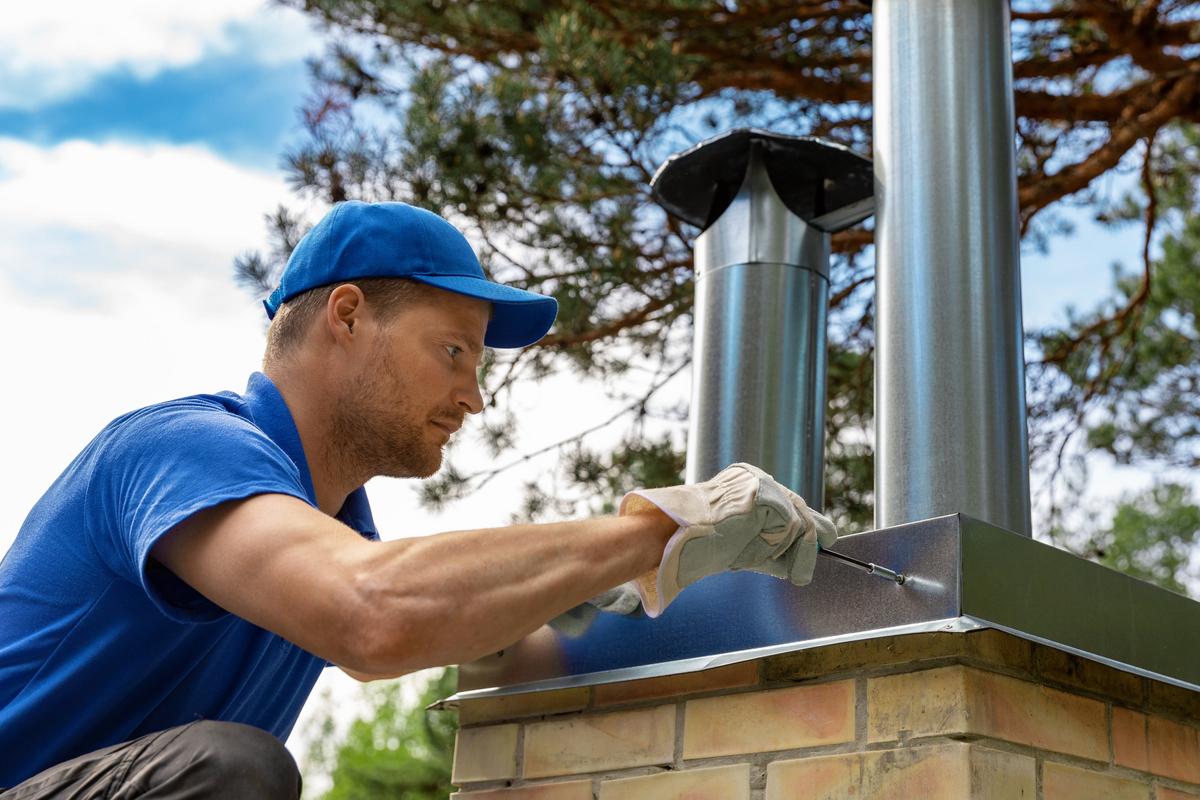
Chimney cap replacement is a straightforward task when handled properly. The process begins with a thorough inspection to determine the condition of the current cap and chimney crown. Removing the old cap requires loosening screws or fasteners while ensuring no debris falls into the flue.
Next, precise measurements are taken to ensure the new chimney cap fits securely. A properly fitted cap prevents gaps that could allow water or animals inside. The new cap is then installed and firmly secured with corrosion-resistant fasteners.
Professional installation is often recommended for safety reasons, especially for multi-story homes. Climbing onto roofs can be dangerous without proper equipment. Whether done professionally or as a DIY project, chimney cap replacement must be completed carefully to guarantee optimal performance.
Common Mistakes to Avoid
While installing or maintaining a chimney cap may seem simple, several common mistakes can reduce effectiveness. Avoiding these issues ensures maximum protection.
One common mistake is selecting the wrong size. A cap that is too small will not provide adequate coverage, while an oversized cap may shift during strong winds. Another error is using low-quality materials that rust quickly, leading to frequent chimney cap replacement.
Neglecting regular inspections also contributes to early damage. Even durable materials require occasional maintenance to remove debris and check for wear. By addressing these issues early, homeowners can extend the lifespan of their chimney cap and avoid unnecessary repairs.
Maintenance Tips for Long-Term Performance
Regular maintenance keeps your chimney cap functioning efficiently for years. Annual inspections are recommended, especially before the winter season. Check for rust spots, loose screws, and blockages caused by leaves or nests. Cleaning the mesh screen ensures proper airflow and prevents smoke buildup.
In regions with heavy rainfall or snowfall, extra attention is needed. Moisture can accelerate corrosion if not monitored. If you notice damage beyond simple repair, scheduling chimney cap replacement promptly will prevent structural deterioration.
Maintaining your chimney cap is far more affordable than repairing a damaged chimney structure. Simple preventive care protects both your fireplace system and overall home safety.
Cost Considerations and Budget Planning
The cost of installing or replacing a chimney cap varies based on material, labor, and chimney size. Galvanized steel options are typically the most affordable, while copper designs come at a premium price due to their longevity and aesthetic appeal.
Labor costs also depend on roof accessibility and local service rates. Though chimney cap replacement may seem like an additional expense, it prevents far more expensive structural repairs caused by water damage. Budgeting for quality materials ensures fewer replacements over time.
Homeowners should view chimney cap replacement as a preventive investment rather than a reactive repair. Long-term savings and enhanced protection make it a worthwhile upgrade.
Conclusion
A chimney cap is a small yet powerful component that protects your home from weather damage, animal intrusion, and ventilation issues. Its role in maintaining fireplace efficiency and structural integrity cannot be overstated. Regular inspections and timely chimney cap replacement prevent costly repairs and ensure long-term durability.
Read More:- Blue Kitchen Cabinets: A Complete Painting Guide