

Introduction
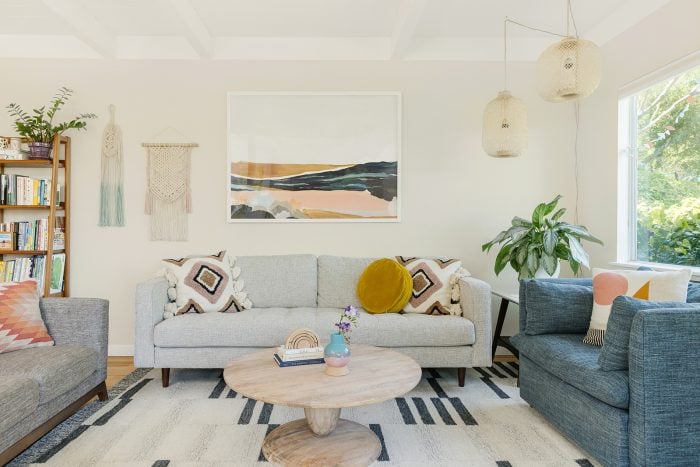
Interior design plays a powerful role in shaping how a space looks, feels, and functions. From modern homes to traditional settings, choosing the right interior theme enhances comfort and reflects personal taste. Today, homeowners, architects, and decorators are increasingly exploring different interior design styles to create visually appealing and functional living spaces.
Understanding interior design styles helps you decorate your home with clarity and purpose rather than randomly choosing furniture or decor. Whether you prefer a simple aesthetic, luxurious environment, or artistic atmosphere, each style offers unique characteristics that define space organization, color palette, furniture selection, and decorative elements.
In this comprehensive guide, we will explore popular interior design styles, their features, benefits, and how you can choose the right one for your home.
What Are Interior Design Styles?
Interior design styles refer to specific ways of decorating and organizing indoor spaces according to particular aesthetics, themes, materials, and color schemes. These styles reflect culture, history, lifestyle, and design preferences. Choosing the right interior design styles helps create harmony between furniture, lighting, textures, and architecture.
Many interior design styles evolved from historical movements, while others emerged from modern lifestyle changes. Some focus on simplicity, while others emphasize luxury or creativity. Understanding these styles makes it easier to create cohesive and elegant interiors.
Popular Interior Design Styles Comparison Table
| Interior Style | Key Features | Color Palette | Furniture Type | Best For |
|---|---|---|---|---|
| Modern | Clean lines, simplicity | Neutral tones | Sleek furniture | Urban homes |
| Minimalist | Less clutter, functional | White, beige | Simple, essential pieces | Small spaces |
| Industrial | Raw materials, exposed elements | Dark, metallic | Metal and wood | Lofts |
| Traditional | Classic details, elegance | Warm colors | Decorative furniture | Large homes |
| Scandinavian | Bright spaces, natural materials | Light colors | Functional wood furniture | Cozy living |
This table provides a quick overview of commonly used interior design styles and their defining characteristics.
Modern Interior Design Style
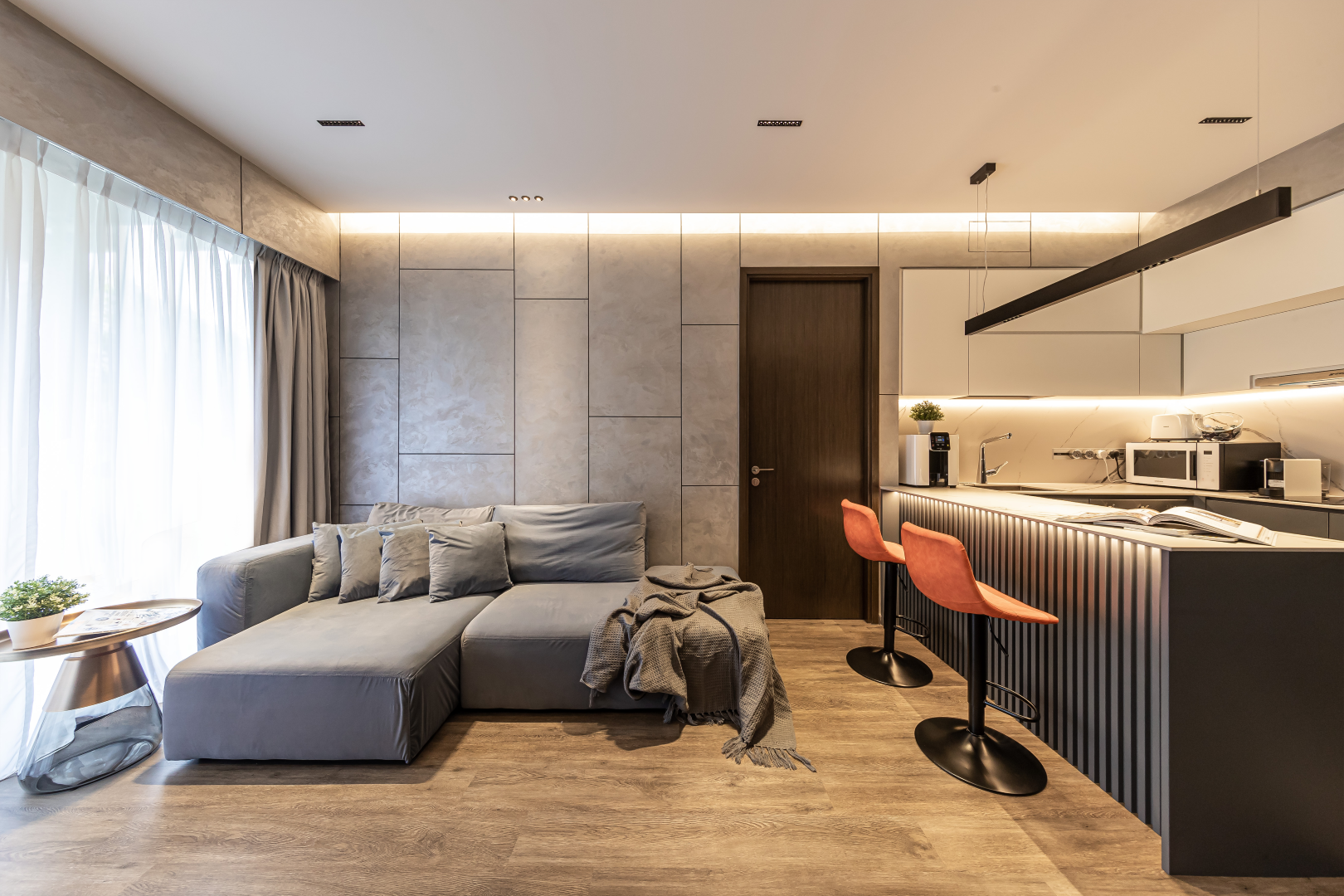

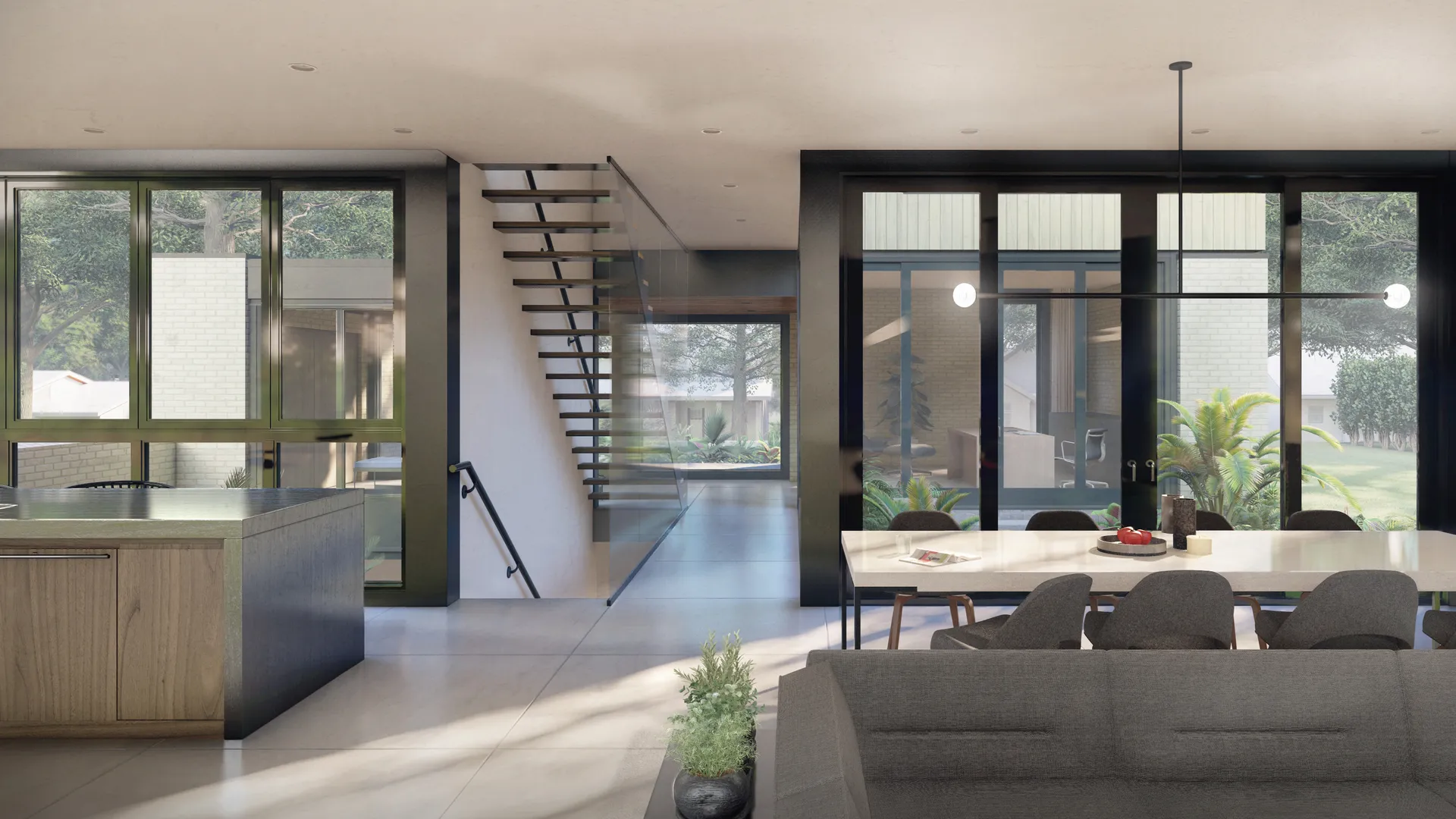
Modern interior design focuses on simplicity, functionality, and clean lines. It emphasizes open spaces, minimal decoration, and practical furniture. This design emerged in the early 20th century and remains one of the most widely adopted interior design styles today.
Key Features
-
Neutral color palettes like white, grey, and beige
-
Open floor plans
-
Minimal accessories
-
Simple furniture with smooth surfaces
-
Large windows for natural light
Modern interiors prioritize functionality over excessive decoration. Furniture pieces are carefully chosen to serve both practical and aesthetic purposes.
Why Choose Modern Style
Modern interior design styles are ideal for people who prefer uncluttered spaces and efficient layouts. They create a calm and organized environment suitable for contemporary living.
Minimalist Interior Design Style


Minimalist design follows the principle of “less is more.” It removes unnecessary elements and keeps only essential components. This style emphasizes simplicity, functionality, and clean aesthetics.
Key Features
-
Limited color palette
-
Decluttered spaces
-
Functional furniture
-
Clean lines and shapes
-
Maximum use of space
Minimalism is one of the most practical interior design styles for modern urban living, especially in apartments and small homes.
Benefits
Minimalist spaces are easier to maintain, promote relaxation, and create a sense of clarity. The focus remains on quality rather than quantity.
Industrial Interior Design Style
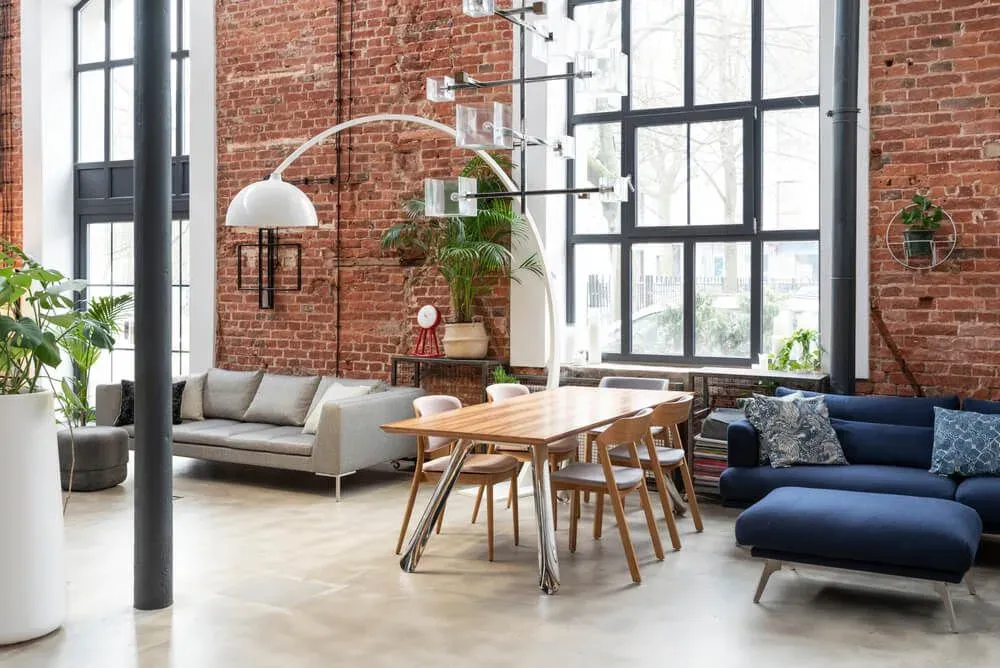


Industrial interior design is inspired by warehouses and factories. It features raw materials, unfinished surfaces, and structural elements as decorative features. This style became popular in urban loft apartments.
Key Features
-
Exposed brick walls
-
Metal fixtures
-
Wooden and steel furniture
-
Open ceilings with pipes
-
Neutral and dark tones
Industrial interior design styles emphasize authenticity and raw beauty rather than polished finishes.
Best Use
This style suits urban homes, studio apartments, and creative workspaces where a bold and edgy look is desired.
Traditional Interior Design Style


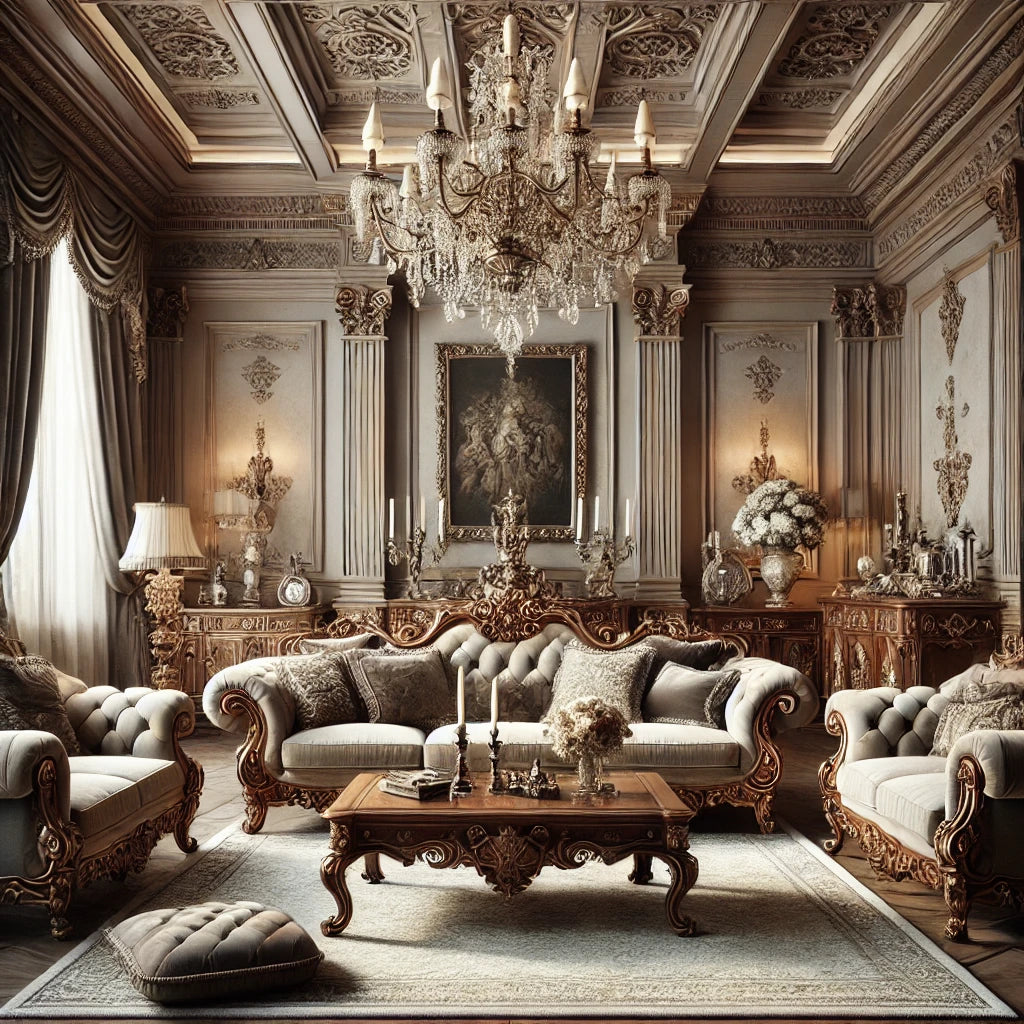
Traditional design reflects classic European decor influenced by 18th and 19th century aesthetics. It focuses on elegance, symmetry, and rich details.
Key Features
-
Decorative moldings
-
Rich textures
-
Warm color schemes
-
Antique furniture
-
Detailed woodwork
Among various interior design styles, traditional interiors create a timeless and luxurious atmosphere.
Advantages
Traditional interiors provide comfort, sophistication, and long-lasting appeal that never goes out of fashion.
Scandinavian Interior Design Style
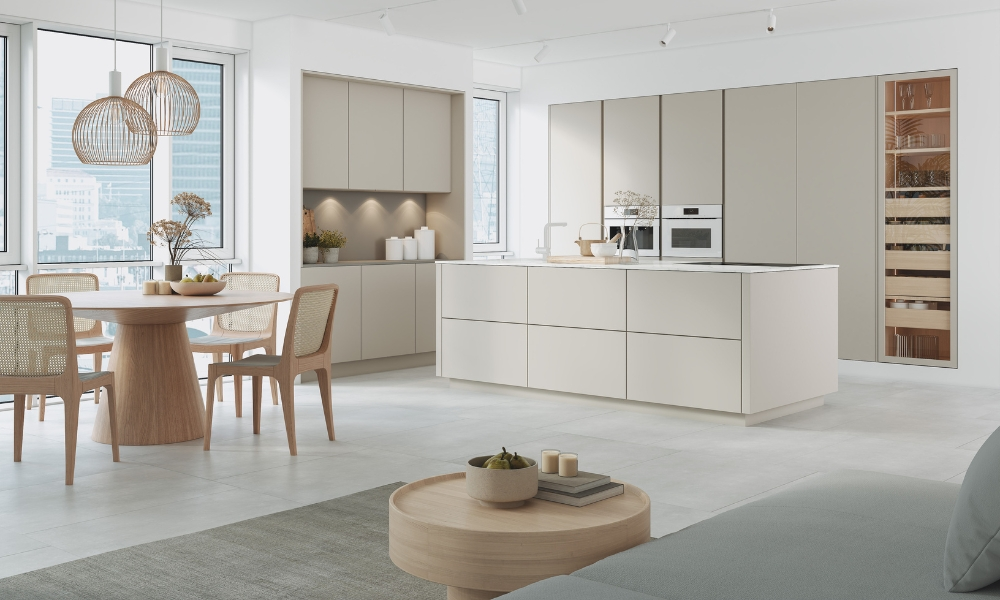


Scandinavian design focuses on simplicity, comfort, and functionality. Originating from Nordic countries, it combines minimalism with warmth.
Key Features
-
Light color palettes
-
Natural materials
-
Functional furniture
-
Cozy textiles
-
Bright and airy spaces
Scandinavian interiors are among the most comfortable interior design styles, blending beauty and practicality.
How to Choose the Right Interior Design Style
Selecting the right design theme depends on personal taste, lifestyle, and space requirements. Since different interior design styles offer unique advantages, homeowners should consider multiple factors before making decisions.
1. Understand Your Space
Large homes can accommodate traditional designs, while smaller apartments benefit from minimalist or Scandinavian styles.
2. Consider Functionality
Choose a style that matches daily activities and comfort needs.
3. Focus on Budget
Some styles require expensive furniture and materials, while others are cost-effective.
4. Match Personal Preference
Your home should reflect personality and lifestyle.
5. Think Long-Term
Timeless styles provide lasting appeal and reduce renovation costs.
Benefits of Understanding Interior Design Styles
Learning about interior design styles helps homeowners make better design decisions and avoid costly mistakes. Understanding design principles ensures that all elements work together harmoniously.
Key Benefits
-
Creates visually appealing spaces
-
Improves home functionality
-
Enhances comfort
-
Reflects personality
-
Increases property value
When homeowners understand interior design styles, they achieve a balance between beauty and usability.
Interior Design Styles for Different Rooms
Different rooms require different design approaches. Applying appropriate interior design styles to each space enhances usability and aesthetics.
Living Room
Modern or Scandinavian styles create welcoming environments.
Bedroom
Minimalist designs promote relaxation and better sleep.
Kitchen
Modern and industrial styles provide functionality.
Bathroom
Minimalist designs offer cleanliness and simplicity.
Interior Design Tips for Beginners
If you are new to interior decoration, start with simple steps and gradually explore different interior design styles.
Quick Tips
-
Choose a consistent color scheme
-
Invest in quality furniture
-
Use lighting effectively
-
Avoid overcrowding spaces
-
Add personal decorative elements
These tips help beginners create beautiful interiors without professional assistance.
Future Trends in Interior Design
The world of interior design continues evolving with changing lifestyles and technologies. Future interior design styles emphasize sustainability, smart homes, and multifunctional spaces.
Emerging Trends
-
Eco-friendly materials
-
Smart furniture
-
Sustainable decor
-
Multifunctional rooms
-
Natural textures
These trends highlight the shift toward comfortable and environmentally responsible living.
What are interior design styles?
Interior design styles are different methods of decorating indoor spaces based on specific themes, color schemes, furniture types, and design principles.
Which interior design style is best?
The best interior design style depends on personal preference, lifestyle, and space. Modern and minimalist styles are popular for contemporary homes.
Why are interior design styles important?
Interior design styles help create visually appealing, functional, and comfortable living environments.
Conclusion
Choosing the right interior design styles plays a major role in shaping comfortable, functional, and aesthetically pleasing homes. From modern simplicity to traditional elegance, each design approach offers unique features that suit different lifestyles and preferences. Understanding various interior design styles helps homeowners make informed decisions, create harmonious spaces, and express their personal identity through design.
Whether you prefer minimal spaces, luxurious interiors, or cozy environments, exploring interior design styles provides endless possibilities for transforming your home. By understanding design principles, planning carefully, and choosing suitable elements, anyone can create beautiful interiors that combine comfort, functionality, and style.
Read More:- Art Deco Interior Design Guide – History, Features, Ideas & Modern Home Styling